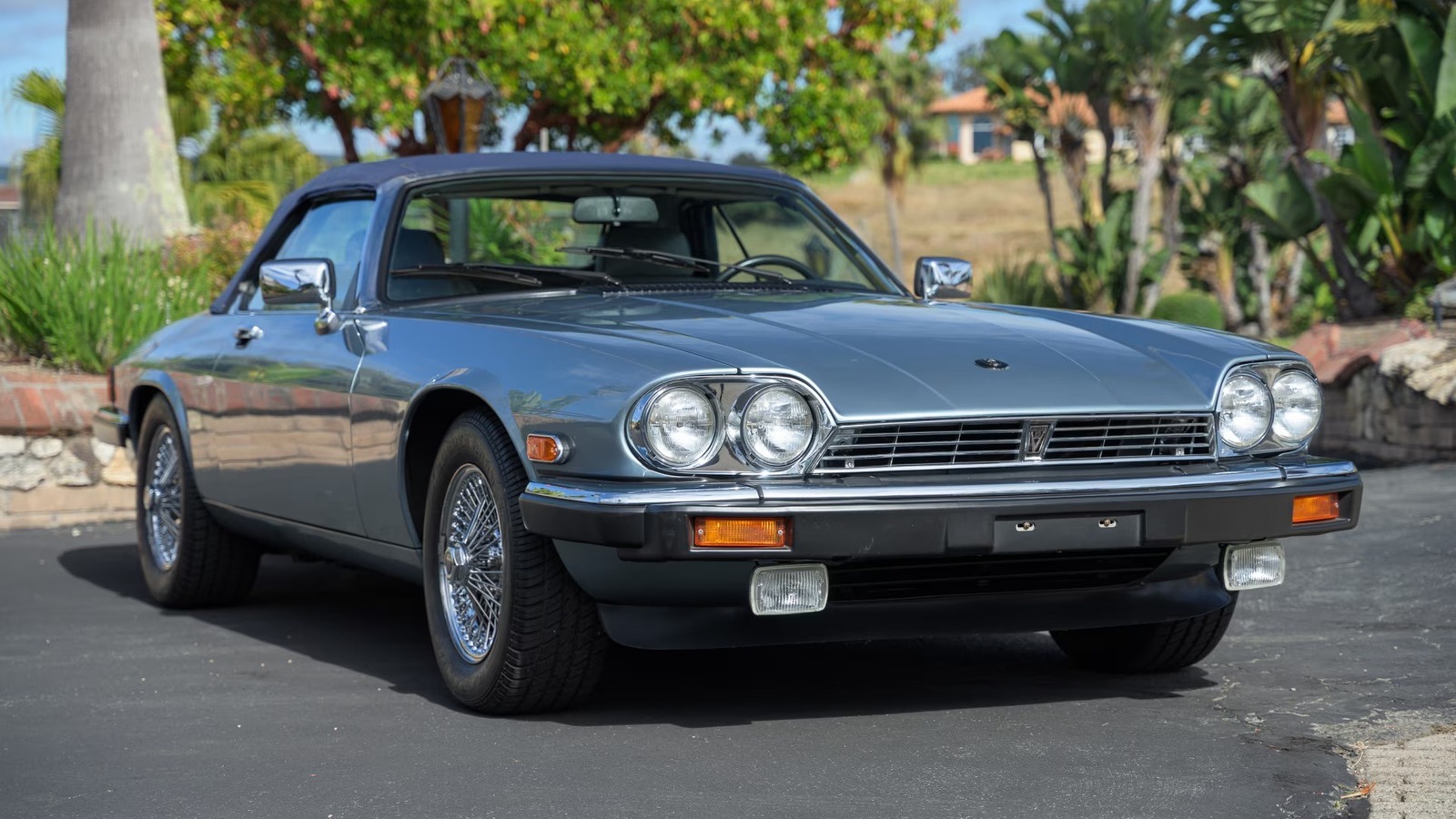
Monterey Car Week 2026 delivered paradoxical results that expose a widening gulf in the collector car market. While total auction sales shattered records at $762 million and average hammer prices climbed to nearly $900,000, the budget segment simultaneously collapsed to historic lows. Vehicles priced under $10,000 fetched prices lower than any previous year at the prestigious event.
The data reveals a bifurcated market. Ultra-premium classics and rare exotics commanded extraordinary sums, pulling the overall average skyward. Meanwhile, affordable classics and common collectibles faced brutal headwinds. Auction houses reported that sub-$10,000 lots moved quickly but at steep discounts to presale estimates. This two-tier dynamic reflects broader shifts in collector priorities and disposable wealth concentration.
Wealthy enthusiasts continue deploying capital aggressively on blue-chip collectibles. Investment-grade Ferraris, Porsches, and homologation specials attracted serious bidding. But entry-level classics, restored daily drivers, and quirky Japanese imports struggled. Sellers discovered that nostalgia and accessibility don't guarantee strong prices anymore. The market rewards rarity, provenance, and investment narrative above all else.
Monterey's 2026 results underscore that collector car enthusiasm now splits along economic lines. The ultra-wealthy bid confidently on six-figure consignments. Middle-market buyers, meanwhile, face diminishing opportunities to acquire meaningful classics at reasonable prices. Even modest restoration projects and vintage American muscle cars underperformed expectations.
Economic conditions shaped outcomes significantly. Interest rates remained elevated, reducing financing availability for entry-level purchases. Meanwhile, wealthy buyers accessed capital readily. This asymmetry pushed six-figure cars higher while crushing demand below $20,000. Sellers of humble classics found themselves competing in a buyers' market after years of inflation-driven appreciation.
The record aggregate and average mask a troubling reality for grassroots collectors. Auction houses curated stronger lineups than ever, attracting serious money. But accessibility eroded. The cheapest lots sold for cheaper prices because fewer bidders competed for them. Fewer bidders attended. Fewer people attended because ticket prices, travel costs, and overall economic pressure made Monterey less appealing to budget-conscious enthusiasts.
Auction data also reflects shifting demographics. Younger collectors gravitate toward modern sports cars and EVs over vintage iron. Classic car enthusiasm skews older and wealthier. As that demographic ages and consolidates collections, pressure builds on lower-priced inventory. Supply increases, demand stagnates, prices fall.
The implications ripple through the broader collector ecosystem. Independent dealers reported softer sales post-Monterey. Online marketplaces saw increased inventory and lengthening time-on-market for sub-$25,000 cars. Restoration shops faced scheduling gaps as projects slowed. Enthusiasts who hoped to acquire affordable classics faced a counterintuitive outcome: record auction results coincided with their worst buying opportunity in years.
Forward-looking collectors should expect continued stratification. Premium marques and rare examples will attract institutional money and wealthy bidders. Everything else competes in an oversupplied, price-depressed market. Timing matters enormously now. Patience and deal-hunting skills separate successful acquisitions from frustration. The collector car market no longer rises all boats. Some float higher than ever. Others sink quietly beneath the surface.