# FAA Fires Two LaGuardia Controllers Over Early Departure Before Fatal Crash
The Federal Aviation Administration terminated two air traffic controllers at LaGuardia Airport after they left their posts early on the day of a fatal collision involving a regional aircraft. The incident exposes systemic staffing pressures that have pushed controllers to work beyond safe limits, forcing supervisors to grant unauthorized breaks as informal compensation for exhaustion.
Veteran controllers confirmed that supervisors regularly permit fatigued staff to depart before their shifts end. This practice operates as an unofficial safety valve in an understaffed system where controllers routinely work mandatory overtime. The early departures create gaps in tower coverage, raising alarms about whether adequate supervision existed when the fatal crash occurred.
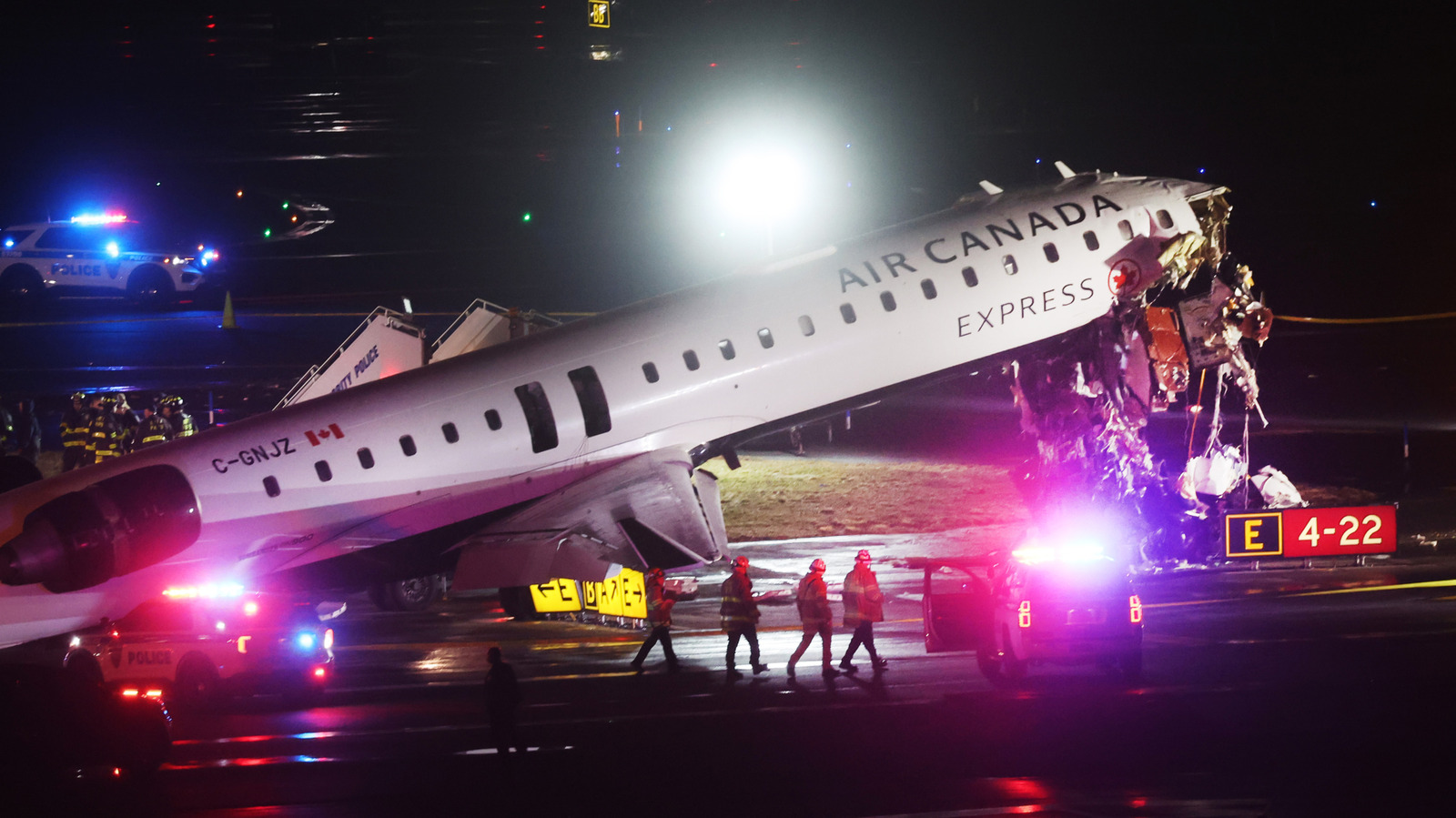
The collision involved a regional jet and ground vehicle at LaGuardia, one of America's busiest and most congested airports. Investigators have not confirmed whether inadequate tower staffing directly contributed to the accident, but the circumstances amplify long-standing concerns about air traffic control capacity at major hubs.
The FAA's decision to fire the controllers signals accountability for policy violations, yet it sidesteps the underlying staffing crisis. Controllers nationwide report fatigue from excessive overtime, particularly at tier-one airports. The agency has struggled to recruit and retain qualified personnel, a shortfall that makes experienced controllers both essential and exhausted.
New York approach control and LaGuardia tower handle roughly 1,300 operations daily. Controllers manage landing sequences, ground movements, and separation requirements under intense pressure. Chronic understaffing means controllers often work 10-hour shifts, skip breaks, and cover positions during absences. Supervisors grant early releases not out of generosity but necessity, allowing controllers a brief recovery before returning to depleted schedules.
The FAA has acknowledged staffing shortages but resists major hiring campaigns, citing budget constraints and recruitment timelines. Training a controller takes three to four years. The agency lost experienced personnel during the pandemic and has not fully recovered.
Removing two controllers from LaGuardia reduces already-thin staffing. The terminations may temporarily satisfy calls for accountability, but they do not address why supervisors felt compelled to permit early departures or why controllers worked shifts intense enough to demand informal relief.
Industry observers and controller unions argue the real failure lies with agency leadership. Adequate staffing, manageable shift lengths, and proper rest would eliminate the pressure that forces supervisors to bend rules. The fatal crash at LaGuardia serves as a stark reminder that safety depends on systems, not individual blame.
The incident will likely intensify congressional scrutiny of FAA staffing levels and push regulators to examine whether current practices at major airports meet safety standards. Controllers and safety advocates say the question is not whether two people should lose their jobs, but whether the FAA will finally invest in the workforce needed to operate the world's busiest airspace safely.