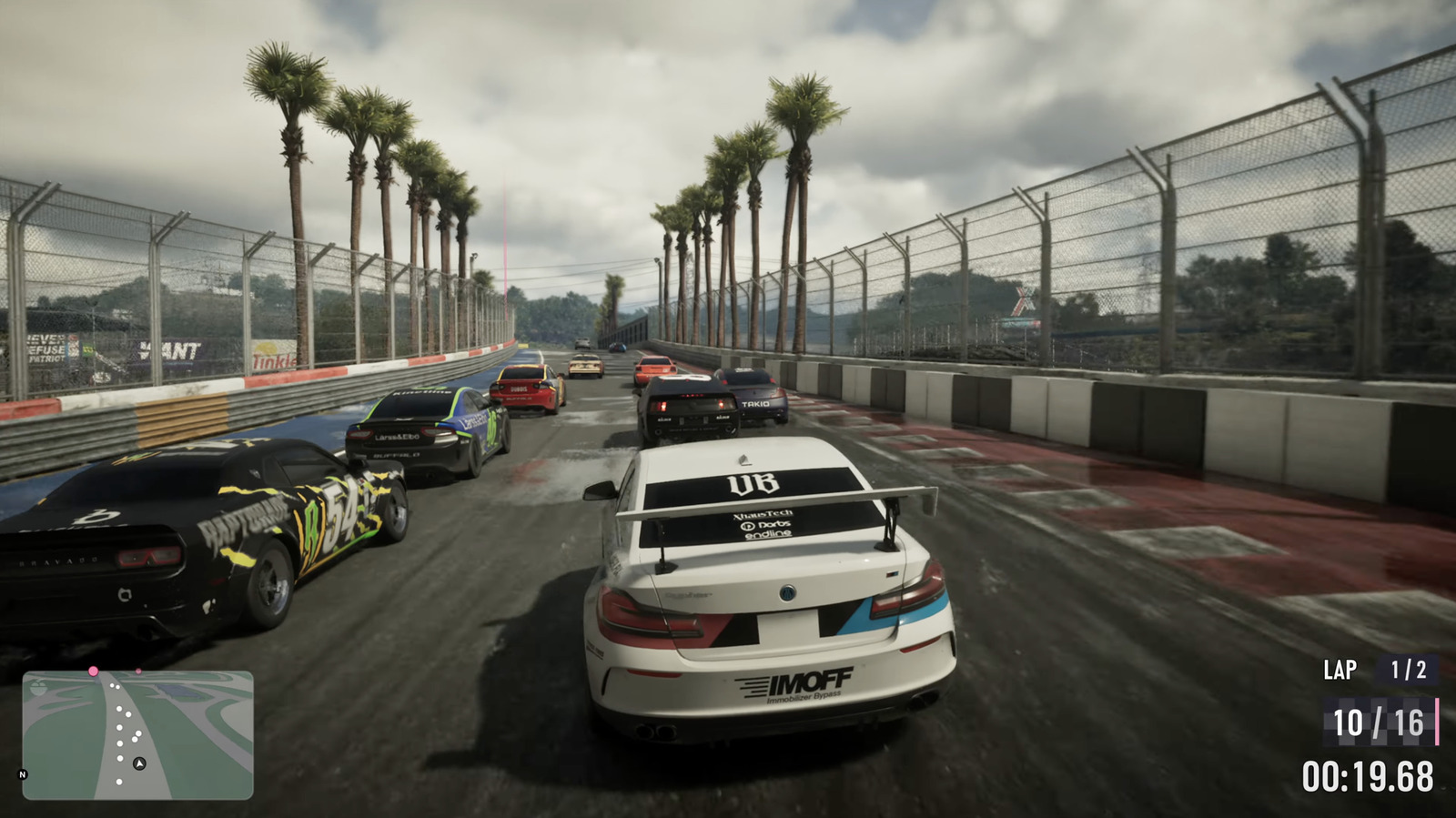
Grand Theft Auto VI's racing presence expands significantly based on a new 27-minute gameplay trailer that reveals track racing as a core feature alongside the franchise's traditional open-world mayhem. Rockstar Games has woven competitive motorsport into Vice City's activity roster in ways that position racing as more than a side distraction.
The extended trailer confirms GTA VI includes a dedicated race track environment. This moves beyond the street racing and impromptu vehicle chases that characterized previous entries. A proper circuit setting means players can engage in structured racing events with defined courses, lap timing, and competitive progression. The inclusion suggests Rockstar recognizes player demand for racing mechanics that feel purposeful rather than incidental to the larger criminal enterprise narrative.
Car culture permeates the new footage. Vehicle customization, performance tuning, and collection mechanics receive visible screen time. Players can expect to acquire, modify, and race distinct automobiles with varying handling characteristics and performance attributes. The attention to automotive detail reflects how central vehicles remain to the GTA experience, whether players prioritize racing pursuits or use cars as tools for story missions and heists.
The racing expansion fits an industry pattern where open-world games increasingly compartmentalize gameplay activities into specialized zones and mechanics. Games like Forza Horizon and even Red Dead Redemption 2 proved that enthusiast-level racing content attracts dedicated players willing to invest time in vehicle-focused pursuits outside the main narrative. GTA VI's approach follows this successful formula while maintaining the franchise's irreverent tone and urban setting.
Vice City's setting also factors into racing prominence. The fictional Miami-inspired locale naturally accommodates a motorsport culture tied to wealth, criminality, and status. Racing fits the city's aesthetic and criminal underworld in ways that feel organic rather than bolted-on. Players advancing through the game's crime progression can plausibly move into racing enterprises as revenue streams and competitive pursuits.
The technical achievement matters too. A 27-minute showcase means Rockstar invested substantial resources demonstrating racing fidelity and variety. Vehicle physics, track design, weather effects on grip and handling, and driver AI all require significant development effort. Rockstar's commitment to showing extended racing footage signals confidence in these systems.
Competitive racing also opens monetization pathways for ongoing content. Racing tournaments, seasonal events, car unlocks, and cosmetic upgrades create hooks for extended player engagement. Grand Theft Auto Online established that persistent multiplayer racing generates sustained interest and revenue. GTA VI's racing foundation likely supports expanded online offerings at launch or through post-release updates.
The gameplay trailer's focus on racing represents a departure from earlier GTA marketing emphasis on story, heist mechanics, and open-world chaos. Racing moved from background activity to featured attraction. Players who dismissed GTA titles as insufficient racing games now encounter evidence that Rockstar took the driving experience seriously. Whether this satisfies hardcore racing game fans accustomed to dedicated sim or arcade racers remains uncertain, but the expanded presence removes racing as an afterthought excuse.
GTA VI launches in Fall 2025, giving Rockstar additional time for racing feature polish before release. The extended trailer signals that Vice City's racing scene ranks among the game's pillars rather than optional content.