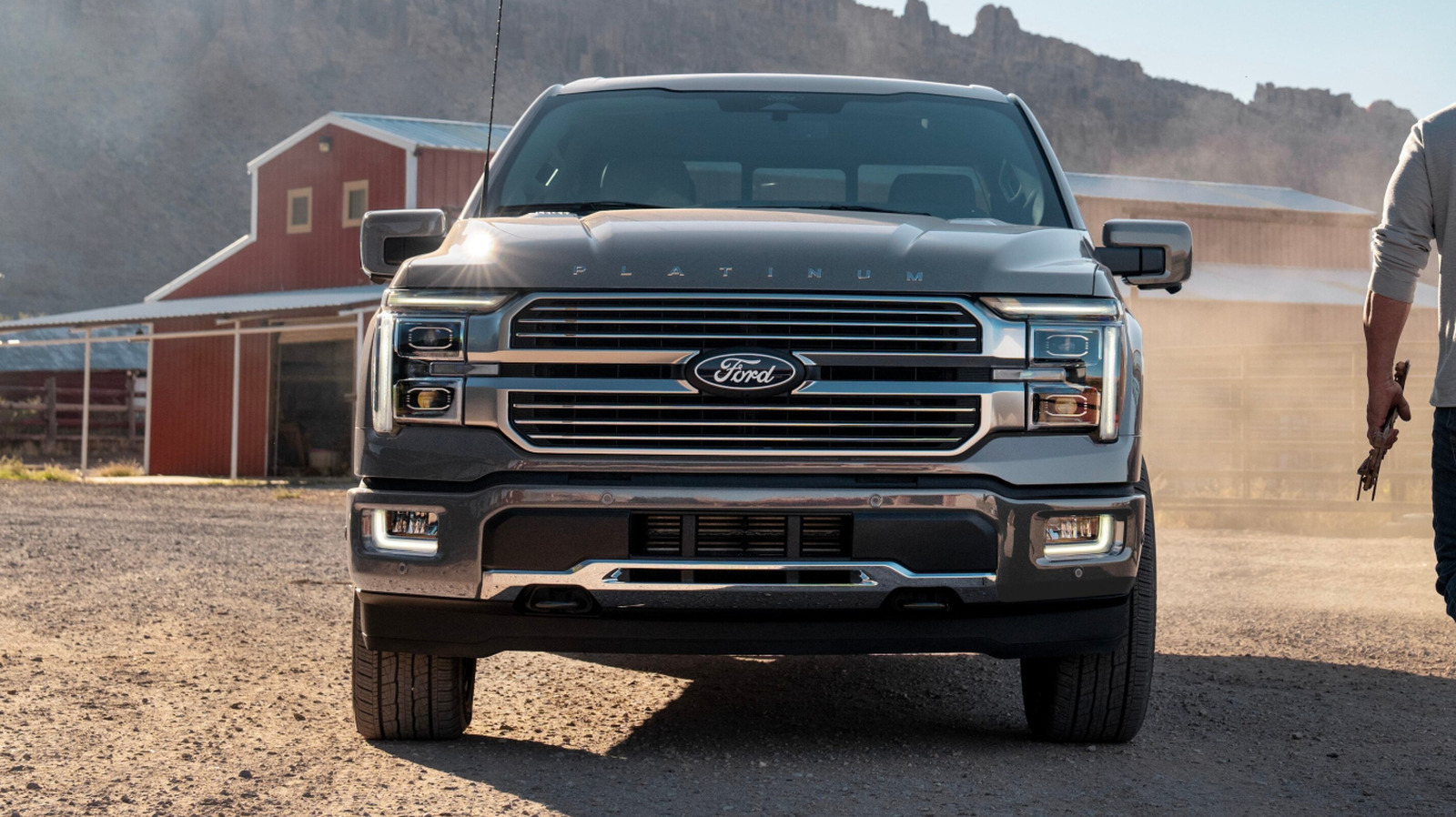
Ford F-150 prices have climbed substantially over the past six years, reflecting broader inflationary pressures and shifting market dynamics in the truck segment. A direct comparison between 2020 and 2026 model year pricing reveals the scale of the increase consumers face when shopping for America's best-selling truck.
In 2020, a base Ford F-150 Regular Cab with a 5.0-liter V8 engine started around $28,500. That same configuration in 2026 commands approximately $37,000, representing a jump of roughly 30 percent. Mid-range models, such as the SuperCrew with a 2.7-liter EcoBoost engine, saw comparable increases. A 2020 model listed at $32,000 now prices in at around $42,500 for the equivalent 2026 variant.
The increases reflect multiple cost pressures reshaping the automotive industry. Supply chain disruptions that plagued manufacturing from 2021 through 2023 initially drove prices upward as inventory tightened. That pressure eased partially in 2024 and 2025, but Ford held pricing firm rather than cutting MSRP. Labor costs, particularly following the 2023 UAW contract negotiations that granted significant wage increases to union workers, directly inflated manufacturing expenses. Ford's Dearborn truck plant, which builds F-150s, passed those costs to consumers.
Materials costs also remain elevated. Steel and aluminum prices fluctuate, but they have not returned to pre-pandemic levels. Battery components for the F-150 Lightning, Ford's electric variant, carry premium pricing that influences the entire F-150 lineup strategy.
Ford has also shifted the product mix aggressively toward higher-trim, better-optioned vehicles. The company discourages buyers from selecting base Regular Cab configurations by limiting inventory and marketing spend on entry-level models. Instead, Ford concentrates production on SuperCrew cabs and premium trims with higher gross margins. A customer shopping in 2026 typically lands on a vehicle commanding $48,000 to $65,000, well above the base MSRP.
Technology additions drive some legitimate price increases. Newer F-150 models include digital instrument clusters, advanced driver assistance systems, improved infotainment, and over-the-air update capability. The 2026 F-150 also offers more powertrain options, including the new 3.0-liter Power Stroke diesel and updated hybrid technology. These upgrades cost money to engineer and integrate.
Competitors face similar pressures. General Motors raised Chevrolet Silverado and GMC Sierra pricing in parallel fashion. Ram trucks show equivalent or steeper increases. The market supports these prices because truck demand remains robust. Contractors, fleet operators, and retail customers need trucks for work and lifestyle use, creating inelastic demand that permits manufacturers to maintain higher pricing.
For buyers seeking value, used F-150s from 2020 to 2022 remain popular alternatives despite rising used prices. A 2020 F-150 with 80,000 miles typically sells for $28,000 to $32,000 in today's market, undercutting new models while providing proven reliability. Fleet vehicles, which often get replaced on regular cycles, provide the best inventory of well-maintained examples.
The 30 percent price increase over six years significantly outpaces general inflation, which averaged roughly 5 to 6 percent annually. Truck buyers face steeper real price increases than inflation alone explains, a trend likely to continue as manufacturers invest in electric and hybrid platforms.