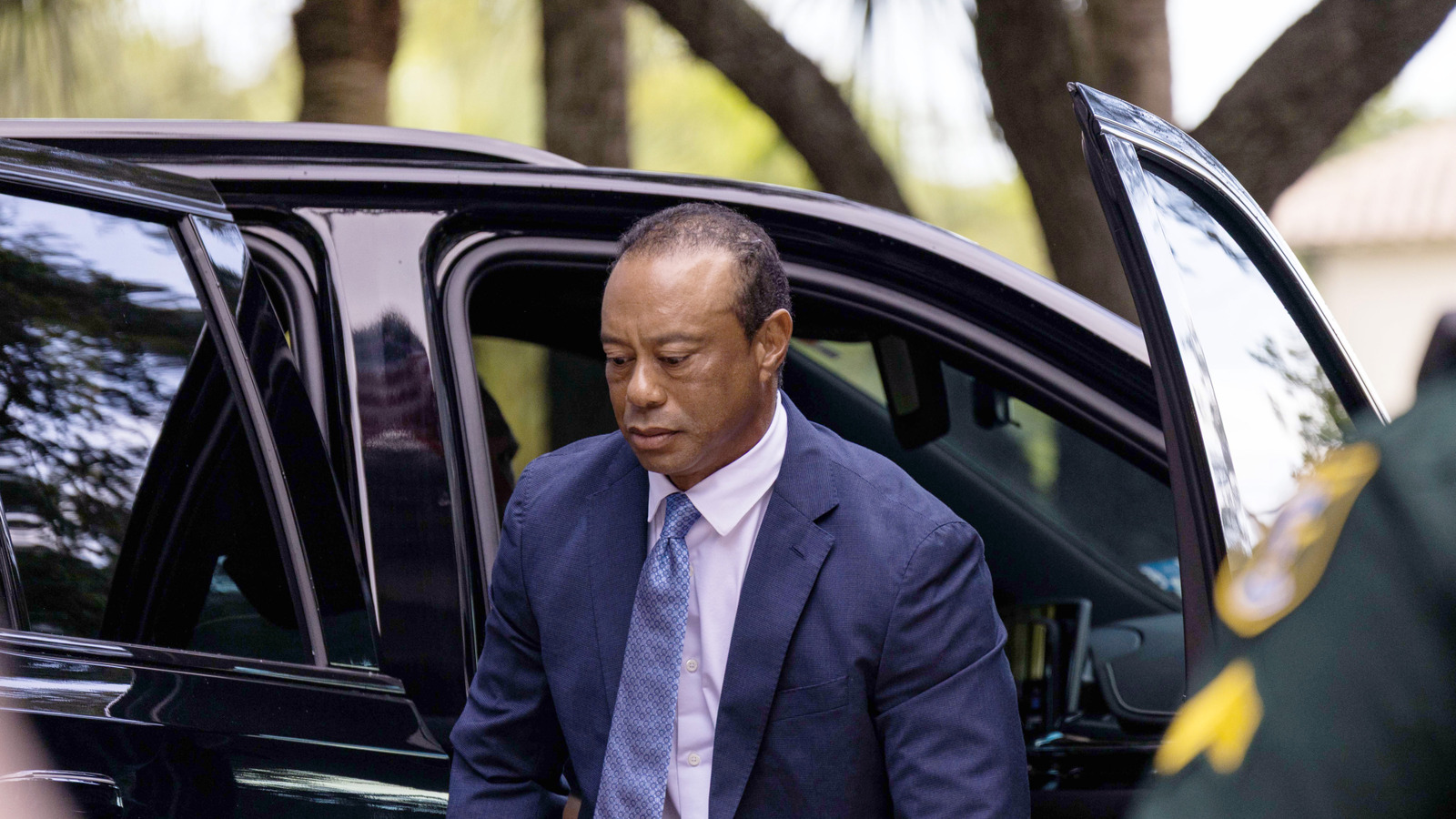
Tiger Woods accepted a plea deal following his February 2021 single-vehicle crash in Los Angeles that resulted in a five-year driver's license suspension. Woods pleaded no contest to reckless driving and refusal to submit to a lawful chemical test, avoiding a DUI conviction while accepting legal consequences.
The crash occurred near Rolling Hills Estates, California, when Woods' 2021 Genesis GV80 struck a median and rolled over. First responders extricated Woods from the vehicle. He suffered serious injuries including a shattered right leg, a fractured ankle, and multiple lacerations. The incident ended his professional golf career in active play for an extended period.
A no-contest plea differs legally from a guilty plea. Woods neither admits nor denies wrongdoing, yet accepts punishment as if convicted. This distinction matters for civil liability and public perception. The reckless driving charge carries less social stigma than a DUI conviction, though both carry license suspension and fines.
The five-year suspension means Woods cannot legally drive in California through 2026. He can petition for a restricted license allowing driving to work or medical appointments, a common alternative for suspended drivers. The suspension also includes alcohol education program requirements and financial penalties typical for reckless driving convictions.
Genesis, the luxury brand owned by Hyundai, faced scrutiny following the crash. Investigators found the Genesis GV80 had been traveling at roughly 82 mph in a 45 mph zone when it struck the median. No evidence of mechanical failure emerged. The SUV's safety systems protected Woods during the collision, likely preventing fatal injuries given the severity of impact.
The case gained outsized media attention due to Woods' celebrity status and stature in professional golf. Initial speculation centered on possible impairment, though toxicology reports later revealed no alcohol or illegal drugs in his system. Medications for pain management post-surgery became a focal point of investigation.
This resolution closes a chapter on one of golf's most dramatic storylines. Woods' physical recovery proved lengthy. His return to competitive golf came years after the crash, marking one of sport's most remarkable comebacks. He competed in the 2022 Masters Tournament despite ongoing physical limitations from the crash injuries.
The license suspension reflects California's strict approach to reckless driving. The state takes dangerous driving seriously, particularly when drivers operate vehicles at speeds nearly double the posted limit. The refusal to submit to chemical testing carried separate legal weight, resulting in an enhanced penalty structure.
Woods' case exemplifies how high-profile athletes face legal consequences identical to ordinary citizens. Courts apply statutes uniformly regardless of celebrity status. The outcome demonstrates California's commitment to traffic safety enforcement across all demographic groups.
The five-year suspension represents a significant interruption to daily life for anyone dependent on driving. For Woods, whose professional responsibilities require travel and public appearances, the restriction necessitated lifestyle adjustments and reliance on alternative transportation.