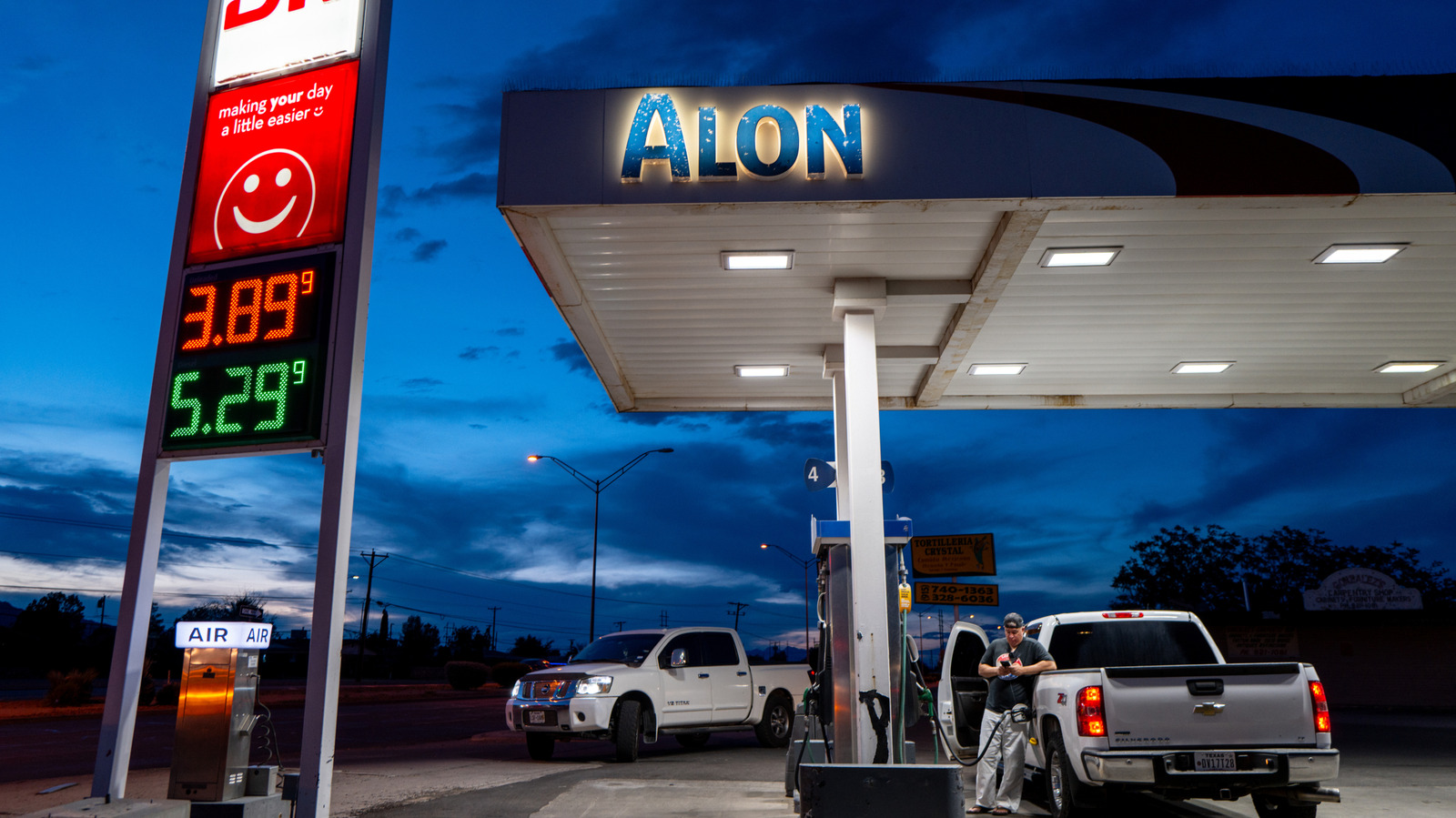
# Diesel Prices Surge Past 10 Cents Overnight, Threatening All-Time High
Diesel fuel prices jumped 10 cents overnight, pushing the commodity closer to an all-time record that could fall within days. The sharp spike reflects tightening supply dynamics and refinery constraints that have squeezed availability across North America.
The timing hits hardest for owners of diesel-powered pickup trucks, commercial fleets, and heavy-duty vehicles. Diesel demand remains stubbornly high among truck owners in rural and suburban markets, where full-size diesel pickups dominate. Trucks like the Ford F-250 and F-350 Super Duty with the 6.7-liter Power Stroke diesel, the Chevrolet Silverado 2500 and 3500 HD with the Duramax engine, and the Ram 2500 and 3500 with Cummins turbodiesel power form the backbone of American fleet operations and construction work.
This price environment creates real pain for owner-operators and small fleet managers who depend on fuel-efficient diesels to manage operating costs. A 10-cent jump translates directly to hundreds or thousands of dollars in additional monthly expenses for businesses running five, ten, or twenty trucks. Margins compress. Routes become unprofitable. Rates need adjustment, which forces difficult conversations with customers already squeezed by inflation.
Refinery throughput has tightened considerably. Several major refineries have reduced capacity for scheduled maintenance or shifted production toward more profitable gasoline and jet fuel blends. Diesel production requires specific hydrocracking capacity, and not all refineries run the same configuration. When key facilities go offline, diesel supply tightens faster than gasoline supply.
Global factors compound domestic pressures. Russian diesel export restrictions and European demand for heating fuel heading into winter support higher prices on the world market. American refiners operate within that pricing structure, so imported competitive pressures lift domestic prices even when domestic demand stays flat.
All-time diesel records date back to 2008, when prices exceeded $5 per gallon during the commodity boom and financial crisis. Breaking that record would represent a stunning milestone and trigger genuine economic consequences across transportation, construction, and agriculture. Fuel represents 20 to 40 percent of operating costs for many commercial fleet operators, so price records don't just create sticker shock at the pump. They reshape business economics across entire industries.
Diesel owners face a grim calculus. Waiting for prices to fall becomes increasingly expensive. Some operators accelerate fleet replacements toward gasoline alternatives or electric vehicles, though diesel's superior torque and range still make it the default for heavy-duty work. Others simply absorb costs and pass them along where possible.
The next few days will test whether record territory actually materializes. Weather patterns, unexpected refinery outages, or sudden shifts in global crude prices could accelerate or brake the rally. For now, diesel pumps around the country are flashing numbers that hurt.