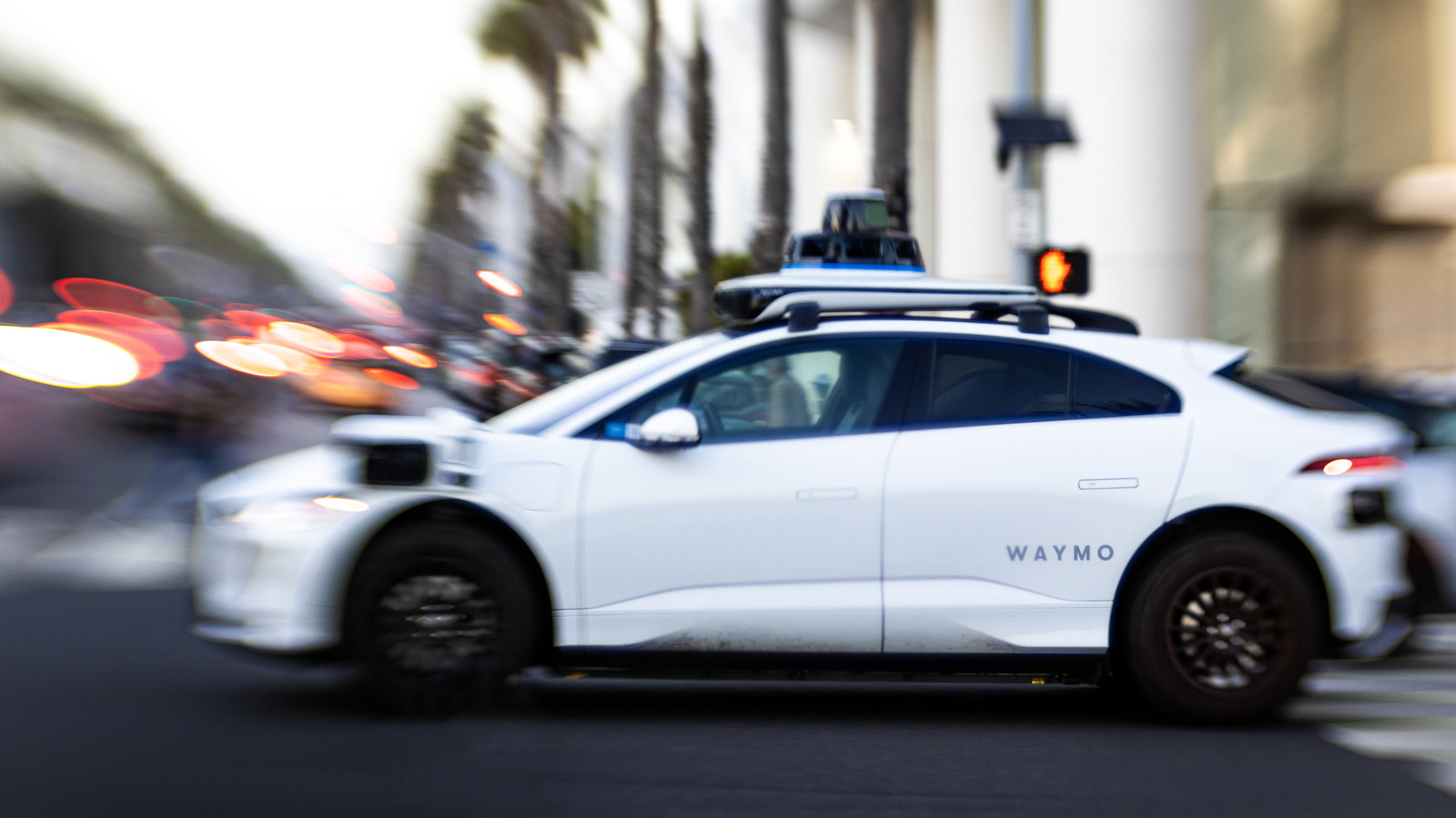
Waymo's driverless robotaxi fleet faces a grimy reality that venture capitalists rarely discuss: human bodily waste. Fleet handlers employed by Waymo routinely encounter vomit, urine, and feces inside vehicles that passengers have used without a human driver present to maintain order or deter misconduct.
The absence of a steering wheel operator fundamentally changes passenger behavior. With no physical authority figure watching, some riders treat the autonomous vehicles like disposable spaces. They urinate on seats. They defecate on floors. They vomit without regard for cleanup costs or the next passenger's experience. Waymo's fleet maintenance staff absorbs the consequences.
This problem reflects a deeper challenge autonomous vehicle operators face: maintaining vehicle hygiene and passenger accountability when nobody sits in front. Traditional ride-share services like Uber and Lyft mitigate these issues through driver presence alone. A driver's watchful eye and immediate reaction discourage the worst behavior. Drivers also control music volume, temperature, route quality, and general ambiance. They enforce social contracts through their presence.
Waymo employs fleet handlers specifically to manage vehicles between rides. These workers clean interiors, check mechanical systems, and prepare cars for the next passenger. Bodily waste removal now represents a substantial portion of their duties. The job description never mentioned hazmat cleanup, but the reality demands it.
The company's response focuses on deterrence through technology. Waymo equips vehicles with interior cameras and audio warnings. The system alerts bad actors that they're being recorded and warns that misconduct may result in account suspension or legal liability. Some passengers ignore these warnings anyway.
Payment accountability structures matter too. Passengers who damage vehicles or leave biohazards face charges through their Waymo accounts. Documentation and photographic evidence of incidents support damage claims. Yet financial penalties don't prevent the incidents themselves. They arrive after the mess exists.
Waymo operates primarily in Phoenix, San Francisco, and Los Angeles. These dense urban environments attract diverse ridership with varying behavioral norms and impulse control. Late-night rides present particular challenges. Intoxicated passengers or those experiencing mental health crises create unpredictable situations. Without a trained driver present, de-escalation falls to remote monitoring systems and fleet staff cleaning afterward.
The autonomous vehicle industry projected efficiency gains and cost savings. Remove the driver, reduce labor expenses, automate the entire experience. Reality proves messier. Waymo's fleet handlers represent a hidden labor cost that financial models underestimated. These workers require hazmat training, proper equipment, and reasonable compensation for work that traditional drivers never imagined.
Other autonomous vehicle operators face identical challenges. Cruise, formerly a General Motors subsidiary, also operates driverless taxis in San Francisco and encountered similar sanitation problems before pausing operations in late 2023. The problem scales with fleet size and ridership volume.
This sanitation crisis highlights why full autonomous vehicle adoption will take longer than early advocates predicted. The technology works for point-to-point transportation. Passenger behavior and fleet maintenance remain unsolved problems. Waymo's fleet handlers represent the messy human dimension of supposedly fully automated transportation. Until the industry solves passenger accountability and vehicle cleanliness at scale, autonomous ride-share services will depend on workers willing to handle the worst aspects of public transportation.