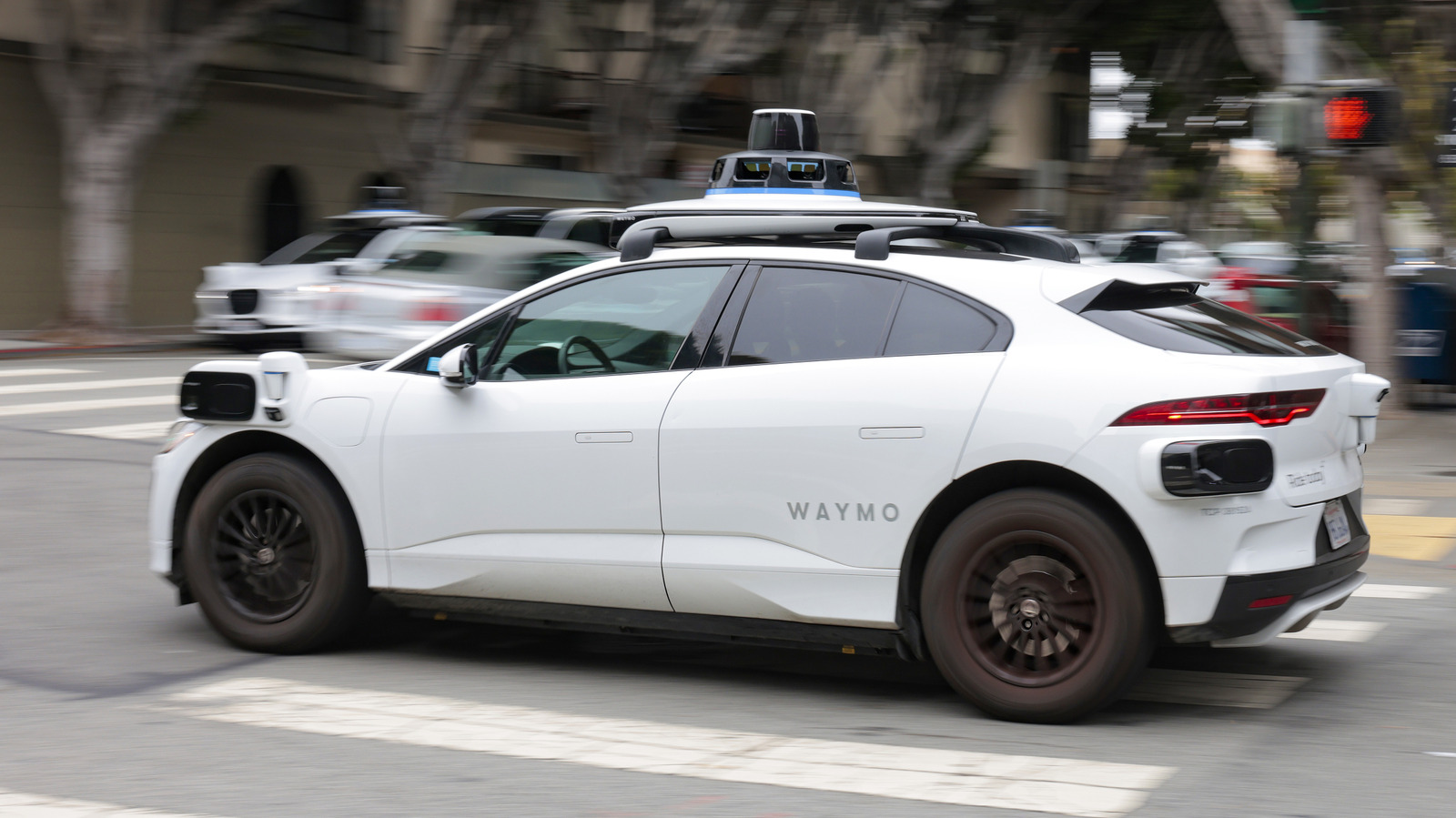
Minneapolis city officials are pushing back against fully autonomous vehicles operating without human supervision. The proposal would require a licensed driver behind the wheel in Waymo robotaxis, directly challenging the autonomous vehicle company's operational model in the city.
The measure reflects a tension gripping American cities as robotaxis expand. Safety ranks as the stated concern, but employment protection for human drivers forms the genuine backbone of the proposal. Minneapolis joins other municipalities wrestling with how to regulate autonomous vehicles without abandoning technological progress entirely.
Waymo has operated driverless robotaxis in San Francisco, Phoenix, and Los Angeles with minimal incidents. The company's safety data supports fully autonomous operation. However, Minneapolis officials see a different priority. The city's taxi and rideshare drivers face income pressure from ride-hailing platforms that already displaced traditional cab operators. Adding true driverless robotaxis without guardrails would eliminate thousands of local jobs.
This represents a classic regulatory standoff. Waymo argues that human oversight creates unnecessary costs and undermines the efficiency gains that make autonomous vehicles economically viable. A required driver essentially turns a robotaxi into an expensive supervised vehicle, eating into profit margins and forcing fare increases. The company's business model depends on removing labor costs.
Minneapolis leadership counters that widespread job displacement demands protective measures. Taxi medallion holders and independent drivers already operate on thin margins. A sudden influx of truly driverless vehicles could accelerate an industry collapse that communities have already absorbed from Uber and Lyft.
Other cities have pursued similar restrictions. San Francisco initially limited autonomous vehicle fleet sizes and geographic zones. New York implemented caps on robotaxi licenses. These measures buy time for workforce transition and allow officials to study real-world impacts before full deployment.
The Minneapolis proposal, if passed, would effectively chill Waymo's expansion plans in the city. The company might choose to operate under the human-driver requirement, sacrifice Minnesota's market entirely, or challenge the ordinance legally. Waymo has considerable legal resources and could argue that local regulations conflict with emerging federal autonomous vehicle standards.
This regulatory clash reveals a blind spot in the autonomy revolution. Tech companies optimize for technology and economics. Policymakers must also optimize for employment and community stability. Those goals often contradict.
The outcome in Minneapolis matters beyond one city. Successful labor-protective ordinances could inspire similar restrictions nationwide, fragmenting Waymo's operating environment and complicating its path to profitability. Alternatively, if Minneapolis prohibits driverless operation outright, the precedent signals that job protection trumps innovation in certain markets.
Waymo has navigated regulatory obstacles before. The company remains confident in its safety record and the inevitability of autonomous vehicles. But Minneapolis illustrates a growing political reality: cities will not simply accept robot taxis as inevitable. Communities expect a seat at the table when technology threatens livelihoods.
The decision lands soon. Minneapolis officials must weigh economic disruption, technological progress, and legitimate safety questions. No choice satisfies everyone.