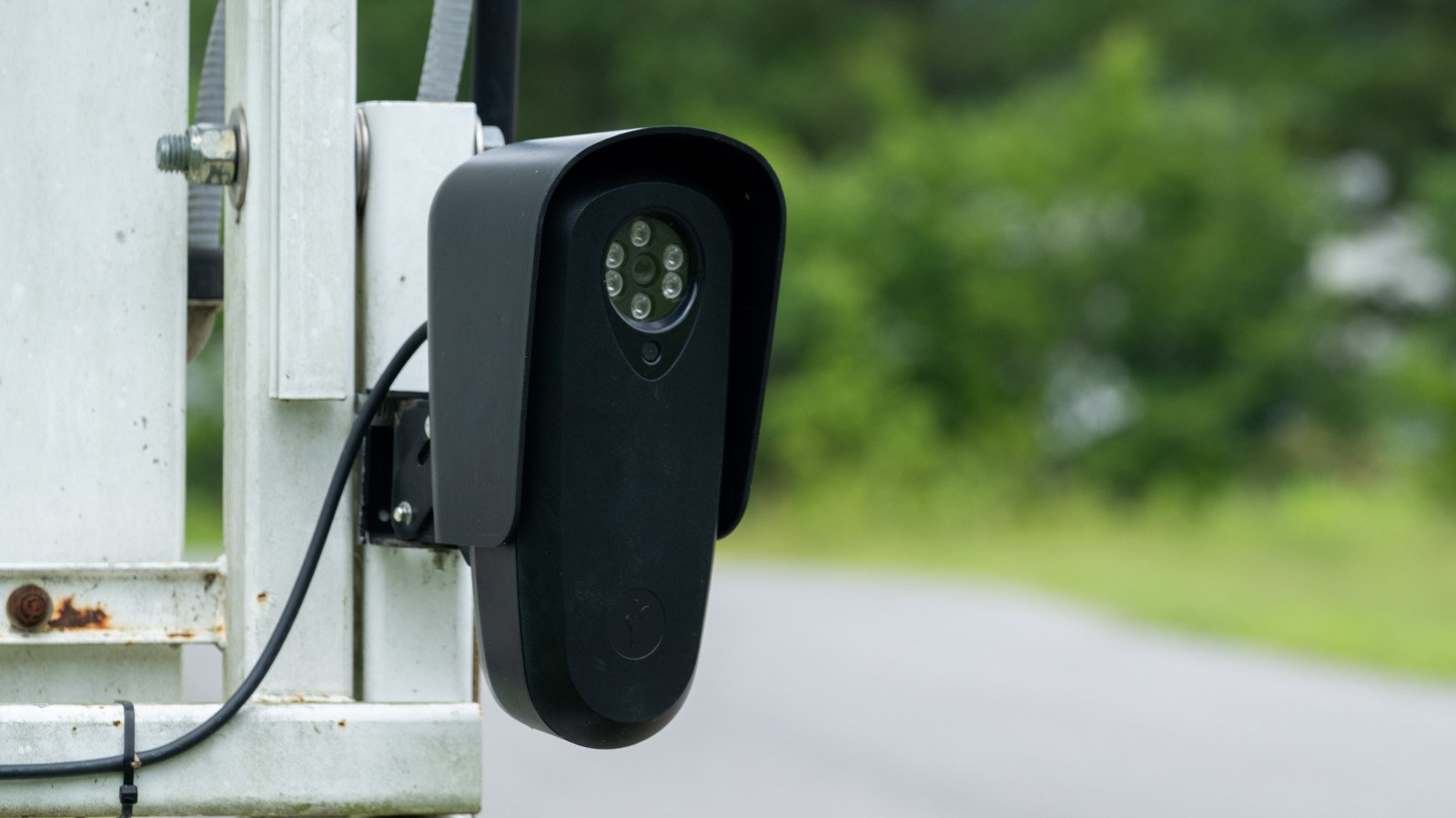
A Florida police department deployed 3D-printed decoy Flock Safety cameras to deter vehicle-related crime in their jurisdiction. The department installed the fake cameras alongside operational ones, betting that criminals would see them and assume comprehensive surveillance coverage existed throughout their patrol areas.
The strategy worked. Crime dropped in locations where the decoys were positioned, even though the fake units captured no data whatsoever. The department essentially used the psychological deterrent of perceived surveillance to reduce vehicle theft, break-ins, and related offenses without actually recording anything.
This approach reveals a growing tension in law enforcement strategy. Flock Safety cameras, which photograph license plates and store data for investigative purposes, have become standard equipment for police departments nationwide. Real Flock cameras cost thousands of dollars per unit. The decoys cost significantly less, could be manufactured using 3D printing technology, and required no data infrastructure or privacy-related oversight.
The decoy tactic sits in murky legal and ethical territory. Police departments traditionally operate under public transparency principles. Citizens generally accept that cameras protect neighborhoods by recording and storing evidence. But cameras that look real but do nothing blur accountability lines. Defendants facing charges might assume video evidence exists when it does not. Communities believing they are under 24-hour surveillance experience real behavioral changes regardless of whether actual recording occurs.
Flock Safety cameras themselves generate ongoing privacy debates. License plate reader technology raises concerns about constant tracking and data retention policies. Some cities have moved to restrict or reject Flock deployments. The company works with over 1,200 police agencies across North America and processes billions of license plate images annually.
The Florida department's decoy strategy offers a cheaper alternative to traditional cameras while capitalizing on the deterrent effect of visible surveillance hardware. If criminals believe they are being watched, they make different decisions about where to commit crimes. This principle explains why visible security signage deters some offenders even when cameras do not actually exist.
However, the strategy creates complications. If decoys reduce crime in some neighborhoods while real cameras focus on others, resource allocation becomes inequitable. Wealthier areas might receive actual surveillance while lower-income neighborhoods get fake hardware. Courts could challenge the use of decoys during prosecution if defendants claim they were misled about evidence documentation.
The approach also depends on public trust and honesty. If residents learn their neighborhood received decoy cameras rather than real ones, confidence in police operations deteriorates. Transparency about surveillance infrastructure matters for community policing.
Departments face budget pressures that make cost-cutting appealing. A 3D-printed camera costs pennies compared to real equipment. But cutting corners on something as fundamental as evidence collection raises questions about priorities and accountability.
The decoy camera deployment reflects how law enforcement explores unconventional solutions when funding runs short. Whether this approach expands depends on legal challenges and public acceptance.