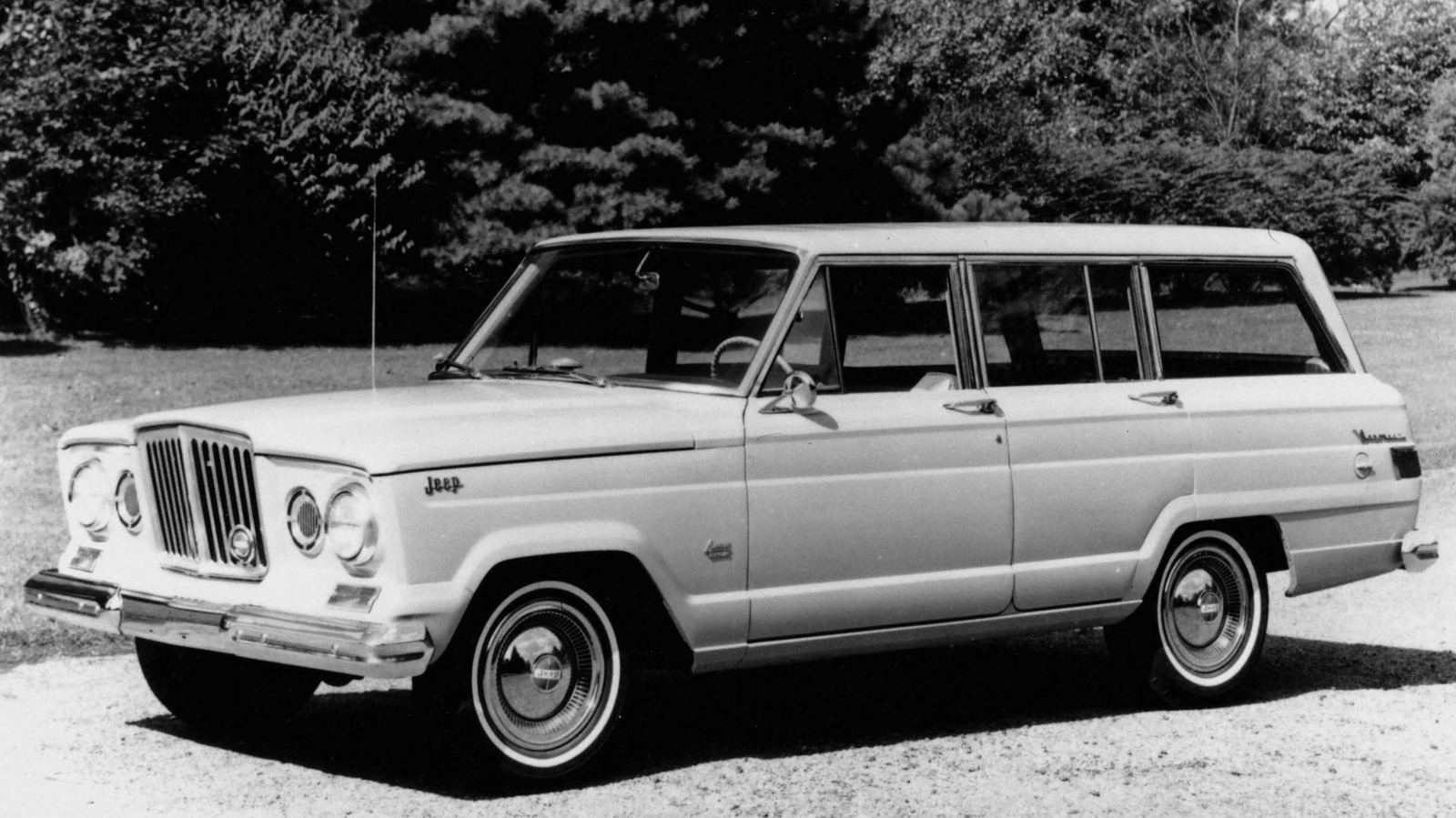
Jeep's Wagoneer nameplate carries weight in automotive history. The original 1963 model pioneered the luxury SUV segment years before Range Rover arrived in 1970 or Chevrolet built the Suburban into a status symbol. Now, Jeep has revived the full-size Wagoneer for 2024 and beyond, creating a direct pricing comparison that reveals how the automotive market has transformed over six decades.
The 1963 Wagoneer started at approximately $2,400. Adjust that for inflation using the Consumer Price Index, and it equals roughly $23,000 in 2024 dollars. The vehicle was genuinely premium for its time, loaded with comfort features like air conditioning, power steering, and genuine wood paneling that became its signature styling cue. Buyers seeking capability with creature comforts found few alternatives. The Wagoneer offered SUV practicality wrapped in station wagon comfort, a hybrid concept that resonated with affluent Americans navigating the 1960s.
The 2026 Jeep Wagoneer pricing structure tells a different story. Base models start around $63,000, with loaded examples easily exceeding $80,000. High-end variants with premium packages and extended powertrains push toward six figures. This represents a 2.7x to 4.4x premium over the inflation-adjusted 1963 price, depending on configuration.
Several factors explain this delta. Modern Wagoneers carry substantially more technology. The new generation includes advanced driver assistance systems, over-the-air software updates, panoramic sunroofs, and touchscreen infotainment systems that cost manufacturers millions to develop. Regulatory compliance for emissions, safety, and crashworthiness requirements adds thousands per vehicle. Battery thermal management, airbag systems, and structural engineering for modern crash standards did not exist in 1963.
Labor costs have escalated dramatically. The 1963 Wagoneer rolled off assembly lines in an era of lower wages and minimal environmental regulation. Today's production requires skilled technicians, battery assembly specialists, and quality control testing that rivals aerospace manufacturing. Supply chain complexity increased exponentially. The original Wagoneer used carburetor engines and leaf spring suspensions. Today's Wagoneer depends on globally sourced semiconductors, lithium-ion battery cells, and precision-molded plastic components manufactured across multiple continents.
The luxury market itself has fractured. In 1963, owning a Wagoneer placed you in rarefied air. Today's affluent consumers expect not just capability, but personalization, connectivity, and status signaling through technology rather than wood grain alone. The 2026 Wagoneer competes against Range Rover, Mercedes-AMG G63, BMW X7, and Cadillac Escalade, luxury marques that command premium pricing because their brand equity justifies it.
Supply and demand dynamics shifted as well. The original Wagoneer faced minimal direct competition. Today's three-row luxury SUV segment grows annually, yet production constraints keep inventory tight. Dealers mark up popular configurations. Jeep knows demand exceeds supply at these price points.
The 1963 Wagoneer represented accessible luxury for upper-middle-class buyers. The 2026 version targets the truly wealthy. That generational shift in market positioning, combined with technological advancement and regulatory complexity, explains why a six-decade-old luxury SUV ancestor cost a fraction of what Jeep charges today.