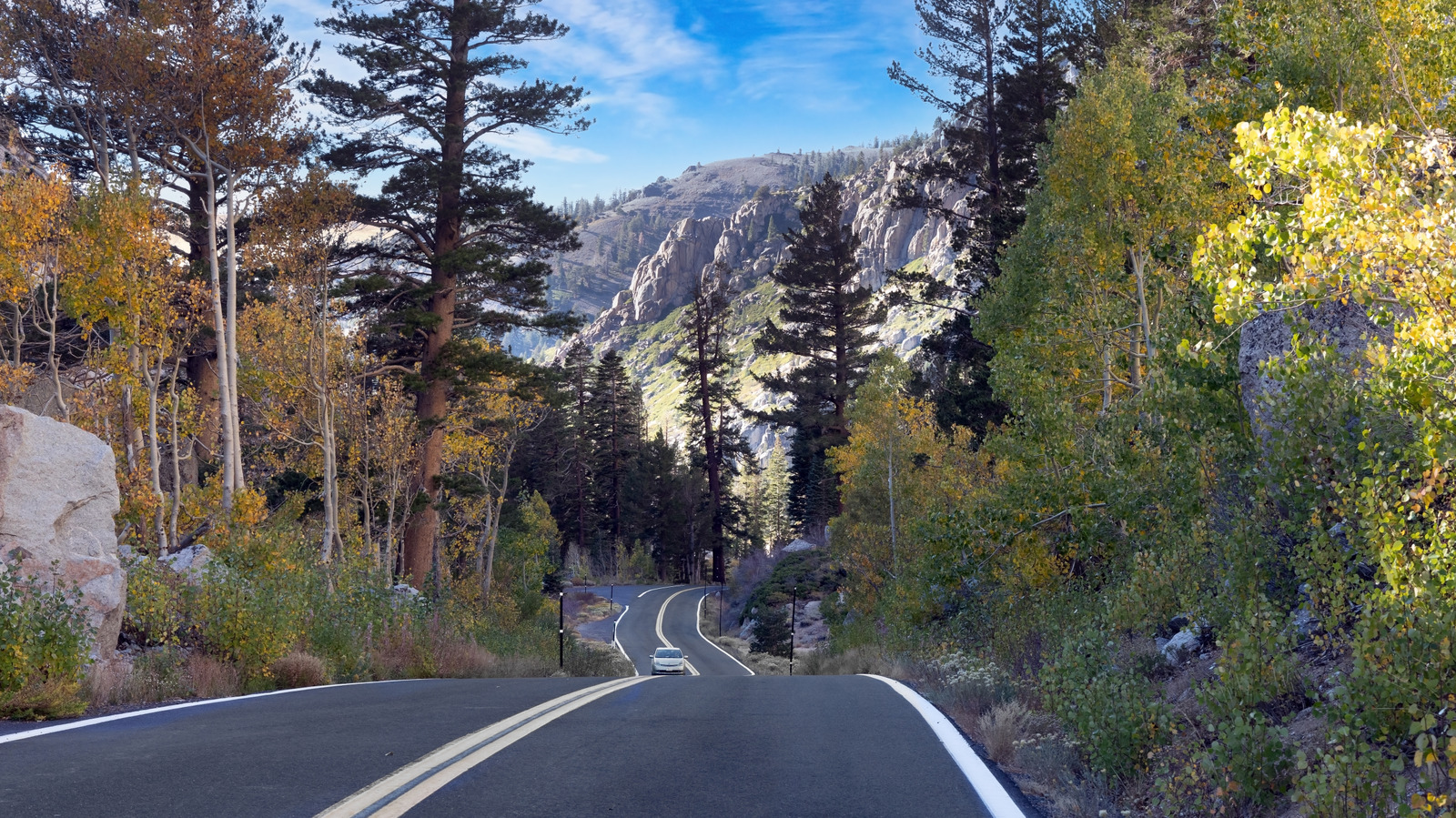
# America's Most Punishing Mountain Pass Tests Vehicle and Driver
A stretch of US highway ranks among the steepest in the nation, demanding respect from drivers and placing extreme stress on vehicle braking systems and engine components.
The road, which Jalopnik identified through its reporting, presents grades so severe that it exposes weaknesses in vehicle maintenance and driver preparation. Steep mountain passes like this one concentrate forces on brake systems in ways that flat highways never do. A vehicle descending this grade experiences continuous thermal stress as friction converts kinetic energy into heat. Brake fade occurs when components exceed their operating temperature, reducing stopping power precisely when drivers need it most. This is not theoretical risk. Truckers and car drivers alike have lost control on such grades.
The highway tests three critical systems simultaneously. First, brakes must handle sustained pressure over miles of descent. Second, engine braking becomes essential. Third, suspension and tires must maintain grip on sections where gravity constantly pulls the vehicle downhill.
Professional drivers approach these grades with specific protocols. They downshift transmission to use engine braking before brake temperatures climb. They leave generous following distances. They pull over if brake temperatures spike. Consumer vehicles rarely offer the same thermal capacity as commercial trucks. Most passenger cars have smaller brake rotors and single-circuit cooling systems designed for normal driving, not continuous descent.
The grade's severity puts it in a category with other notorious American mountain passes. Roads like US Route 550 between Silverton and Ouray in Colorado, and sections of the Grapevine near Los Angeles, demand similar attention. These roads become proving grounds where vehicle design meets physics.
Maintenance becomes non-negotiable before attempting such roads. Brake pads wear faster under extreme thermal conditions. Brake fluid boils if temperatures climb too high. Coolant systems must be full and functional. Engine oil viscosity matters. Tires need adequate tread for grip during emergency maneuvers.
Weather complicates the danger. Snow or ice transforms steep grades into near-impassable terrain. Even light precipitation reduces traction and increases stopping distances. Visibility matters less than control. A driver on an extreme grade cannot rely on sight lines to manage speed. Physics and machine capability determine the outcome.
The road serves a real function within the highway network. Traffic must pass through mountain terrain. This particular route carries that burden with grades that separate prepared drivers from unprepared ones. Commercial trucking companies know these roads intimately. They schedule runs during daylight hours, inspect brakes before departure, and position relief drivers for rotation.
Casual travelers often encounter such roads without preparation or awareness. Rental car companies do not inspect brake pad thickness before handing over keys. Navigation apps do not warn drivers about grade severity. A family heading downhill at highway speed in summer heat can find their brake pedal going soft after five miles of descent.
Respect for these grades comes from understanding what happens when friction and gravity interact over distance. Modern vehicles include electronic brake assists and hill descent control systems that help manage extreme grades, but these technologies supplement careful driving rather than replace it. A driver who understands their vehicle's braking capacity and applies downshifting techniques remains safer than one relying entirely on electronic systems.
This particular highway stretch remains part of American infrastructure because no practical alternative exists. It demands competence, maintenance, and attention. For drivers who prepare properly, it remains passable and safe.