# Dark Sky Initiatives Reshape Urban Lighting, but the Road Infrastructure Challenge Remains Underestimated
Cities across North America and Europe are aggressively pursuing "Dark Sky" certification, a designation awarded by the International Dark-Sky Association to communities that minimize light pollution and preserve natural nighttime darkness. The trend sounds counterintuitive for urban centers, yet municipalities from Flagstaff, Arizona to parts of the Canadian Rockies have embraced radical streetlight reduction or elimination to reclaim visibility of stars lost to decades of light pollution.
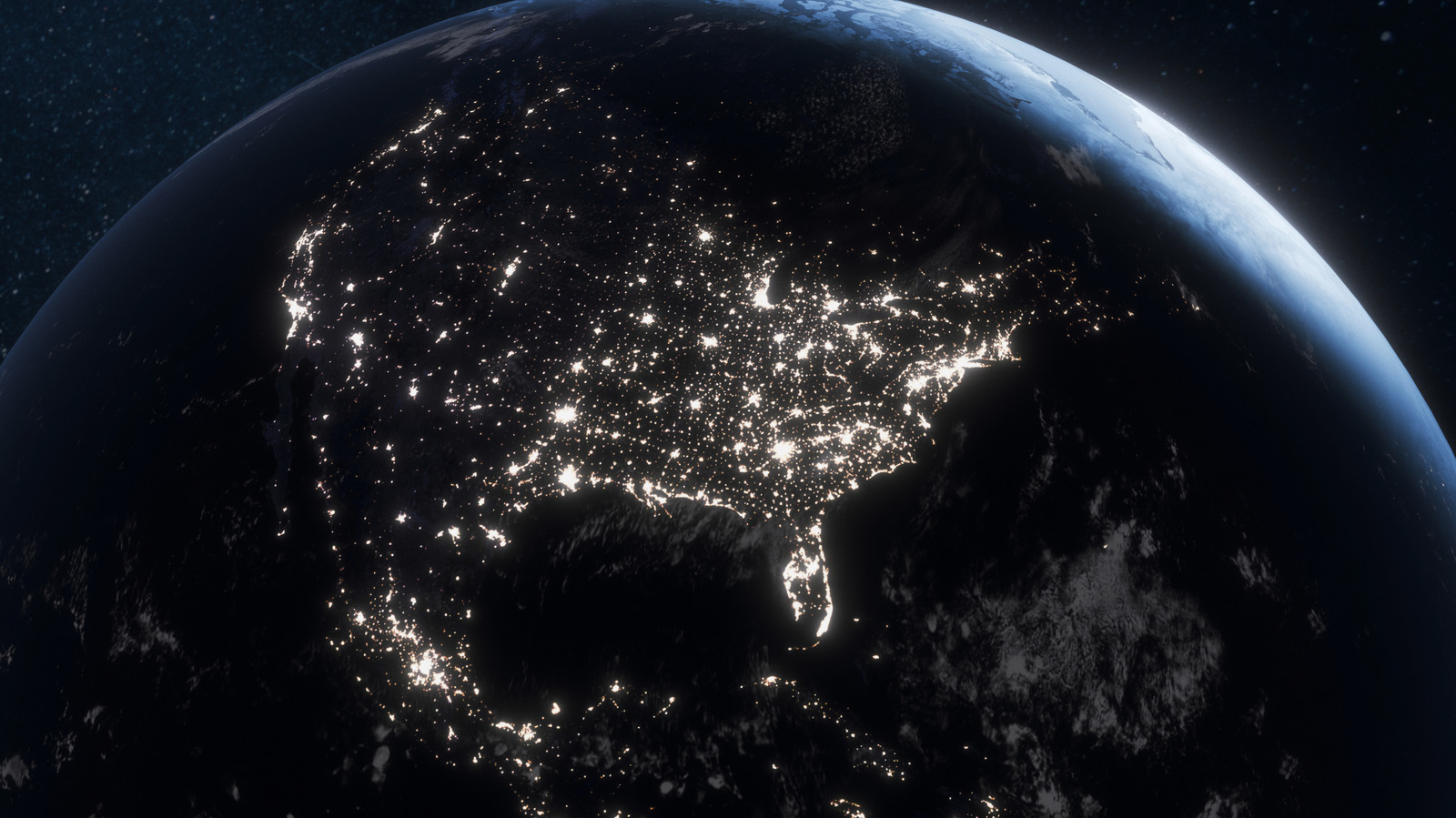
The science behind the push is straightforward. Excessive artificial lighting disrupts circadian rhythms in humans and animals alike. Migratory birds become disoriented, insects decline by up to 80 percent in heavily lit areas, and astronomical research becomes nearly impossible within 50 miles of major cities. Light pollution wastes roughly 30 percent of all outdoor lighting energy, sending it skyward rather than to the ground where it belongs.
But the automotive industry and city planners face a genuine tension here. Streetlights serve a real safety function. They reduce accidents, deter crime, and provide orientation for drivers navigating unfamiliar roads at night. Removing them entirely requires rethinking how cities balance visibility with preservation.
Several cities have found middle ground. They install motion-activated LED lights that dim when no movement occurs, use amber or red-spectrum bulbs that harm ecosystems less than blue-white LEDs, and focus lighting downward rather than omnidirectional. Tucson, Arizona pioneered this approach, and its Dark Sky certification coexists with functional street infrastructure. The city prioritized dark sky status while maintaining safe roads through strategic lighting placement and warm color temperatures.
The automotive implication cuts deeper than aesthetics. Connected and autonomous vehicles rely on onboard sensors, GPS, and communication systems rather than ambient light. Tesla's Full Self-Driving, Waymo's robotaxis, and Cruise's driverless platforms operate effectively in darkness because they use lidar, radar, and cameras rather than eyes. This shift means fewer streetlights may become acceptable as autonomous fleets replace human drivers.
Traditional drivers face legitimate concerns. Highway fatalities increase between 50 and 80 percent at night compared to daylight, according to the National Highway Traffic Safety Administration. Rural roads and urban areas with poor lighting see higher collision rates. Removing streetlights without considering driver safety invites backlash and genuine danger.
Insurance companies and liability-conscious city governments recognize this risk. Most Dark Sky initiatives exempt major thoroughfares and highways. They target residential streets, parks, and areas with lower traffic volumes. Interstate highways, arterial roads, and downtown commercial districts retain full lighting.
The disconnect emerges when cities zealously pursue Dark Sky status without a comprehensive traffic-safety plan. Some municipalities have removed lighting from roads before installing adequate LED alternatives or upgrading signage. This creates temporary hazards and erodes public support for the initiative.
Forward-thinking cities treat Dark Sky certification as a long-term infrastructure overhaul, not a simple removal project. They coordinate with transportation departments, conduct safety audits, and phase changes gradually. Flagstaff required businesses to retrofit outdoor lighting fixtures and enforced strict ordinances before achieving certification in 1989. The process took discipline and planning.
As autonomous vehicles mature and LED technology improves, the conflict between dark skies and road safety will ease. Self-driving cars eliminate human visual dependence on streetlights. Smarter LEDs can adjust output based on road conditions and traffic density in real time. Until then, cities pursuing Dark Sky status must resist the impulse to simply turn off lights and instead invest in thoughtful alternatives that honor both safety and starlight.