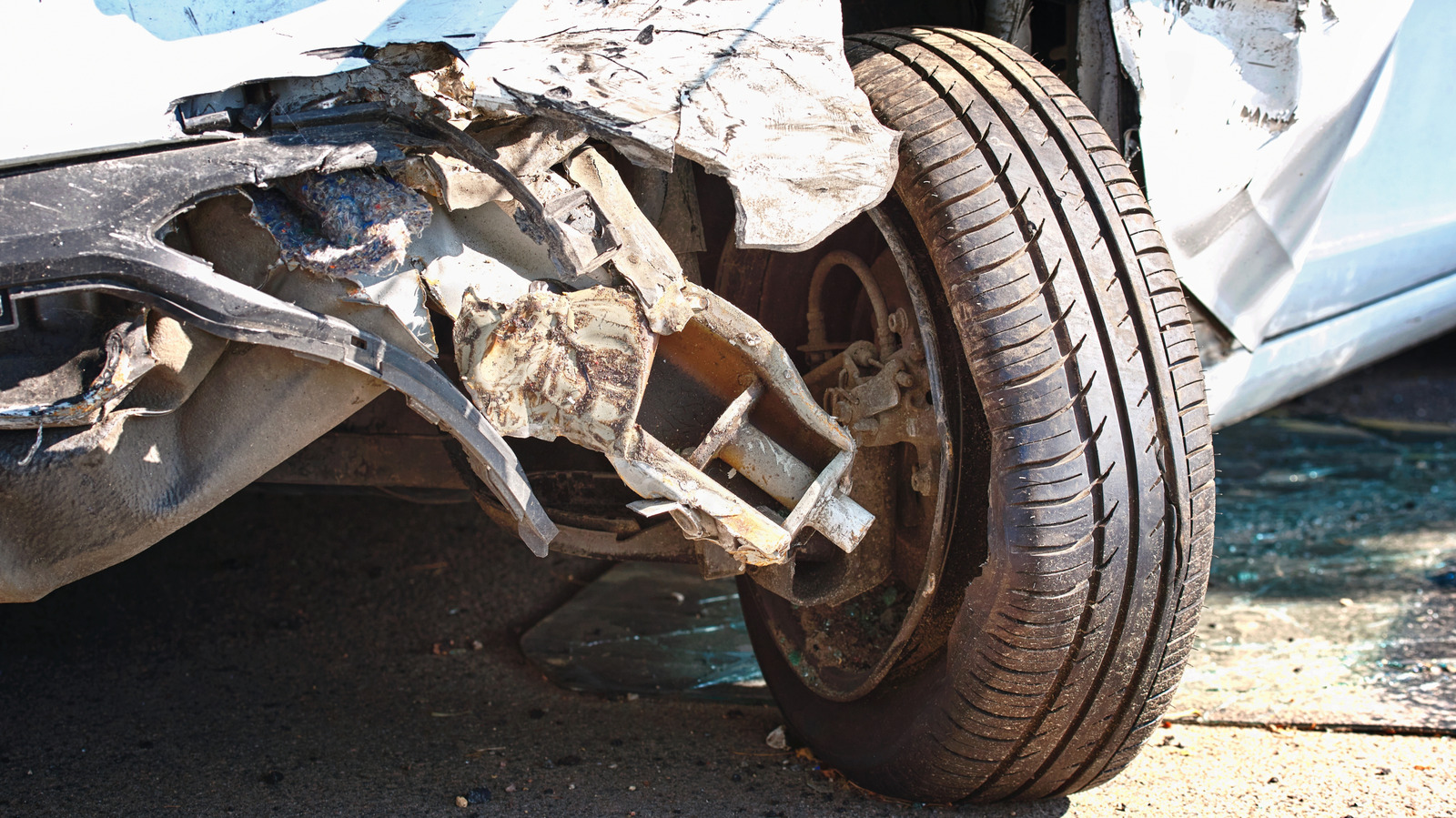
A bent axle ranks among the most destructive suspension failures a driver can experience, yet many owners remain uncertain about detection, repair options, and costs involved. Understanding the mechanics of axle damage and available fixes separates smart owners from those who let minor problems compound into catastrophic breakdowns.
Axles transmit engine power to the wheels while supporting the vehicle's weight. They operate under constant stress, spinning at high speeds while handling lateral forces during cornering and vertical impacts from road irregularities. A bent axle disrupts this balance immediately. Symptoms appear unmistakably: steering wheel vibration at highway speeds, uneven tire wear, pulling to one side, clunking noises during acceleration or deceleration, and in severe cases, complete loss of drive to affected wheels.
The causes vary. Pothole impacts, curb strikes, accident collisions, and towing beyond capacity ratings all bend axles. Some vehicles prove more vulnerable than others. Pickup trucks and SUVs face higher risk due to their load-carrying purpose and off-road exposure. Lowered cars and sports models with stiff suspensions transmit impacts more directly to drivetrain components. Luxury sedans with independent rear suspensions often require individual axle replacement rather than dealing with live axle assemblies found on trucks.
Diagnosis requires a mechanic's expertise. Visual inspection spots obvious bends, but hairline cracks and subtle deflection demand a shop with alignment racks and suspension specialists. A diagnostic typically costs between 75 and 150 dollars but proves essential before authorizing repair work.
Repair options depend on severity. Minor bends in some aftermarket axles allow professional straightening. Shops with hydraulic press equipment can realign mildly damaged components for 200 to 400 dollars. This approach works only on certain applications and only if the axle hasn't cracked. Any micro-fractures spreading from the bend point mean replacement becomes the only safe option.
Full replacement addresses nearly all scenarios. OEM axles cost between 400 and 1,500 dollars per side depending on the vehicle, with labor adding another 300 to 800 dollars. Aftermarket alternatives often undercut OEM pricing but sacrifice quality and durability. Rebuilt axles offer middle ground, typically running 250 to 600 dollars per unit plus installation costs. Four-wheel-drive vehicles requiring front and rear axle service face bills exceeding 3,000 dollars.
Timing matters urgently. A bent axle left unrepaired accelerates wear across connected components. CV joints, bearings, and transmission components sustain secondary damage. Continued driving on a compromised axle risks sudden failure, potentially causing loss of vehicle control on highways. Insurance claims rarely cover damage resulting from delayed maintenance on known issues.
Prevention strategies prove cheaper than repairs. Regular suspension inspections catch early problems. Maintaining recommended tire pressures reduces impact severity during pothole strikes. Respecting load ratings and speed limits over rough roads protects drive components. All-terrain vehicles benefit from protective skid plates that absorb impacts before reaching suspension parts.
Modern vehicles with multi-link independent suspensions sometimes allow replacing individual arms rather than complete axle assemblies, reducing costs and repair complexity. Luxury marques increasingly employ this design philosophy.
Vehicle owners facing bent axle symptoms should schedule immediate professional inspection. Driving with a damaged axle proves dangerous and expensive. Straightening remains rarely viable. Replacement remains the standard solution that restores safety and reliability.