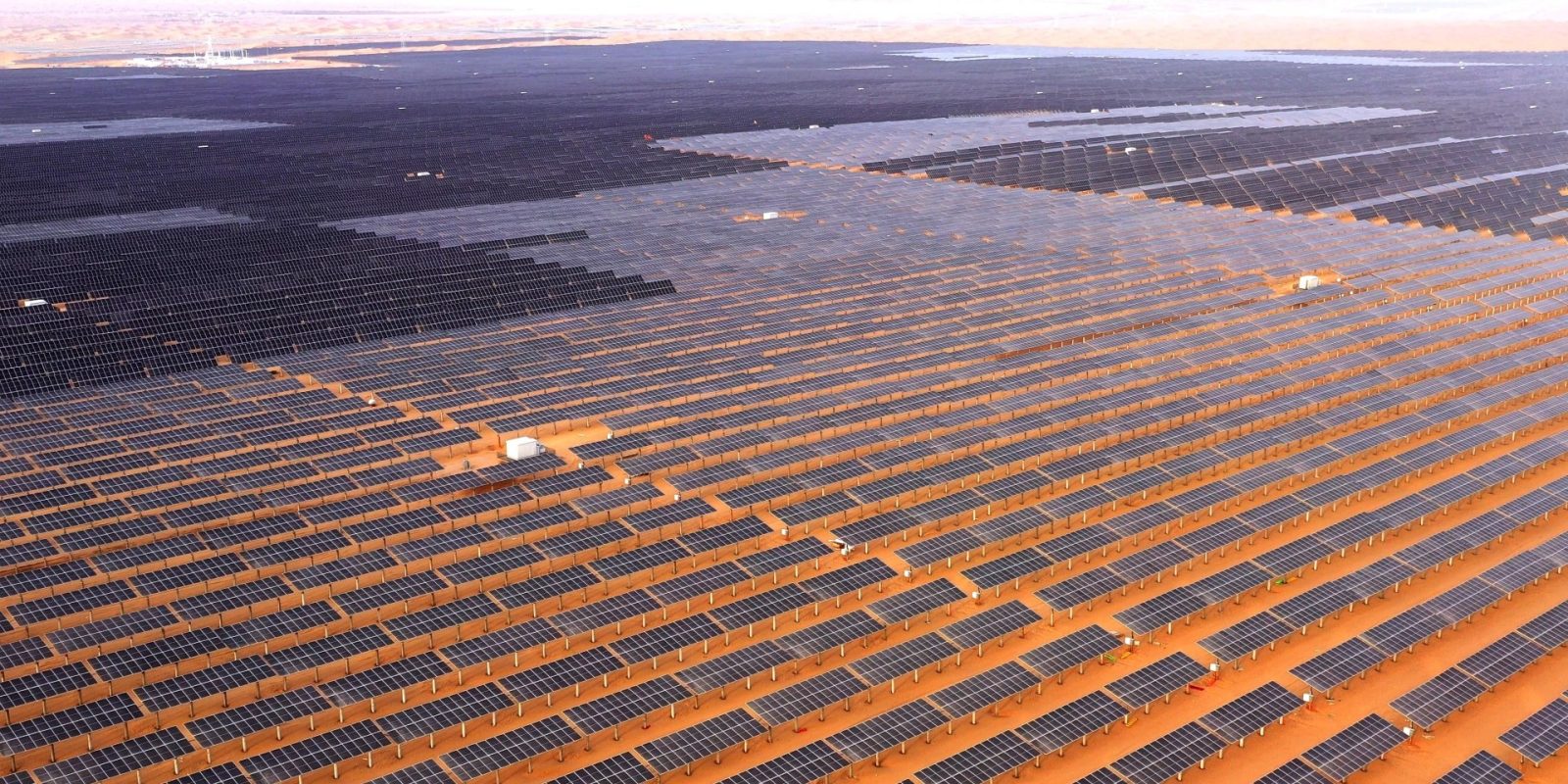
China's renewable energy expansion is now outpacing electricity demand growth while simultaneously displacing coal generation, marking a watershed shift in the world's largest energy market.
The scale of China's clean energy deployment has reached inflection point. Solar and wind capacity additions are growing faster than total electricity consumption, a reversal from decades of parallel growth patterns. This dynamic fundamentally changes how China's grid operates and signals an acceleration in coal's decline that Western markets took years to achieve.
China installed approximately 193 gigawatts of solar capacity in 2022 alone, with wind additions exceeding 40 gigawatts annually. These numbers dwarf competing nations. The United States added roughly 15 gigawatts of solar and 9 gigawatts of wind in the same period. Germany, Europe's renewable leader, installed around 10 gigawatts of solar. China's deployment velocity leaves other markets in its wake.
Grid data confirms coal's retreat. Coal-fired plants operated at reduced capacity factors as renewable output surged. During peak generation hours in regions with high solar penetration, coal units ran below optimal efficiency levels. This pattern intensifies pressure on coal plant economics. Coal operators face fixed costs with declining utilization, a brutal margin squeeze that threatens profitability.
Manufacturing and export dynamics amplify this trend. Chinese solar panel makers produce roughly 80 percent of global supply. Domestic demand absorption means less reliance on exports, but export pricing still reflects massive production capacity. Low-cost panels accelerate adoption worldwide, which paradoxically reduces fossil fuel demand in markets importing Chinese technology. China exports its clean energy dominance globally while simultaneously reducing its own coal dependence.
Geopolitical factors reinforce the momentum. China's targets for carbon neutrality by 2060 and peak emissions before 2030 create policy tailwinds for renewables. State-backed financing channels cheap capital toward solar and wind projects. Grid operators receive explicit mandates to prioritize clean energy dispatch. These structural forces operate independently of market economics, ensuring continued deployment acceleration regardless of commodity price cycles.
Storage and transmission infrastructure investments follow generation capacity growth. Battery manufacturing capacity in China now exceeds 500 gigawatt-hours annually. High-voltage transmission lines connect inland solar and wind resources to coastal population centers. Grid modernization spending reflects confidence that renewables will dominate future generation mixes.
Coal's role hasn't vanished entirely. China operates the world's largest coal fleet with roughly 1,000 gigawatts of capacity. Coal still generates more absolute electricity than renewables. But the trajectory diverges sharply. Coal additions have stopped. Existing plants face retirement pressures as economic life shortens under reduced utilization scenarios.
This reshuffling carries implications beyond China. Global coal demand depends heavily on Chinese consumption. Reduced domestic coal usage frees export supplies that depress international pricing. Developing nations see coal as increasingly expensive relative to falling renewable costs. Supply chain proximity to Chinese manufacturers makes solar and wind projects financially attractive in Southeast Asia, South Asia, and Africa.
The automotive industry benefits indirectly through grid decarbonization. China's electric vehicle explosion depends on power sources. As coal's share shrinks, EV charging draws from cleaner grids. This improves the well-to-wheel emissions profile for EVs and strengthens the environmental case for electrification across transportation segments.
China's clean energy surge represents an inflection point where renewable capacity growth decouples from demand growth. Coal plants become stranded assets faster than planned retirements allow. This dynamic accelerates the global energy transition through economics and policy simultaneously.