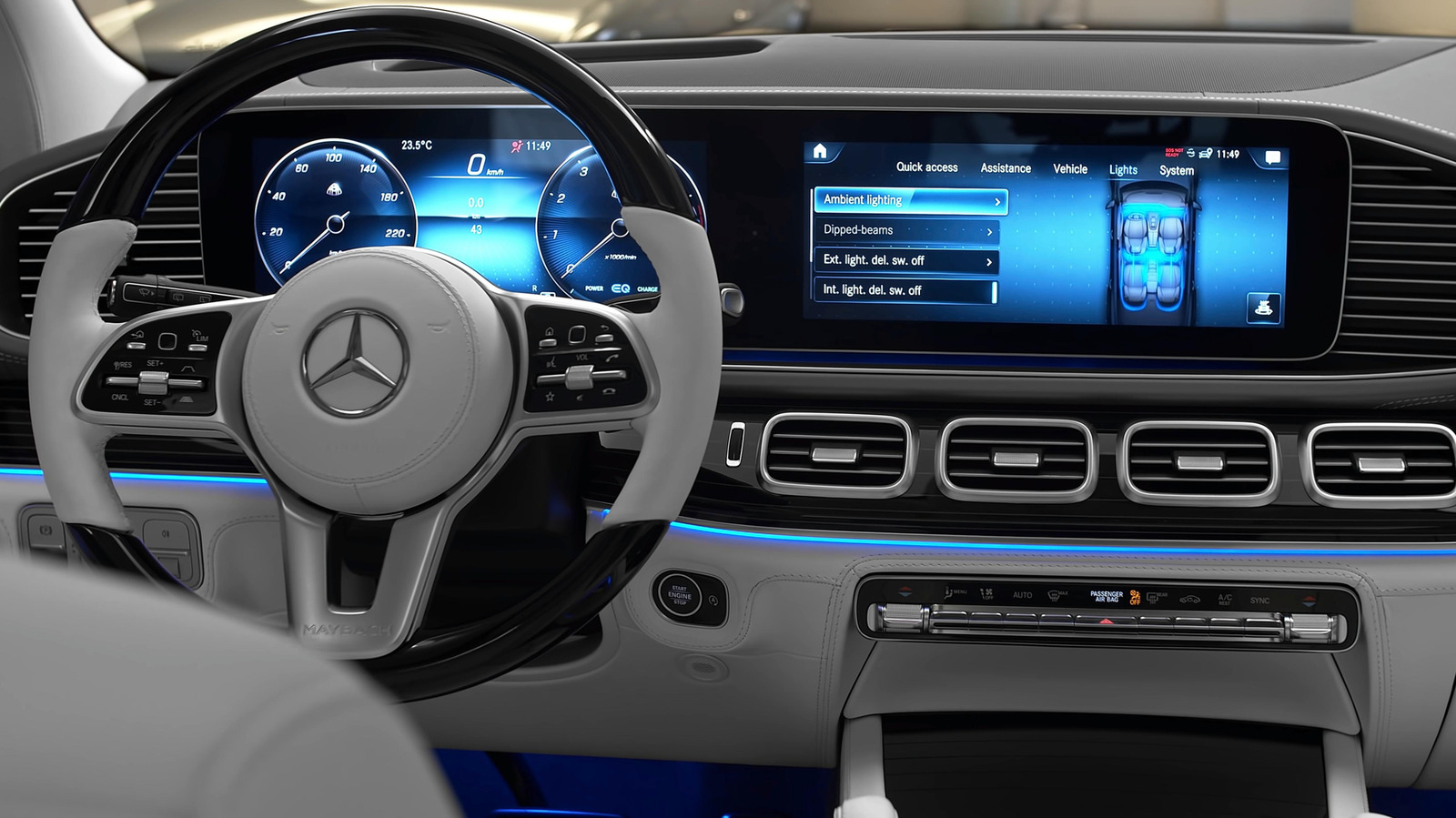
The race to meet federal fuel economy standards has fundamentally reshaped how carmakers engineer vehicles, pushing them toward heavier reliance on complex digital systems that now control everything from engine timing to climate management. This regulatory squeeze created an unintended consequence: the proliferation of entertainment and connectivity features that flood modern dashboards.
Fuel economy regulations like the Corporate Average Fuel Economy (CAFE) standards, which require automakers to achieve fleet-wide averages of around 35 miles per gallon by 2026, force manufacturers to cut weight, downsize engines, and optimize performance in ways that demand sophisticated electronics. When turbocharged three-cylinder engines replace naturally aspirated sixes, they need computer precision to maximize efficiency. When stop-start systems shut down the engine at red lights, sophisticated software manages the transition. When transmissions jump from eight speeds to ten to twelve, programmable electronics orchestrate every gear change.
But carmakers face a paradox: these efficiency gains often require electrification and battery integration, which add weight. To offset that weight penalty, they've added infotainment systems, driver assistance tech, and connectivity features that weren't strictly necessary for fuel economy but that make the added complexity feel justified to consumers. A 10-inch touchscreen with gaming capability, over-the-air updates, and smartphone integration becomes part of the equation.
The result is cars packed with features that manufacturers believe justify their price tags and higher complexity. You can now play video games on your Tesla or Ford while parked. Porsche offers streaming video services in its latest models. BMW bundles gaming into its infotainment offerings. None of these capabilities directly improve fuel economy, yet they exist partly because the tech infrastructure required for efficiency also creates the framework for entertainment and data collection.
This trend creates real problems. More electronics means more failure points. Software bugs affect driving dynamics, not just entertainment. Recalls expand. Repair costs climb. Owners lose physical controls for basic functions like climate and seat adjustments, forcing them to navigate menus instead. The average car now contains 100 million lines of code. That complexity serves efficiency mandates but also creates vulnerabilities that hackers could exploit.
Manufacturers argue this technology enhances safety and driver experience. Blind-spot cameras, adaptive cruise control, and collision avoidance systems work because of the computing power already onboard. Entertainment features bundle into that same architecture.
The efficiency mandate itself isn't wrong. Climate considerations demand higher fuel economy. But the current system incentivizes automakers to add every possible connected feature as a value-add, inflating complexity beyond what actually improves efficiency. A vehicle meeting CAFE standards doesn't need onboard gaming or streaming services. It needs efficient engines, lighter materials, and optimized aerodynamics.
What automakers discovered is that fuel economy regulations created an excuse to computerize entire vehicles, giving them data collection platforms and recurring revenue streams through software subscriptions. Whether that's better or worse depends on your tolerance for touchscreen dependency, cybersecurity concerns, and repair complexity.