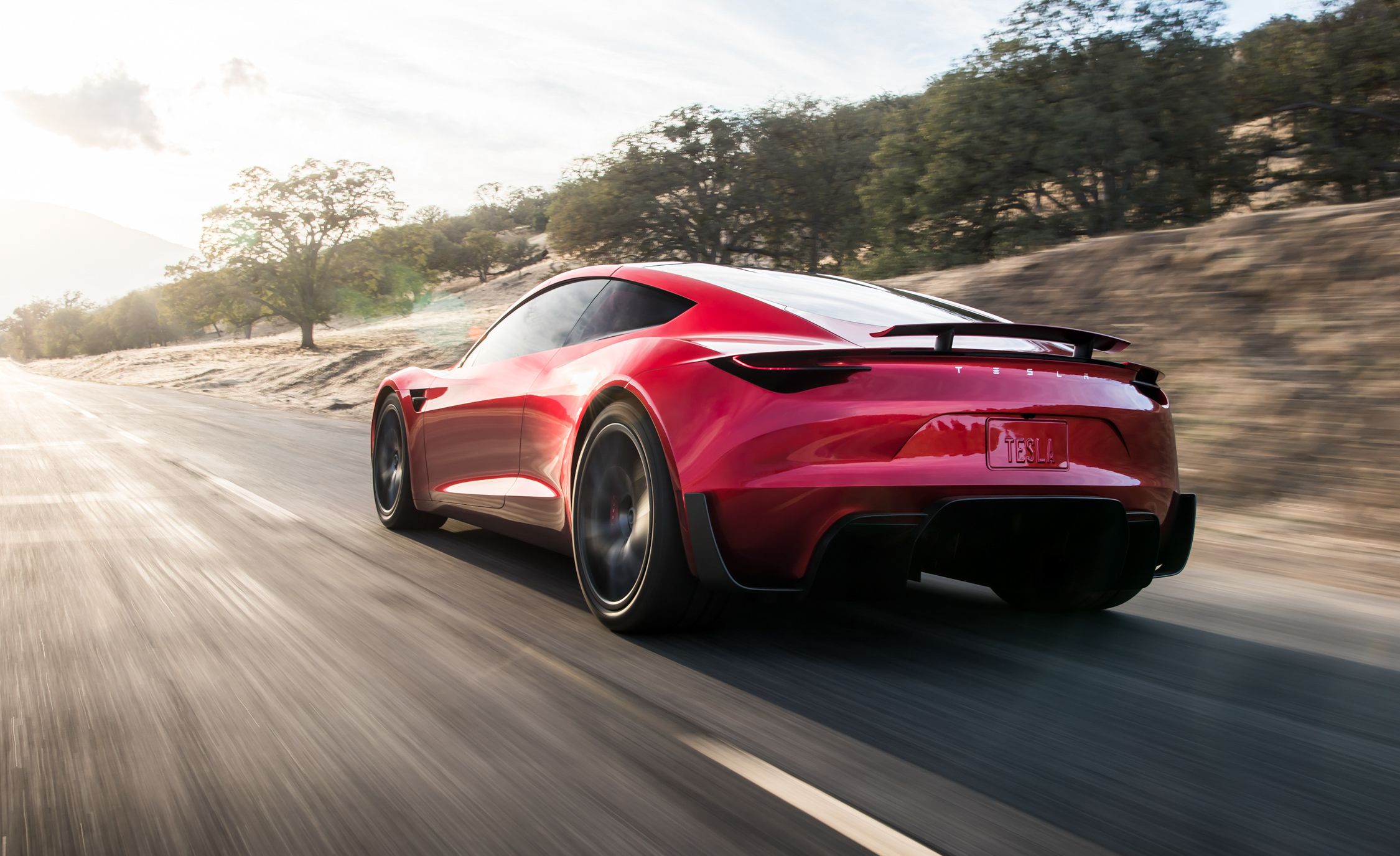
Tesla's second-generation Roadster finally has a reveal date. Elon Musk confirmed the electric sports car will debut on October 1, ending years of speculation about when the automaker would actually show the production version to the public.
The original Roadster was Tesla's first production vehicle, launched in 2008 as a Lotus-based electric sports car that proved EVs could be fast and desirable. Musk announced the next-generation Roadster at a company event in 2017, promising it would be faster, more luxurious, and capable of 0-60 mph in under three seconds. That timeline slipped considerably. Now, nearly seven years later, Tesla prepares to finally reveal what the automaker has in store.
Details remain scarce. Musk has previously claimed the new Roadster would seat four passengers, include a removable glass roof panel, and deliver more than 600 horsepower. The acceleration figure of under three seconds would make it competitive with high-end supercars like the Porsche 911 Turbo and Ferrari F8 Tributo, though specifications have shifted in various Musk statements over the years.
The timing matters for several reasons. Tesla faces intensifying competition in the premium EV segment. Porsche's Taycan, BMW's i8 successor rumored for 2024, and upcoming offerings from Lucid and Rimac all target wealthy buyers who want electric performance. A reveal now keeps Tesla relevant in the conversation while the company navigates production challenges with the Cybertruck and continued Model Y ramp-up.
The Roadster also serves a symbolic purpose. It represents Tesla's roots as a manufacturer of desirable, driver-focused vehicles rather than just practical transportation boxes. With the Model 3 and Model Y dominating sales volume, a flagship sports car reinforces the brand's performance credentials and captures enthusiast attention in automotive media.
Production timing and pricing remain unknowns. Musk has been vague on both fronts, though past statements suggested starting prices in the $200,000 range. Demand from Tesla loyalists will be high, but the automaker faces real questions about production capacity and delivery timelines. The Cybertruck's delayed launch and recent production constraints demonstrate Tesla's challenges in scaling new platforms.
The October 1 reveal sets expectations high. Musk's track record of overpromising on timelines means the actual Roadster production and customer deliveries could extend well beyond initial announcements. Still, seeing the final design, confirmed powertrain details, and actual performance specifications will move the needle in the EV sports car conversation.
For Tesla, this reveal represents a chance to remind the market that the company builds more than bestselling utility vehicles. It also buys time as competitors accelerate their own electrified performance offerings. Musk's confirmation suggests Tesla intends to keep the Roadster story alive rather than let it fade into vaporware status.