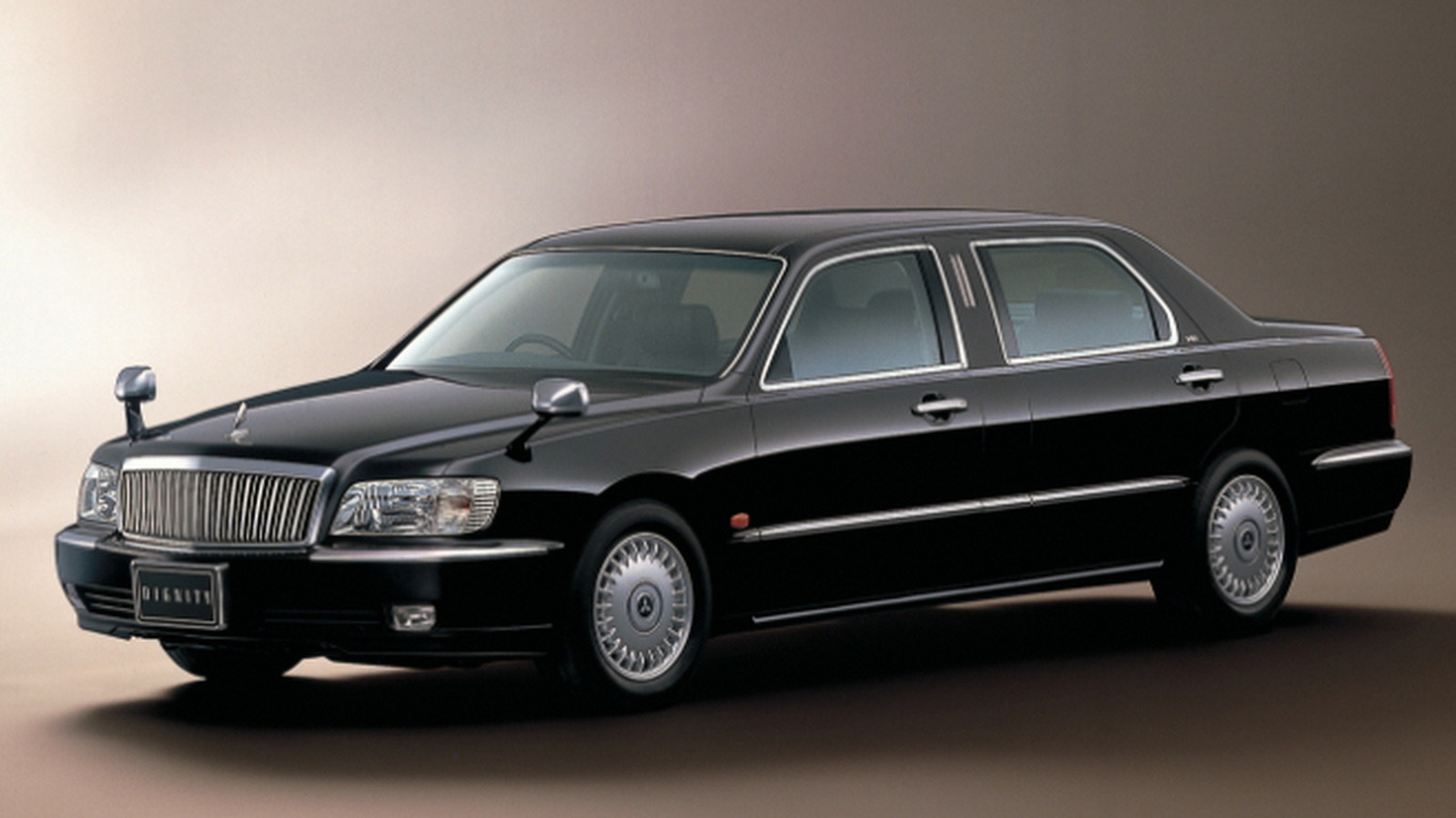
Mitsubishi's 8A8 V8 engine holds a distinction that most enthusiasts overlook. It was the first production V8 engine equipped with gasoline direct injection, a technology that would eventually reshape the industry and become standard across the market decades later.
Developed through a partnership between Mitsubishi and Hyundai, the 8A8 debuted in flagship luxury sedans during the late 1990s. The engine displaced 3.5 liters and produced 210 horsepower, modest by modern standards but respectable for its era. The direct injection system sprayed fuel directly into the combustion chamber rather than the intake port, a revolutionary approach that improved fuel atomization and combustion efficiency.
Direct injection technology offered tangible benefits that manufacturers and engineers recognized immediately. Engines burned fuel more completely, generating better fuel economy and lower emissions compared to conventional port injection rivals. The technology also enabled higher compression ratios without detonation risk, unlocking additional performance potential. Mitsubishi understood these advantages and positioned the 8A8 as proof that Japanese engineering could compete with European luxury marques in both sophistication and refinement.
The 8A8 arrived in Hyundai's XG sedan, a model that never achieved significant market penetration outside Korea. This placement limited the engine's global visibility and cultural impact. Hyundai lacked the brand cachet to establish the XG as a desirable luxury competitor against established names like BMW, Mercedes-Benz, and Lexus. The partnership between Mitsubishi and Hyundai also reflected the era's cost-sharing strategies common among Japanese automakers seeking to develop premium platforms without bearing full development expense alone.
Despite its technical innovation, the 8A8 remained largely forgotten outside Korea. Production volumes stayed relatively low, and the engine never appeared in Mitsubishi's own vehicles in significant numbers. The company's financial troubles during the 2000s further diminished resources for premium engine development and marketing. By the time GDI became mainstream across the industry, the 8A8's pioneering role had faded from collective memory.
Gasoline direct injection eventually became the norm rather than exception. By the 2010s, manufacturers across all segments adopted GDI technology to meet stricter fuel economy and emissions regulations. BMW, Audi, Mercedes-Benz, Ford, and General Motors all incorporated GDI into their engine lineups. The technology that Mitsubishi proved viable in the 1990s became non-negotiable by the 2020s.
The 8A8's story illustrates a pattern in automotive history where first-movers don't always capture market recognition or commercial success. Technical innovation alone guarantees neither fame nor profitability. Market timing, brand positioning, production volume, and competitive landscape determine whether an engineering breakthrough achieves legendary status or fades into obscurity. The 8A8 solved genuine engineering challenges and proved new technology worked reliably. It simply arrived in a car that never mattered in the larger automotive narrative, making it a relic that only serious engine historians remember today.