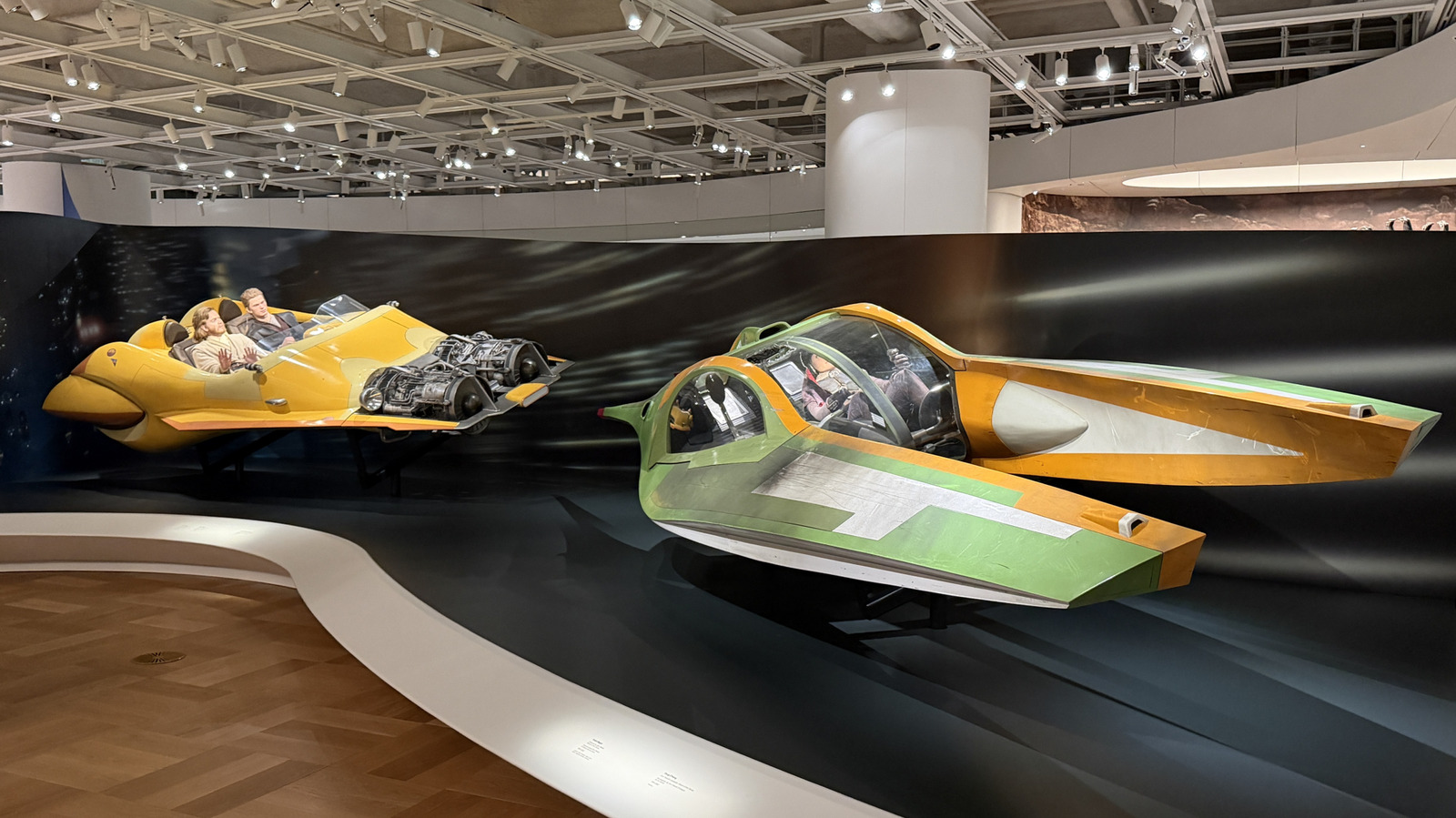
George Lucas' Lucas Museum of Narrative Art opened its doors in Los Angeles with one of the most comprehensive collections of transportation art ever assembled under one roof. While the museum gained attention for its sprawling Star Wars exhibition, the vehicular art collection extends far beyond fictional spacecraft and into a rich heritage of real and imagined transportation design.
The museum houses original illustrations, comics, and paintings depicting cars, boats, planes, and spaceships that span decades of artistic tradition. Lucas invested roughly $1 billion to create this institution, positioning it as a repository for narrative-driven visual culture. The vehicular art section reflects his personal fascination with transportation design, a thread that runs through both his filmmaking and his broader creative vision.
What distinguishes this collection is its breadth. Visitors encounter classic automotive illustrations from the golden age of American car design, detailed technical renderings that informed real-world engineering, and fantastical spacecraft concepts that pushed the boundaries of what artists imagined was possible. The collection includes work from renowned automotive illustrators whose designs shaped public perception of cars throughout the 20th century. Alongside these sit comic book panels, concept art, and fine art paintings that treat vehicles as subjects worthy of serious artistic attention.
The Star Wars connection provides context for understanding Lucas' collecting philosophy. The museum displays original design paintings and sculptures of iconic ships like the Millennium Falcon and X-wing fighters. These pieces reveal the meticulous design process behind vehicles that became cultural touchstones. Artists including Ralph McQuarrie, who designed much of the original Star Wars visual aesthetic, get proper recognition through dedicated exhibitions of their work.
Beyond the science fiction realm, the collection acknowledges transportation as a central preoccupation of modern visual culture. Automotive design illustrations from the 1950s and 1960s demonstrate how artists translated engineering innovation into compelling imagery. Concept cars that never reached production appear alongside their commercial counterparts, showing the gap between imagination and manufacturing reality. The museum treats these images not as technical documents but as art worthy of gallery space and scholarly attention.
The vehicular art collection taps into a genuine but often overlooked area of art history. Automotive design and transportation illustration rarely receive the institutional support given to traditional fine art, despite their influence on popular culture and design thinking. Museums typically segregate transportation into specialized institutions focused on engineering or history. Lucas opted for integration, positioning vehicles as narrative tools and objects of aesthetic value.
This approach reflects broader shifts in how museums treat visual culture. Comic art, concept design, and illustration have gained legitimacy in major institutions over the past decade. The Lucas Museum accelerates this trend by devoting significant space and resources to transportation art specifically. The collection signals that how we depict movement, speed, and machinery matters.
For automotive enthusiasts, the museum offers validation and context often missing from traditional car shows. Seeing a 1960s concept car illustration mounted gallery-style alongside fine art paintings reframes how we understand design history. The museum doesn't treat cars as mere objects but as subjects that artists have grappled with across mediums and eras.
The Lucas Museum's vehicular art collection represents one curator's ambitious attempt to elevate transportation imagery from novelty status to serious artistic consideration. The investment and institutional backing give these works permanence and cultural weight they rarely receive elsewhere.