# The Manual 2001 BMW X5 Remains a Cult Gem Worth Revisiting
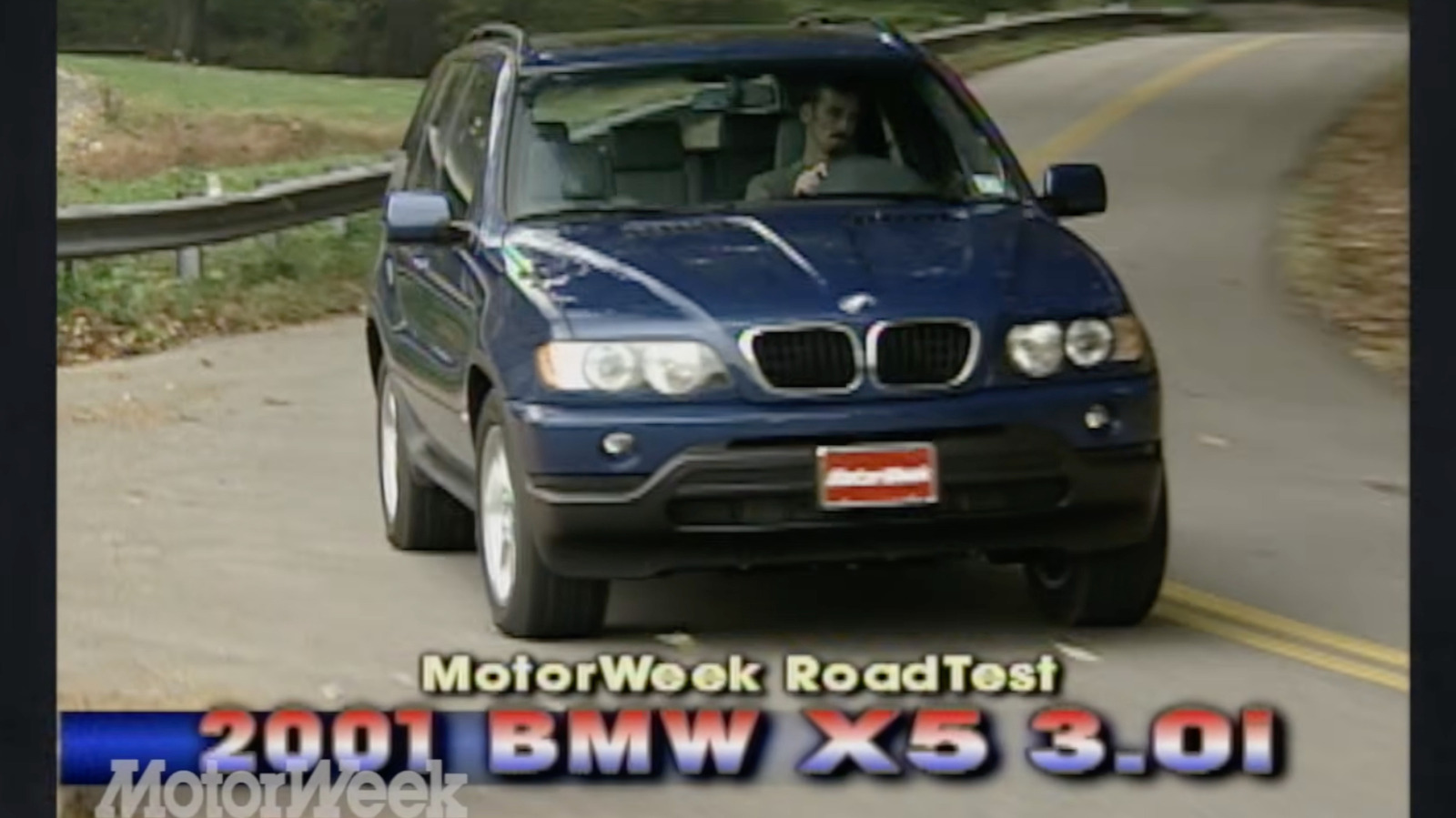
BMW's original X5, launched in 1999, arrived as a watershed moment for the luxury SUV segment. The first-generation model challenged the established order of Range Rover dominance and Japanese incumbents by marrying German engineering with an SUV package. A MotorWeek review of the 2001 model year manual-equipped version reveals why enthusiasts still crave this configuration two decades later.
The first-generation X5 came powered by a 3.0-liter inline-six producing 282 horsepower, a respectable figure for the era. Most buyers selected the five-speed automatic transmission. The five-speed manual variant remains rare, existing as a unicorn in today's collector market. That scarcity alone explains the nostalgia. Few drivers experienced the manual shifter in the X5's cabin, making contemporary reviews of that configuration historically valuable.
The 2001 model year falls into the X5's first generation run from 1999 to 2006. By 2001, BMW had refined the formula after its initial launch. The E53 generation X5 established the template luxury automakers still follow: three-row seating, all-wheel drive as standard, and genuine off-road capability married to on-road composure. The manual option delivered a raw mechanical connection that modern BMW SUVs abandon completely in favor of automatics.
Today's context matters. The manual transmission has nearly disappeared from luxury vehicle offerings. Even performance-focused SUVs from Porsche and BMW now offer only dual-clutch automatics or torque-converter units. Finding a manual in an SUV from any manufacturer requires searching the used market or importing from markets where stick shifts retain stronger demand. The 2001 X5 manual represents a closing window on that era.
MotorWeek's review framework focused on the practical aspects modern buyers valued. The X5 delivered space, capability, and prestige. The manual transmission added engagement for drivers who cared about the driving experience. The combination proved niche enough that BMW discontinued the manual option relatively quickly, confirming market reality even among enthusiasts willing to pay premium prices.
The first-generation X5 influences today's segment in subtle ways. Its success demonstrated that luxury buyers accepted SUVs as primary vehicles, not degraded compromises. The model's all-wheel-drive architecture, independent suspension tuning for both on and off-road performance, and three-row seating became the gold standard copied by Audi (Q7), Mercedes-Benz (GLE), and Lexus (LX). Every modern luxury three-row crossover traces its DNA partially back to BMW's gamble.
Nostalgia for the manual 2001 X5 reflects broader automotive trends. As automatics became faster and more efficient, manuals became optional niche items. As SUVs homogenized into family haulers optimized for highway driving, the notion of a sportier, more interactive SUV became quaint. The combination of manual transmission plus luxury SUV plus first-generation engineering represents a convergence unlikely to repeat.
Used examples of the manual X5 command premiums when they appear at auction or private sale. Collectors recognize the rarity. MotorWeek's archival review serves as historical record of what that ownership experience delivered. The 2001 X5 manual sits at an intersection between practical transportation and engaged driving that the modern market has largely abandoned. That gap explains why enthusiasts gnaw at the bars.