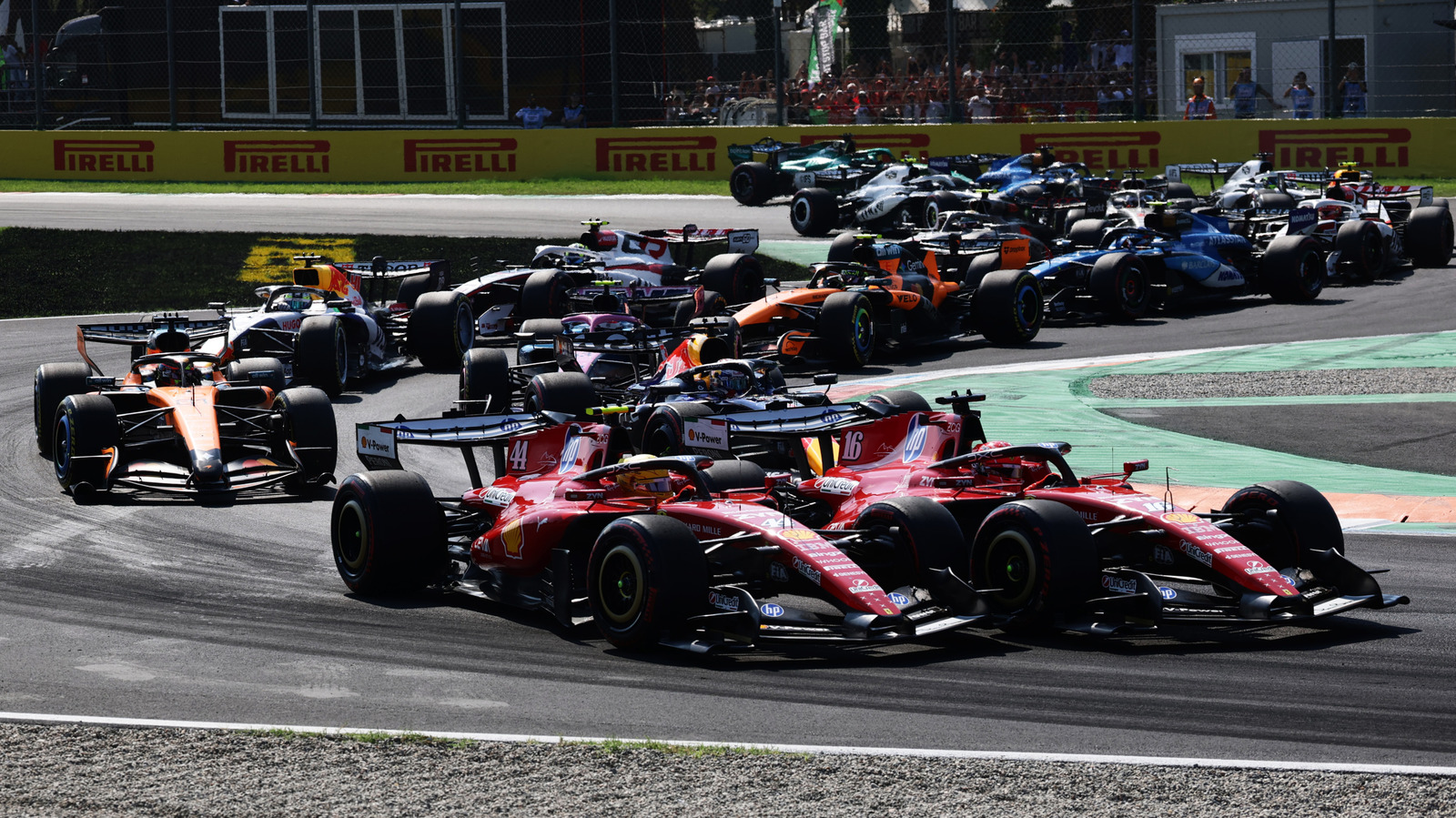
Formula 1 is exploring a radical engine overhaul for its next technical regulations cycle, and the proposal has triggered immediate backlash from the sport's fanbase. The FIA is considering massive 3-liter turbocharged V8s as the centerpiece of future power units, a dramatic departure from the current hybrid-electric formula that has defined the sport since 2014.
The current generation relies on 1.6-liter turbo V6 engines paired with complex hybrid recovery systems that harvest energy from exhaust heat and braking. That architecture, while environmentally progressive and fuel-efficient, has become increasingly unpopular with fans who cite reduced engine noise and the perception that technology overshadows driver skill. The 3-liter turbo V8 proposal directly addresses the noise complaint. Larger displacement, naturally aspirated V8s were F1's backbone through 2013, and the sonic assault they delivered remains etched in motorsport mythology.
The timing reflects growing tension between F1's sustainability commitments and fan sentiment. Liberty Media and the FIA have walked a tightrope for years, championing hybrid efficiency while facing criticism that modern F1 engines sound like vacuum cleaners compared to the V10s and early V8s. A return to bigger, louder V8s would electrify hardcore traditionalists who despise the current quiet, computing-heavy paradigm. Yet a 3-liter turbo V8 differs substantially from the naturally aspirated V8s of 2006 to 2013. Turbocharging reduces displacement advantages and fundamentally changes throttle response and power delivery characteristics that pilots feel in the cockpit.
The proposal also raises questions about manufacturer commitment. Mercedes, Ferrari, Renault, and Honda have invested heavily in hybrid power unit development. A wholesale shift toward turbocharged gasoline engines could alienate OEMs currently invested in the hybrid formula or those eyeing full electrification for road-car relevance. The hybrid system also positions F1 as technologically ambitious, a selling point to luxury automakers and sponsors focused on future mobility. Reverting to turbo V8s risks F1 appearing backward-looking when global automotive trends point toward electrification and hybridization across the industry.
Fan reaction has been swift and skeptical. Social media erupted with complaints that 3-liter turbos sound flat and metallic compared to naturally aspirated engines, that they won't deliver the dramatic engine roar fans crave, and that the move feels like a compromise that satisfies nobody. Purists want full V8 or V10 naturally aspirated mills. Environmentalists oppose any retreat from efficiency. Manufacturers face uncertainty about development costs and regulatory permanence.
F1 faces a genuine dilemma. Sustainability commitments clash with nostalgia-driven fan demands and the operational realities of competing manufacturers. The 3-liter turbo V8 represents a middle ground that might alienate both constituencies. Any engine formula requires multi-year manufacturer buy-in and massive R&D spending. Getting that commitment while also rebuilding fan enthusiasm around an engine formula that doesn't satisfy either camp poses a legitimately difficult political and technical problem for F1 decision-makers. The sport will need to decide whether larger engines and louder noise truly address underlying fan dissatisfaction or simply trade one set of complaints for another.