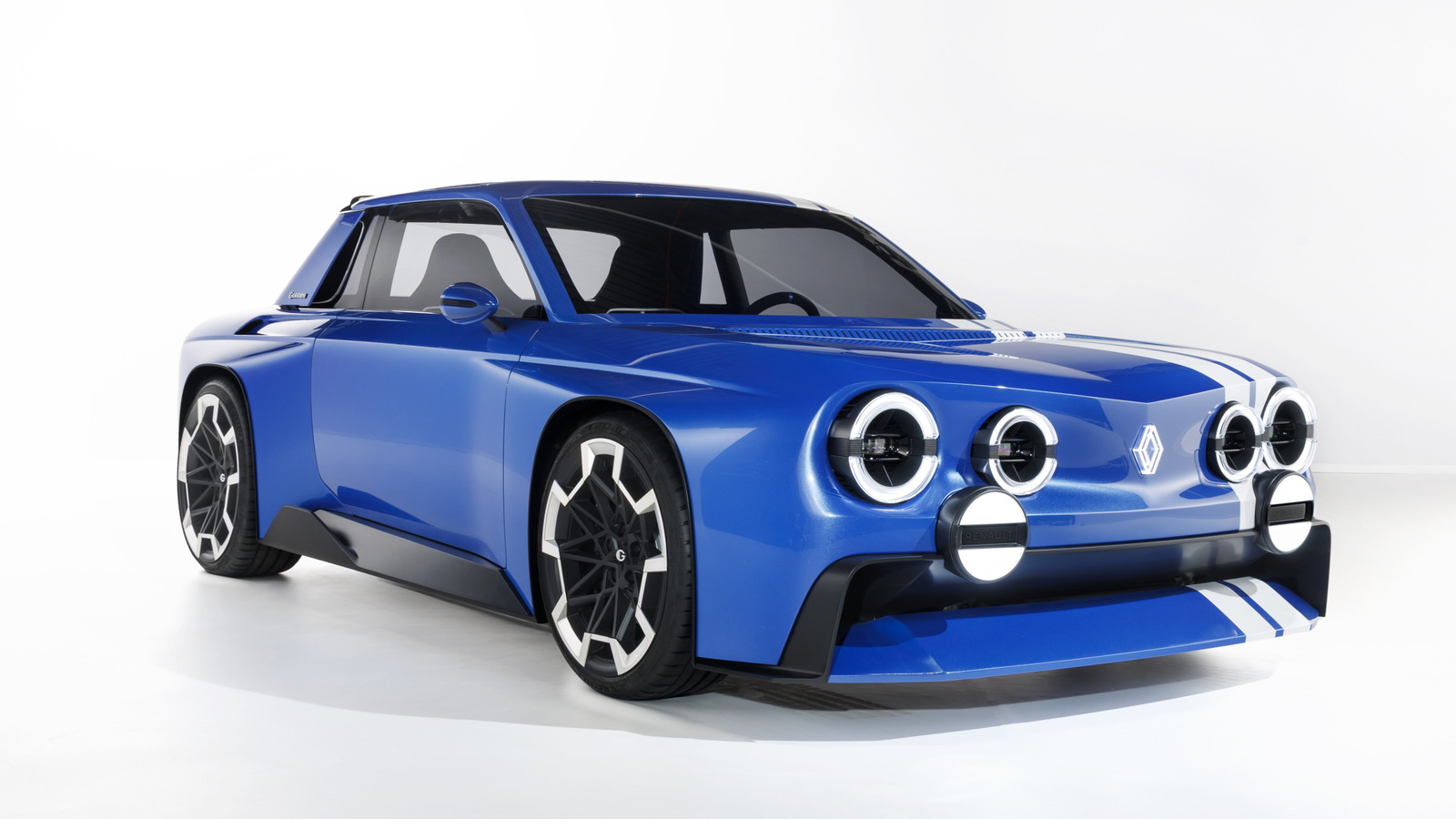
Renault has resurrected one of motorsport's most celebrated nameplates with the 8 Gordini concept, a rear-drive electric coupe that channels the spirit of the original 1960s rally warrior while pointing toward what a modern hot hatch could become.
The original Renault 8 Gordini earned legendary status in international rallying throughout the 1960s and 1970s. Built on the foundation of the humble Renault 8 sedan, the Gordini versions featured rear-mounted engines, lightweight construction, and ferocious handling characteristics that made them formidable competitors in European rally championships. The nameplate became synonymous with underdog engineering prowess, proving that clever French engineering could outrun bigger, richer competitors from Porsche and Ferrari.
This new concept abandons the rear-engine configuration of its namesake but retains the rear-drive architecture and purist performance ethos. The electric powertrain generates 270 horsepower, positioning the vehicle as a genuine driver's machine rather than a compliance exercise. For context, that output matches the current-generation Volkswagen Golf GTI in raw power, though weight distribution and electric torque delivery could make the Renault feel substantially quicker off the line.
The design language deserves attention. Renault's styling team has created something genuinely desirable, steering clear of retro pastiche while respecting the Gordini lineage. The proportions appear clean and purposeful, with modern LED detailing and what appears to be a lower roofline than contemporary hatchbacks. This concept signals Renault's willingness to build enthusiast-focused EVs rather than default to the SUV-heavy strategy that dominates most legacy manufacturers' EV lineups.
The timing matters here. The hot hatch segment has contracted significantly as customers migrate to performance SUVs and crossovers. Ford killed the Focus RS in 2018. Volkswagen continues the Golf GTI but with diminishing sales. Hyundai's i30 N remains competitive but faces a shrinking addressable market. A rear-drive electric hot hatch represents genuine white space in the market, particularly one wearing a nameplate with rally heritage.
Renault's European market position has deteriorated over the past decade, with the brand losing relevance to Peugeot, Citroën, and Volkswagen Group products. A modern Gordini could serve as a flagship for the brand's performance ambitions and signal that Renault hasn't abandoned drivers who care about handling and engagement. The concept's existence also suggests someone inside Renault leadership remembers what made the brand special.
The critical question remains production feasibility. Concept cars rarely reach showrooms unchanged, particularly when they feature unconventional proportions or premium interior treatments. Renault would need to price this competitively against the Golf GTI (starting around $35,000 in the US) while maintaining profitability on an electric architecture. European pricing would start higher, perhaps around 40,000 euros.
Building the 8 Gordini would require genuine commitment. Not a compliance vehicle. Not a box-checking EV. A legitimate performance car that respects its heritage while embracing electric propulsion. Whether Renault possesses either the courage or the capital to execute remains the open question. The concept exists. The market exists. The nameplate carries history. Now comes the hard part.