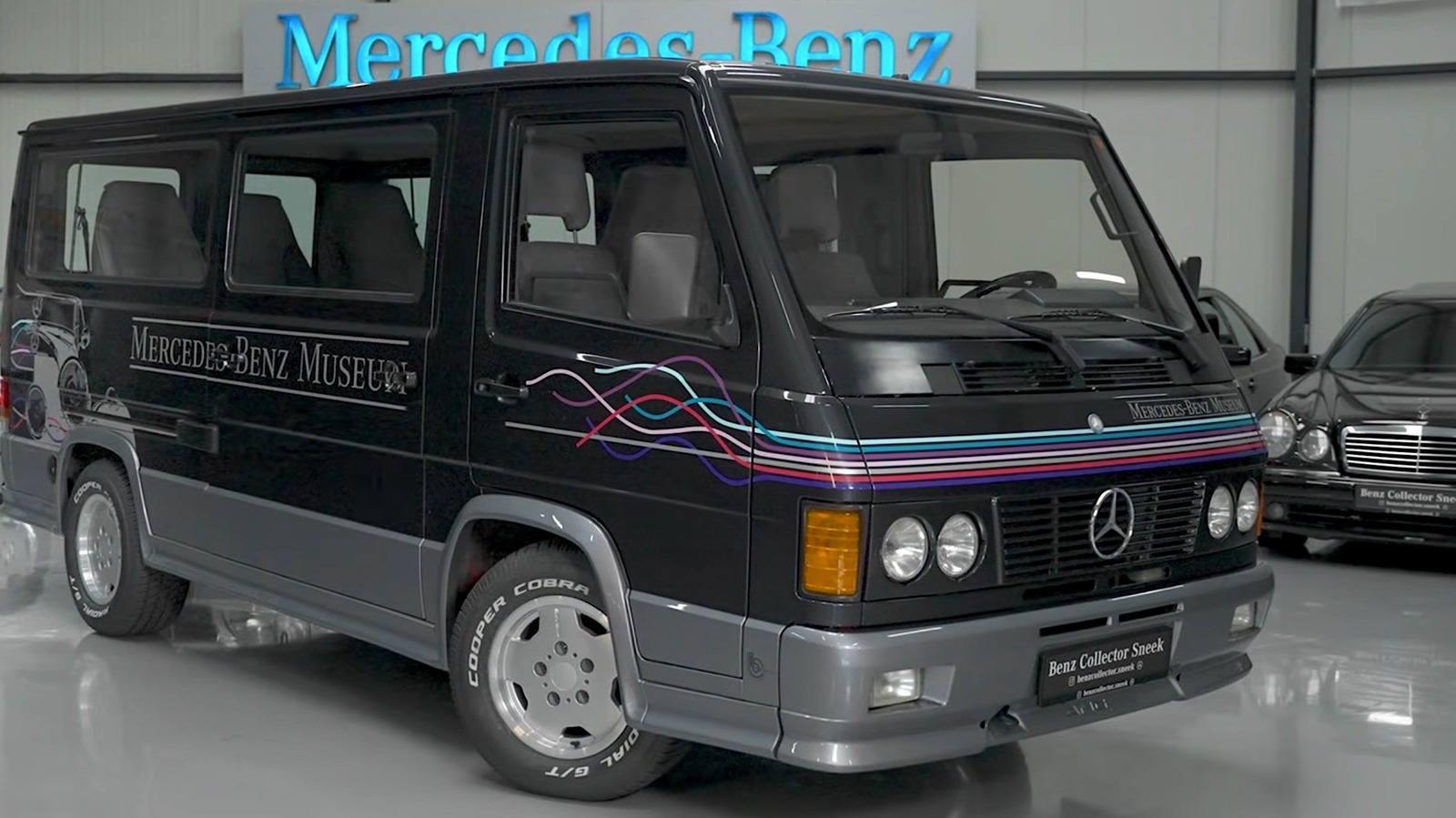
Mercedes-AMG's performance division has ventured far beyond traditional sports cars, creating some of the most unusual high-performance vehicles in automotive history. While most enthusiasts associate the three-pointed star with sedans and coupes, AMG has applied its engineering expertise to platforms that seem oddly suited for 500-horsepower engines and multi-speed transmissions.
The rarest and most peculiar AMG models showcase the division's willingness to blur the line between practical transportation and unbridled performance. Mercedes-AMG didn't confine itself to expected categories. Instead, it took base vehicles and transformed them into unexpected performance machines through engine swaps, chassis tuning, and aggressive bodywork.
One example of this unconventional thinking involves AMG's work on utility vehicles and even commercial platforms. While competitors focused on traditional performance segments, Mercedes-AMG engineers occasionally received unusual briefs. The division leveraged its reputation for precision engineering and power delivery to create oddball variants that rarely left European markets or were produced in limited numbers.
The strange cases matter because they reveal how automotive manufacturers think about brand extension. A performance division like AMG doesn't simply chase horsepower numbers on established platforms. Instead, it proves that high-performance engineering can apply to nearly any vehicle type when a customer demands it. Wealthy buyers or specialized markets sometimes requested AMG treatment for vehicles that seem mechanically improbable.
This approach differs sharply from how American and Japanese manufacturers handle performance variants. While Dodge and Jeep occasionally surprise the market with unexpected performance models, Mercedes-AMG treated performance engineering as a service offering. If a customer or market segment wanted AMG credentials, the division would engineer a solution. These rare variants never achieved high production numbers, which makes them genuinely scarce today.
The rarity factor alone makes these models collector's items. Automotive historians and Mercedes enthusiasts actively hunt for documentation and photos of obscure AMG variants. Factory production records sometimes list vehicles that automotive media never covered during their original sale. These gaps in coverage create mystique around what actually existed in AMG's portfolio.
Mercedes-AMG's experimental approach also reflected its relationship with the parent company's broader strategy. When Mercedes needed to demonstrate engineering excellence across its entire lineup, AMG provided the proof of concept. Even improbable applications received the performance treatment if marketing or corporate objectives demanded it.
The oddest AMG models remain conversation starters at collector events and automotive forums. Enthusiasts debate whether these vehicles represent peak automotive excess or genius engineering applied to unexpected platforms. The answer likely involves both. Mercedes-AMG refused to limit itself to conventional categories, and that philosophy produced some genuinely bizarre machines alongside its legendary sports cars and sedans.
Today, these rare variants command attention precisely because they shouldn't exist. They represent a moment in automotive history when engineering prowess took precedence over category limitations. The weirdest Mercedes-AMG models ultimately prove that performance knows no boundaries, even if sensibility occasionally should.