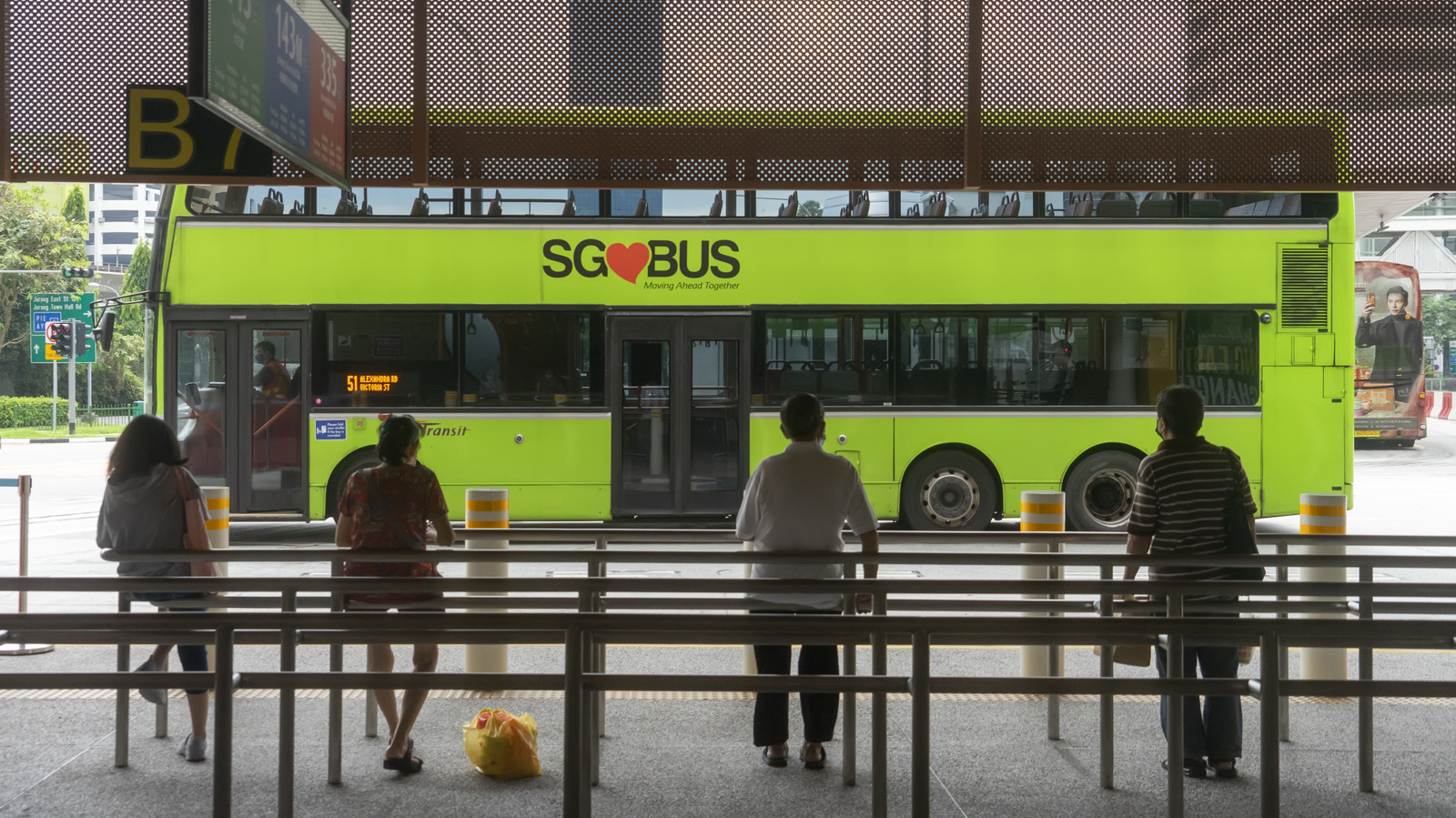
Singapore's transport authority has implemented strict new penalties for aggressive and disruptive behavior on public transit, with fines reaching as high as $3,900 for the most egregious offenses. The crackdown targets passengers who engage in road rage, verbal abuse, physical confrontations, and other forms of harassment on buses and trains across the island nation's tightly regulated transit network.
The penalty structure reflects Singapore's broader approach to public safety and social order. Minor infractions like eating or drinking in prohibited zones carry fines around $500. Mid-level violations, such as smoking or playing loud music without headphones, fall in the $1,000 to $2,000 range. The highest penalties apply to physical assault, threats, and severe harassment that disrupts service or endangers other passengers.
This enforcement push arrives as Singapore's public transportation system handles over 5 million daily commuters across buses and the Mass Rapid Transit system. Operators report rising incidents of passenger aggression tied to crowding, delays, and general commuting stress. The authority's response mirrors enforcement strategies in other densely packed Asian cities like Tokyo and Hong Kong, where behavioral standards on transit remain exceptionally high.
The timing of Singapore's crackdown reflects a global trend. Transit agencies worldwide face mounting pressure to maintain civility as ridership stress increases. Cities from New York to Los Angeles have struggled with fare evasion, assault on drivers, and disruptive behavior that discourages riders and exhausts staff. Singapore's aggressive fine structure aims to front-load deterrence before behaviors become endemic.
What distinguishes Singapore's approach is its severity relative to passenger income levels. A $3,900 fine represents roughly one week's gross income for median earners in the city-state, creating genuine financial sting. This aligns with Singapore's broader regulatory philosophy, where substantial penalties for minor infractions discourage violation recurrence.
Enforcement relies on surveillance cameras, driver reports, and plainclothes compliance officers stationed throughout the network. Transit workers now carry body cameras to document incidents. The authority also introduced rapid-response protocols that allow police to arrive at stations within minutes for active disturbances.
The policy carries cultural resonance in Singapore, where public order and social harmony rank as dominant civic values. Posters at transit stations emphasize courteous behavior and community responsibility. The messaging treats transit civility as a collective obligation rather than mere rule compliance.
Industry observers note the policy's potential effectiveness. When penalties carry real financial weight and enforcement appears consistent, behavioral change follows. Singapore's previous crackdowns on littering, jaywalking, and chewing gum violations produced measurable compliance improvements.
However, transit worker unions argue the penalties alone cannot solve systemic issues. Inadequate staffing, overcrowding during peak hours, and low driver wages create conditions that invite conflict. Workers' advocates call for parallel investments in service quality and workforce support alongside enforcement measures.
The rollout begins immediately, with transit operators training staff on incident documentation and escalation procedures. Regular review cycles will track penalty distribution across violation categories to identify any enforcement disparities by demographic group or route.