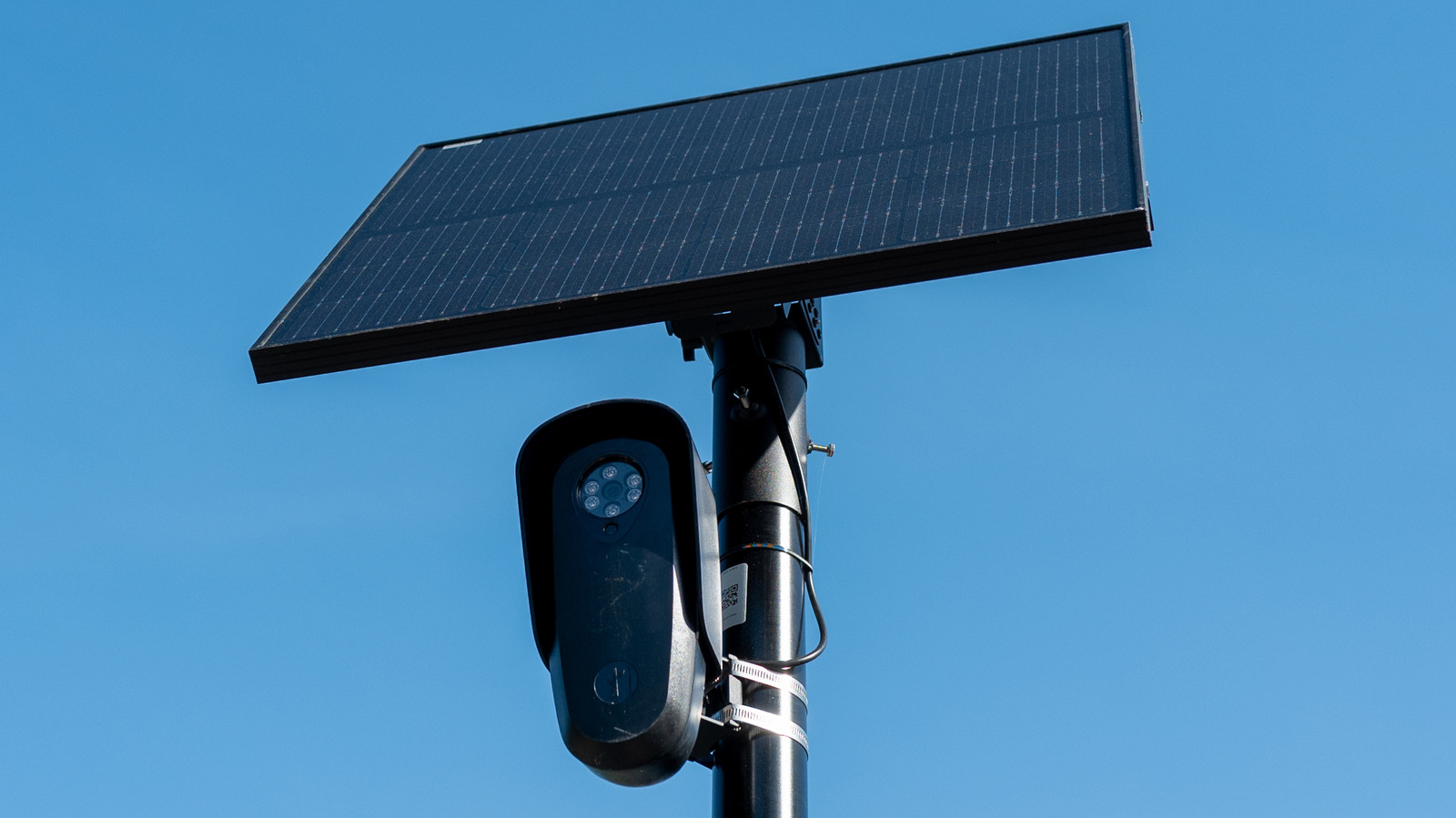
Flock Safety, the Atlanta-based automated license plate reader (ALPR) company, has forced the shutdown of a crowdsourced website that mapped the locations of its traffic cameras across the United States. The site, which operated as a public database, allowed users to identify and document where Flock's surveillance infrastructure had been installed in their communities.
Flock issued a cease-and-desist letter demanding the site's removal, citing proprietary concerns and intellectual property claims. The company argued that the publicly accessible camera locations constituted confidential business information that required legal protection. The shutdown demonstrates the tension between corporate surveillance infrastructure and community transparency efforts.
The timing highlights a broader debate in American policing and municipal technology. Flock Safety's ALPR cameras have become ubiquitous on U.S. roads, installed by law enforcement agencies, private parking operators, and city traffic departments. These cameras capture images of every vehicle license plate that passes through their field of view, creating searchable databases that police can query for investigations. However, critics argue that without clear maps of where these cameras operate, drivers cannot make informed choices about their movement or privacy.
The crowdsourced mapping project served a transparent function. Citizens documented camera locations voluntarily, creating a grassroots alternative to official disclosures that Flock or municipalities rarely provide. Law enforcement agencies purchasing Flock's systems typically don't publish camera locations publicly, limiting community awareness of surveillance infrastructure. The now-shuttered website filled that information gap.
However, the Internet Archive has already preserved the website's contents. Digital preservation means that the site's data survives beyond its live version, accessible through the Wayback Machine. This preservation illustrates a core internet principle: once information circulates widely enough, removing it from one location rarely eliminates it entirely.
Flock Safety's legal action raises questions about what constitutes proprietary information when surveillance hardware operates in public spaces. Camera locations themselves are observable by anyone driving past them, yet the company treats aggregate location data as confidential. This mirrors debates around government transparency, where agencies sometimes classify information that citizens could technically discover themselves but would require significant effort.
The situation reflects the growth of automated traffic surveillance in America. Flock now operates thousands of cameras across multiple states. Police departments integrate ALPR data into investigative workflows, and the technology has become standard for identifying stolen vehicles and locating suspects. Meanwhile, privacy advocates warn that comprehensive license plate databases create persistent tracking records of citizen movement.
Flock frames its cease-and-desist as protecting business information. The company emphasizes that camera locations help law enforcement respond faster to crimes. Disclosure, Flock argues, could compromise law enforcement effectiveness if criminals know where cameras operate.
Community transparency advocates counter that public knowledge of surveillance infrastructure is essential for democratic accountability. When citizens understand where surveillance occurs, they can engage in informed advocacy, request local policy changes, or challenge deployments in municipal meetings.
The shutdown of the mapping website represents a larger pattern. As surveillance technologies proliferate, companies and government agencies that deploy them often resist disclosure. Crowdsourced alternatives emerge to fill information gaps. Legal action then follows, creating an ongoing arms race between surveillance operators and transparency advocates.