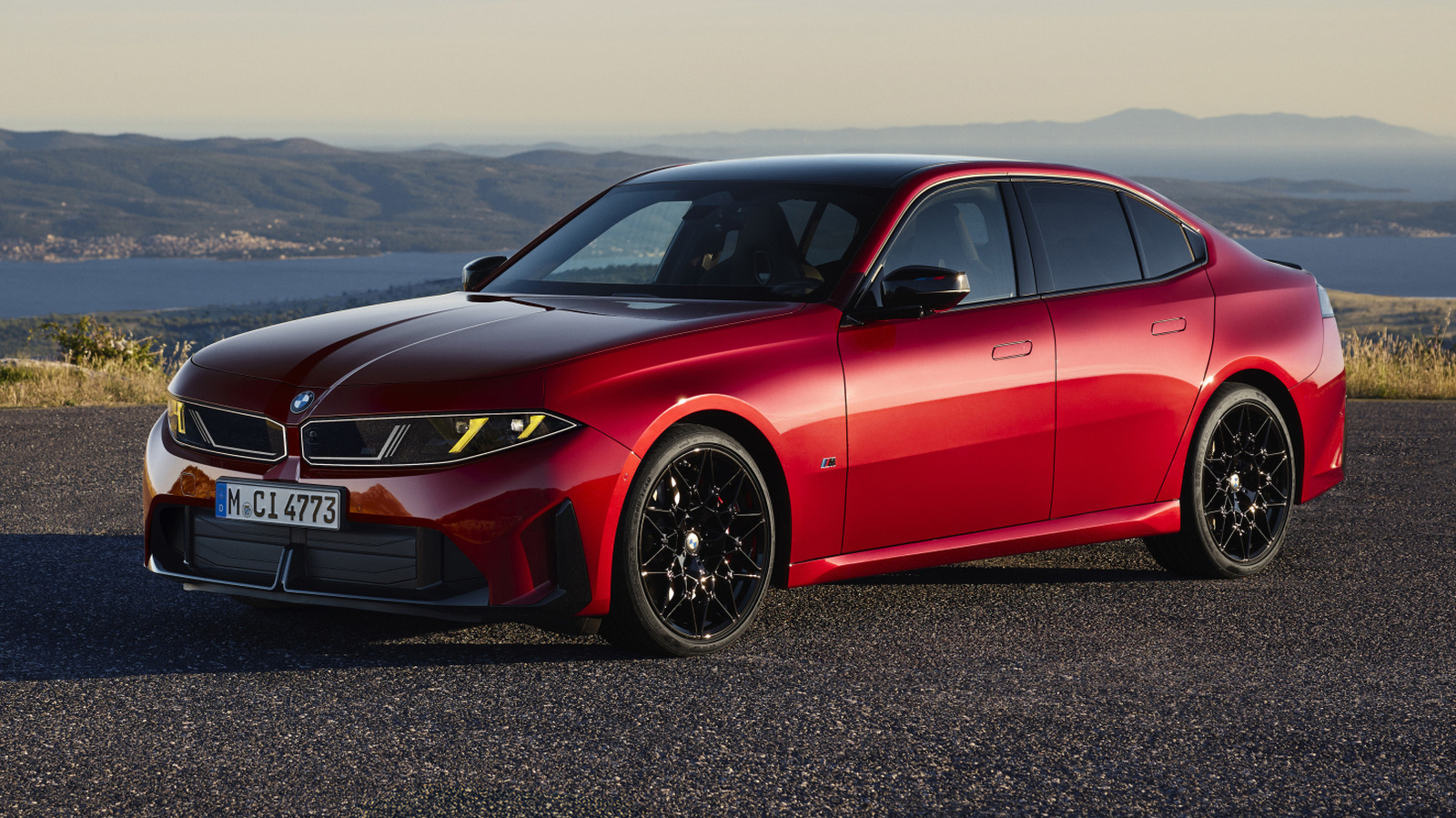
BMW's 2027 3 Series lineup confirms the German automaker's commitment to keeping combustion engines alive in its core sedans, even as the brand pivots toward electrification. The redesigned gas-powered 330 and M350 xDrive will share design language with BMW's Neue Klasse electric platform, but they operate on fundamentally different underpinnings.
The new gas models sit on a revised version of BMW's traditional rear-wheel-drive architecture, not the Neue Klasse EV platform that debuted with the i3 and i5. This distinction matters because it allows engineers to optimize each powertrain's strengths. The electric platform can't simply accommodate a six-cylinder engine without significant compromises, and vice versa. BMW recognizes that sedan buyers in core markets still demand conventional engines, particularly in the U.S. where electric adoption remains slower than Europe's trajectory.
The M350 stands as the flagship gas performer, wielding a 437-horsepower six-cylinder engine. It gets xDrive all-wheel drive as standard, marking a departure from the M340i's rear-wheel-drive focus. This positioning suggests BMW expects the M350 to appeal to luxury sedan buyers seeking performance without the EV transition. The standard 330 rounds out the combustion lineup, likely powered by turbocharged four-cylinder engines in various displacements.
Proportionally, the new gas 3 Series differs from its EV cousin in wheelbase, overhangs, and overall stance. The electric i3 benefits from a longer wheelbase that maximizes interior space with a flatter floor. The gas-powered sedan features different proportions optimized for its traditional platform architecture. Both generations share styling cues from the Neue Klasse design language, including updated grille work and lighting signatures, but these visual similarities mask substantive engineering differences.
This dual-platform strategy reflects BMW's pragmatic approach to the EV transition. Rather than forcing all customer segments into electric vehicles on artificial timelines, the company acknowledges that different buyers have different needs. Sedan buyers often prioritize charging infrastructure accessibility, drive range concerns, and long-distance capability. Gas engines still dominate this segment worldwide, and BMW won't abandon that market until demand fundamentally shifts.
The 2027 redesign also signals that gasoline will remain relevant in luxury sedans through the decade's end. Competitors including Mercedes-Benz and Audi maintain parallel gas and EV strategies for their core platforms. Porsche's willingness to develop synthetic fuels for future combustion cars underscores how premium manufacturers view continued investment in traditional powertrains as commercially necessary, not backward-looking.
For buyers, the 2027 330 and M350 offer a final chapter of conventional 3 Series performance before BMW's product cycle inevitably tilts further toward electrics in the 2030s. The M350's 437 horsepower positions it competitively against the Audi S4's 444 horses and Mercedes-AMG C43's hybrid powertrain. These rivals continue offering combustion engines precisely because demand persists among target buyers.
BMW's decision to engineer separate platforms rather than compromise either vehicle confirms that the automaker doesn't view gas and electric as interchangeable. Each demands its own architecture for optimal performance, efficiency, and customer satisfaction. The 2027 3 Series represents a mature coexistence strategy that will likely define the luxury sedan segment through 2030.