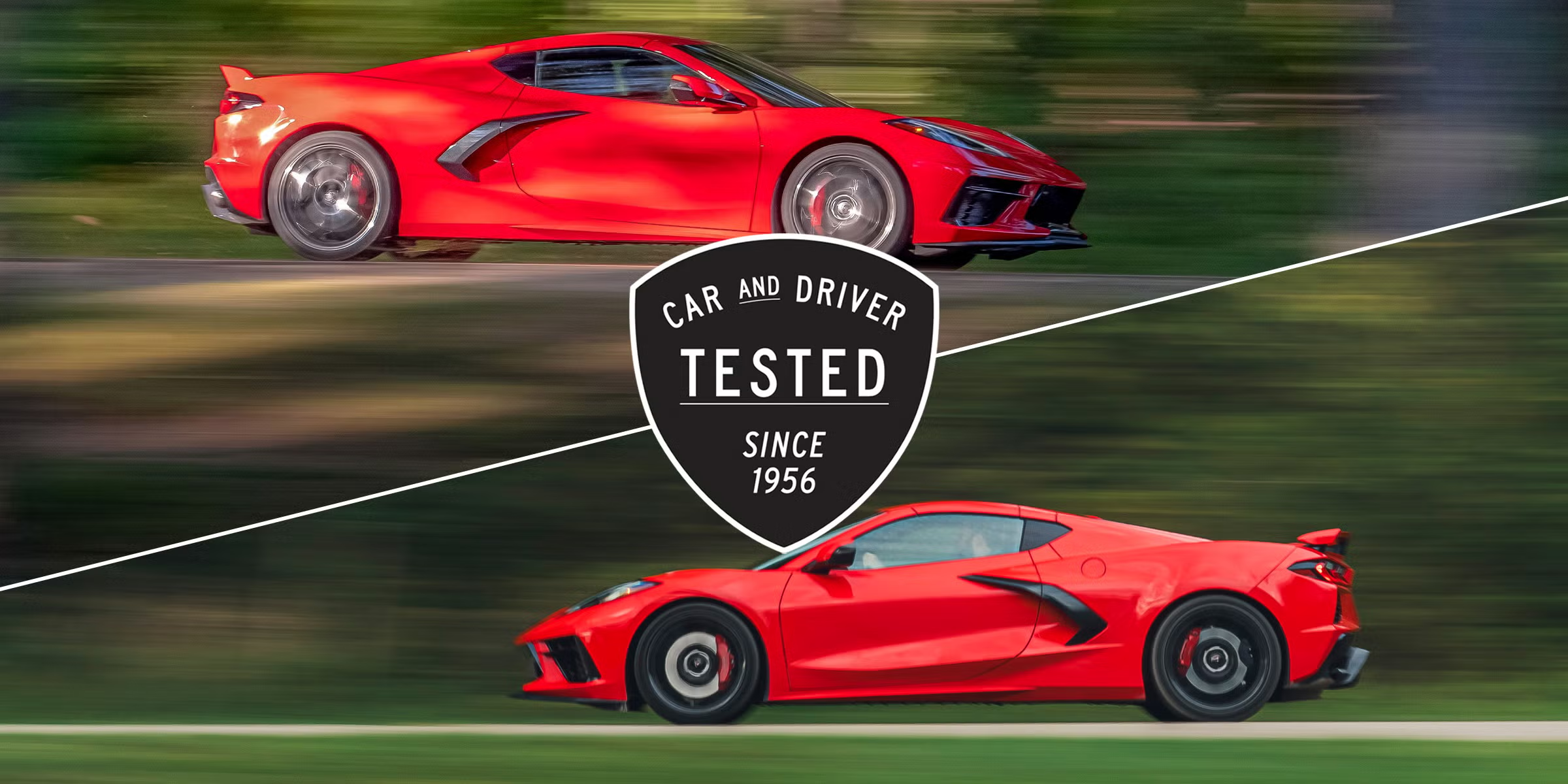
Chevrolet's latest Corvette Stingray arrives with a substantially revised engine lineup, and the performance numbers justify the engineering investment. The new LS6 6.7-liter naturally aspirated V-8 replaces the previous LT6 powerplant, delivering tangible improvements across horsepower, torque, and drivability metrics that reshape the mid-engine sports car's competitive position.
The LS6 generates 495 horsepower and 470 pound-feet of torque in standard configuration. When paired with the Z51 performance package, Chevrolet bumps output to 510 horsepower and 485 pound-feet of torque. Those gains matter on a car designed to attack apexes and crush quarter-mile times. The previous LT6 produced 495 horsepower across the board, meaning the base LS6 matches the old engine's peak output while the Z51-equipped variant breaks through to 510, a meaningful bump for drivers chasing lap times.
The real story extends beyond peak numbers. The LS6 architecture delivers broader torque delivery throughout the rev range, translating to sharper acceleration and more linear power curves. This engineering approach reduces the narrow power band that occasionally frustrated owners of the predecessor. Where the LT6 demanded precise throttle management and revs to shine, the LS6 builds thrust more progressively, making the Corvette genuinely easier to exploit on track and faster in real-world acceleration scenarios.
Chevrolet engineered the LS6 to consume regular 87-octane fuel without requiring premium, a practical advantage over the LT6's 91-octane mandate. That decision reflects cost-consciousness without performance sacrifice, a rare outcome in modern performance cars. Maintenance intervals stretch longer, and ownership costs decrease correspondingly. For buyers viewing a $65,000-plus sports car as genuinely usable rather than weekend-only theater, this matters.
The Z51 package bundles this enhanced engine with a more sophisticated suspension package, larger brakes, a slightly lower ride height, and aggressive aerodynamic upgrades. The combination positions the Corvette as a visceral alternative to the Porsche 911 Carrera and increasingly competitive against the Lamborghini Revuelto as it transitions to hybrid power. The mid-engine layout, near-ideal 50/50 weight distribution, and available eight-speed dual-clutch transmission create a chassis architecture that transforms engine improvements into lap-time reductions more efficiently than front-engine competitors.
Pricing begins around $65,495 for the base Stingray coupe, with the Z51 package adding approximately $6,000 to that figure. For that investment, buyers secure a bonafide supercar killer that seats two, handles American highways without punishing suspension geometry, and delivers genuine daily usability that exotics simply cannot match.
The LS6 upgrade signals Chevrolet's commitment to keeping the Corvette relevant as competitors sharpen their tools. Ford's GT500 Mustang and Dodge's upcoming Charger performance variants represent the industry's competitive landscape. Chevrolet's approach prioritizes engine responsiveness and ownership practicality over raw horsepower chasing, a philosophy that should resonate with buyers seeking performance depth rather than headline numbers alone.