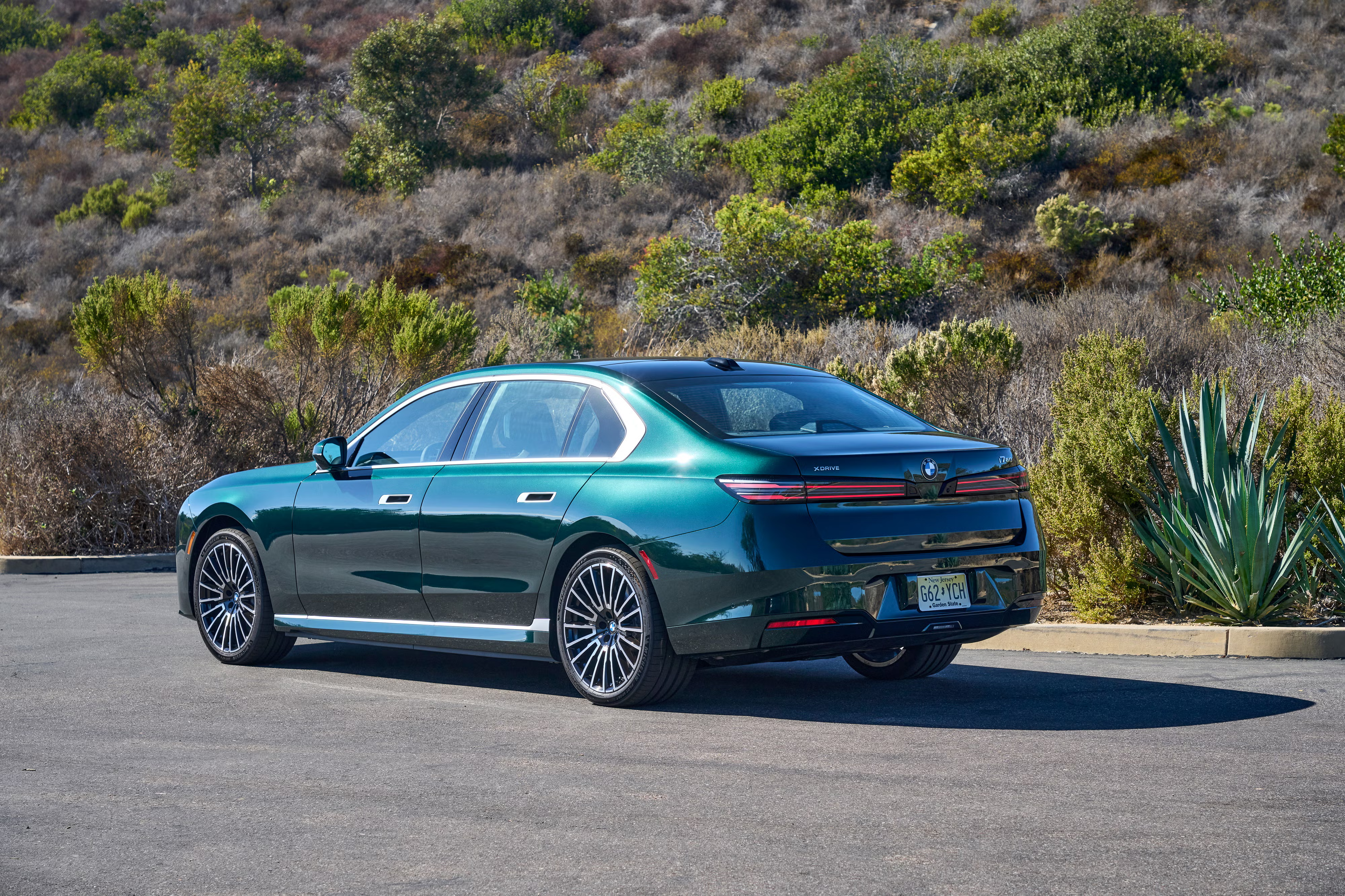
BMW's 2027 7-Series signals a substantial redesign for the German luxury sedan, with fresh exterior styling that modernizes the flagship while maintaining the marque's design language. The new generation introduces sharper lines, a recalibrated grille proportion, and revised proportions that distinguish it from its predecessor.
The 2027 model year marks the beginning of the fifth generation for BMW's most prestigious sedan. The design team refined the front fascia, reducing the visual dominance of the kidney grille that drew mixed reactions on recent models. The headlight clusters integrate LED technology with a cleaner geometric pattern, moving away from the fragmented appearance that characterized the current generation. The lower bumper section features a more integrated air intake design, balancing aggression with elegance.
Along the flanks, BMW extended the character line to emphasize length and presence. The shoulder crease runs from the front wheel arch through the rear door, creating definition without clutter. The roofline tapers more gradually toward the rear, contributing to a profile that appears both planted and aerodynamic. Wheels sit further out to the corners, a visual trick that enhances proportions and hints at improved interior space.
At the rear, the taillights adopt a horizontal emphasis rather than the vertical stacking seen in recent BMW models. The trunk lid extends further, creating an elongated deck that reinforces the sedan's traditional proportions. The diffuser treatment appears more restrained than some BMW concepts, suggesting production-ready refinement rather than theater.
The 2027 redesign arrives as luxury sedans face pressure from performance SUVs and crossovers. Mercedes-Benz recently refreshed its S-Class with evolutionary styling, while Genesis continues winning awards for its G90's restrained elegance. BMW's approach balances innovation with brand continuity. The company knows its core buyers expect the 7-Series to signal status through proportions and materials rather than aggressive visual shock.
Interior technology will likely receive comparable attention, though exterior photos alone reveal nothing about infotainment systems, materials, or digital interfaces. BMW's iDrive continues evolving, and expect the 2027 to showcase the latest iteration with improved voice control and integration with smartphone ecosystems.
Powertrain details remain speculative based on exterior imagery. The current generation offers twin-turbocharged inline-six and V-12 engines in different markets. The 2027 model will almost certainly include hybrid options, with a plug-in hybrid likely continuing alongside conventional powerplants. An all-electric BMW i7 already exists, so the combustion lineup may shift toward efficiency rather than adding displacement.
Pricing and availability data have not been announced. Expect the 2027 7-Series to reach dealers in late 2026, with pricing starting around current-generation levels, adjusting for inflation and added features. Dealers will reveal detailed specifications and option packages closer to launch.
The exterior redesign establishes visual continuity while signaling a new generation. BMW recognized that the 7-Series competes as much on understated confidence as raw performance. This refresh delivers exactly that message.