# California Emissions Rules Reshape the Aftermarket Parts Market
California imposes the strictest emissions standards in the United States, creating a bifurcated aftermarket parts ecosystem that confuses many vehicle owners and modifiers. Understanding the difference between California Air Resources Board (CARB) compliant components and federally legal alternatives determines what you can legally bolt onto your vehicle depending on where you live.
CARB sets emissions standards that exceed federal EPA requirements. When aftermarket manufacturers design exhaust systems, air filters, fuel management components, and catalytic converters, they must choose between two regulatory paths. CARB-compliant parts undergo rigorous testing and certification in California before hitting shelves. These components must not increase tailpipe emissions above factory baselines. Federal-only parts meet EPA standards but may produce higher emissions than CARB standards allow.
The practical consequence: you cannot legally install federally compliant but non-CARB-certified parts on any vehicle registered in California, regardless of model year. The California Air Resources Board actively enforces these rules through smog checks and vehicle inspections. Shops installing non-compliant components face significant fines. Vehicle owners caught with banned aftermarket emissions equipment during registration or inspection face registration denial and potential vehicle immobilization.
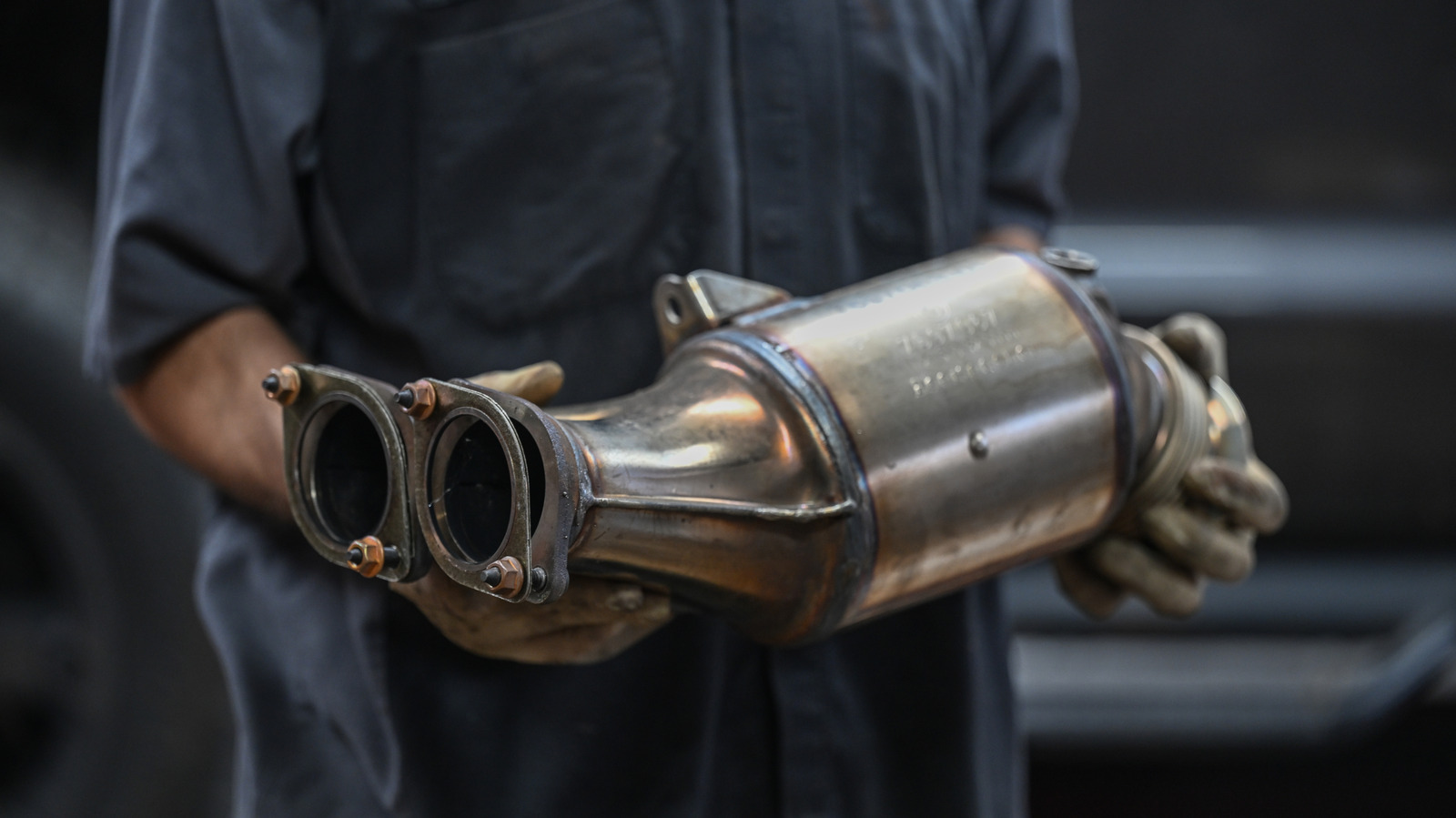
This regulatory divide creates real economic friction. Manufacturers must produce two distinct product lines for the same component. A high-flow catalytic converter sold in Texas differs chemically and functionally from an identical-looking unit certified for California sale. The CARB certification process costs manufacturers tens of thousands of dollars per component SKU, driving up prices for California consumers. A CARB-compliant cat-back exhaust system typically costs 15 to 25 percent more than its federal-only counterpart.
Performance enthusiasts in California operate within narrow constraints. Many popular modifications that improve horsepower, like cold air intakes and performance chips, violate CARB standards because they alter emissions parameters. Shops catering to California clients must stock expensive certified alternatives or decline profitable work. This regulatory burden pushes some tuning shops toward states with looser standards.
The enforcement gap matters too. Nevada, Arizona, and Utah shops sell non-compliant parts freely to buyers who then drive across state lines into California. The CARB board pursues repair shops and individual violators, but enforcement remains inconsistent across the state's thousands of service facilities. Online retailers often ship non-CARB parts to California addresses despite legal restrictions, forcing buyers to navigate murky legal territory.
Recent trends suggest CARB standards will influence federal regulations. The EPA increasingly adopts California emissions thresholds for new vehicle certifications. Manufacturers now design many new vehicles to California specs nationally, rather than maintaining separate emissions control systems. This convergence means aftermarket suppliers increasingly develop CARB-compliant parts first, treating federal compliance as secondary.
Vehicle owners in California should verify CARB certification before purchasing any emissions-related components. The CARB website maintains a searchable database of approved parts by vehicle make, model, and year. Installing uncertified parts creates legal liability, registration problems, and potential smog check failures. Out-of-state buyers moving to California with non-compliant aftermarket systems face expensive replacement costs to pass registration requirements.