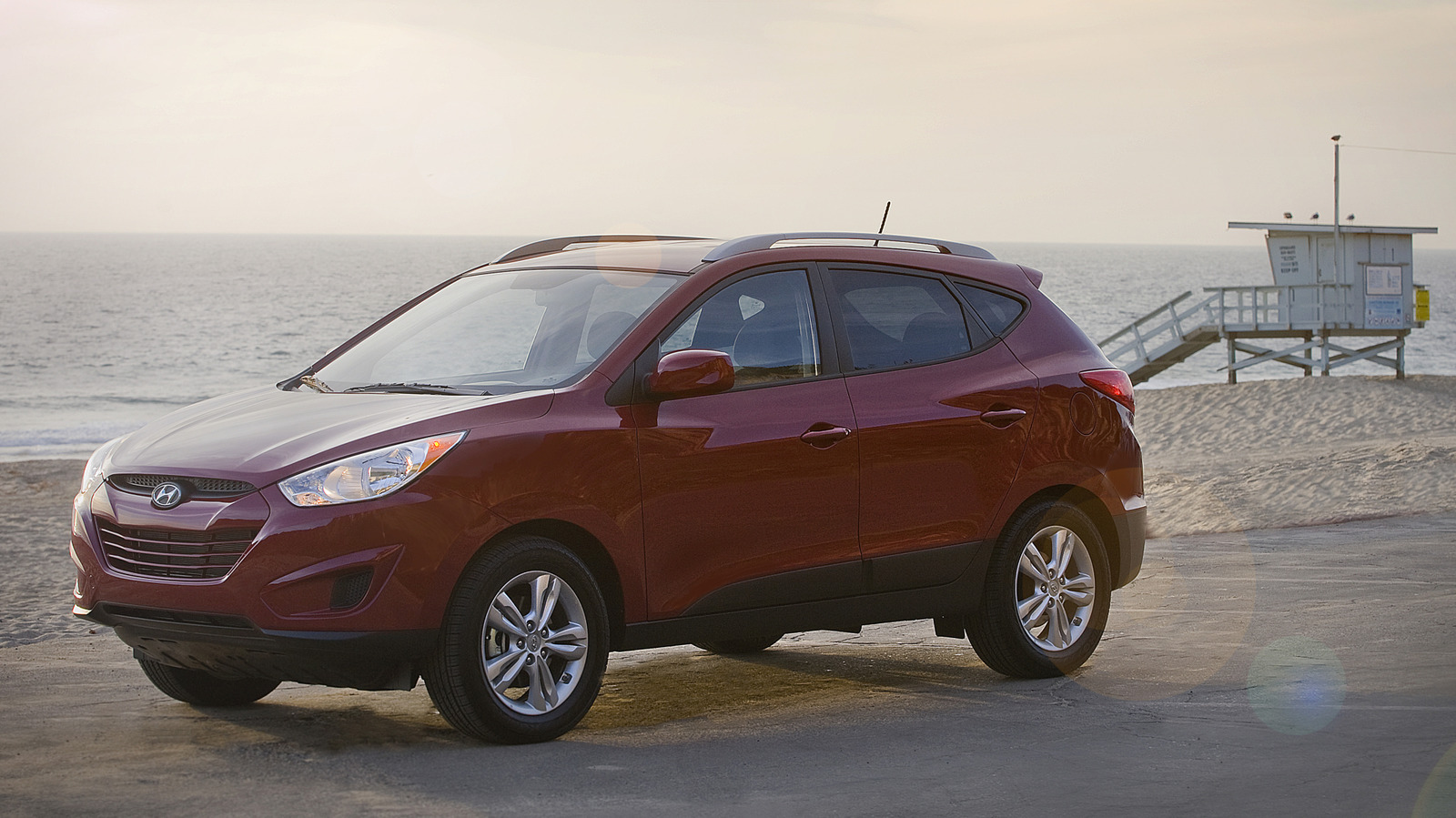
# Hunting for a Manual Hyundai Tucson: Your Decade-by-Decade Guide
The manual transmission is a dying breed in the American crossover market, and the Hyundai Tucson exemplifies this shift perfectly. If you're searching for a Tucson with three pedals, your window of opportunity closed years ago. Understanding which model years actually offered stick shifts separates serious buyers from those chasing a ghost.
Hyundai offered manual transmissions in the Tucson primarily during the first and second generations, spanning roughly 2005 through 2015. The first-generation Tucson, produced from 2005 to 2009, came with a five-speed manual across most trim levels as a base option. This generation paired the stick with a 2.0-liter four-cylinder engine producing 140 horsepower. The manual was straightforward and durable, though not particularly engaging for enthusiasts. Most buyers at that price point prioritized economy over driving experience anyway.
The second-generation Tucson, launched in 2010, initially continued the manual transmission trend through the 2014 model year. Hyundai paired a six-speed manual with a 2.0-liter turbocharged four-cylinder in higher trims, delivering 175 horsepower. By 2015, Hyundai had phased out the manual entirely across the Tucson lineup in North America. The decision reflected broader industry trends. Automatic transmissions improved in both efficiency and responsiveness, while consumer demand for manuals in crossovers never materialized.
When shopping for a manual Tucson today, condition matters enormously. These vehicles are now 9 to 19 years old. Check the clutch engagement point carefully. A worn clutch in a used Tucson means a $1,200 to $1,800 replacement job depending on labor rates in your region. Inspect the transmission for grinding noises during shifts, especially when cold. These manual gearboxes were robust but not immune to abuse.
Mileage tells part of the story. A manual Tucson with 60,000 miles represents better value than one at 150,000 miles, assuming similar condition. Manual transmissions tolerate higher mileage better than automatics, but clutch wear accelerates with aggressive driving or poor technique. Ask sellers directly about the clutch condition and service history.
Supply challenges are real. Used manual Tucson inventory tightens annually as these vehicles age out or get scrapped. Prices reflect scarcity. A manual-equipped second-gen Tucson typically commands 10 to 15 percent more than comparable automatics of the same year and mileage, simply because supply constraints push buyers into that premium. Regional availability fluctuates too. Rust-belt vehicles may show additional wear than southern examples.
Consider the alternative market. If a manual Tucson seems too scarce or expensive in your market, the Mazda CX-5 offered manuals through 2015 as well. The Subaru Crosstrek still carries a manual option into 2024, though availability keeps shrinking. Honda's CR-V dropped its stick in 2006, leaving the field sparse.
For purists unwilling to compromise, patience pays off. Expanding your geographic search radius or waiting for the right listing beats overpaying for a clapped-out specimen with transmission issues. Manual Tucsons exist in the used market, but they represent an increasingly niche choice that buyers must actively pursue rather than stumble upon.