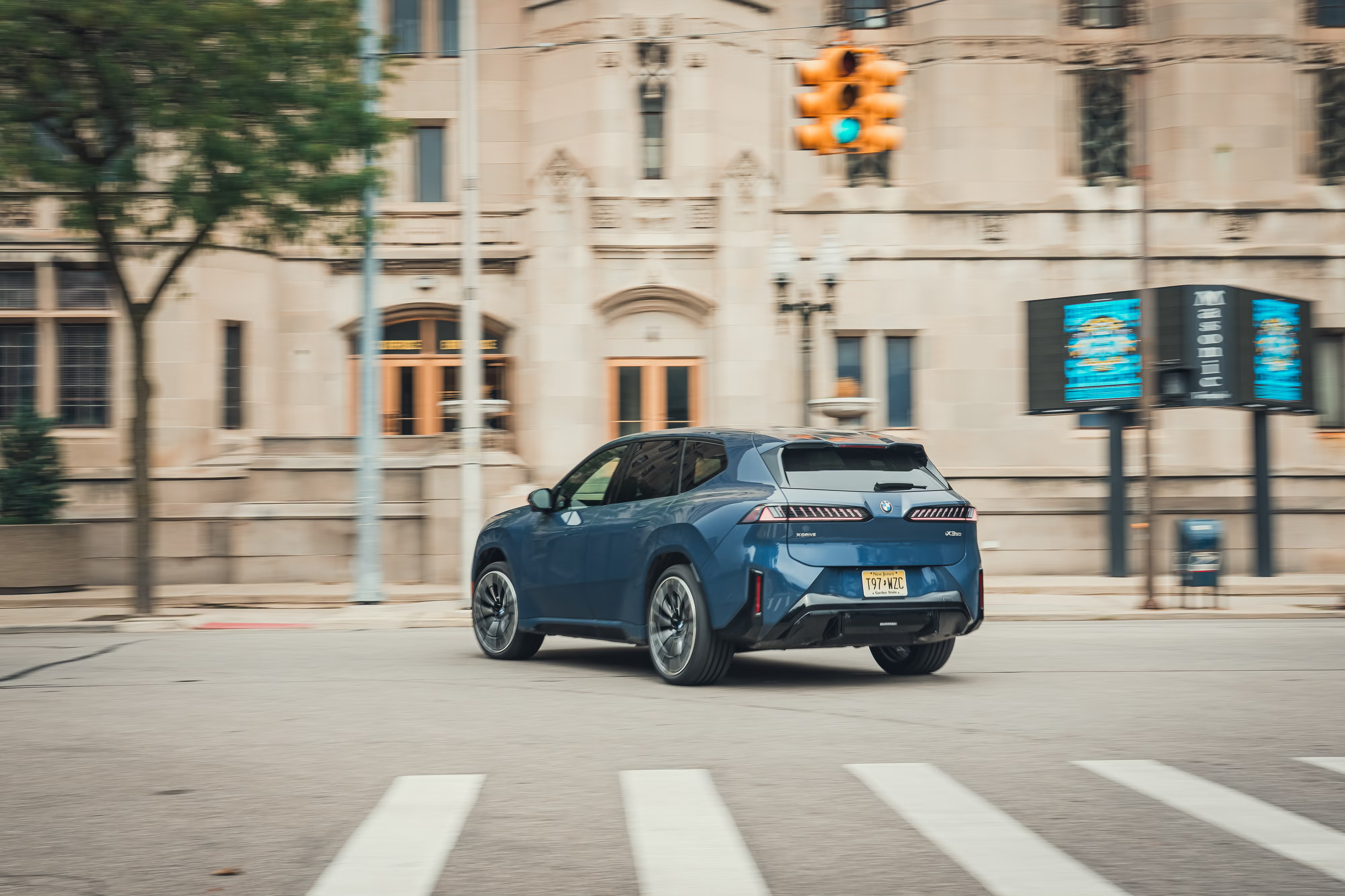
# 2027 BMW iX3 Proves Neue Klasse Platform Delivers on Electric Promise
BMW's next-generation electric platform is working. Car and Driver's first test of the 2027 iX3, built on the Neue Klasse architecture, confirms the Munich automaker has engineered a solid foundation for its EV future. The compact luxury crossover earns a passing grade, signaling that BMW's bet on a cleaner, more efficient platform will deliver real-world results when it hits showrooms.
The Neue Klasse platform represents BMW's most comprehensive rethinking of electric vehicle architecture in years. Unlike the iX3's current generation, which uses a conventional platform adapted for batteries, the new model starts from the ground up as an EV-first design. This fundamental shift allows engineers to optimize packaging, weight distribution, and battery integration in ways retrofitted platforms cannot match.
The test vehicle demonstrates tangible improvements in several critical areas. The driving experience feels more refined than existing BMW electric offerings. The powertrain delivers smooth acceleration without the hesitation some owners report in current-generation models. Handling remains composed, though the weight penalty of battery packs shows up in cornering compared to conventional BMWs. Steering feedback feels direct and engaged, a priority for the brand that other EV manufacturers have sacrificed for efficiency gains.
Battery efficiency appears competitive with class leaders like the Mercedes-Benz EQE and Audi Q6 e-tron. Real-world range numbers align with EPA estimates, a rarity in the EV market where testing conditions rarely reflect actual driving patterns. Charging speed over varied conditions maintains respectable performance, though not category-leading figures. The Neue Klasse platform supports faster charging architecture than current iX models, reducing time at DC fast chargers on road trips.
Interior design reflects BMW's commitment to simplification. The Neue Klasse iX3 drops unnecessary complexity in favor of clean lines and intuitive controls. Digital interfaces respond quickly without lag, a persistent complaint in rival luxury EVs. Materials feel appropriately upscale for the price point, though some plastic trim choices disappoint in top configurations.
The passing grade comes with caveats. Pricing remains a question mark. If BMW positions the 2027 iX3 much above current iX3 levels, it faces stiff competition from cheaper alternatives with similar specs. The Model Y remains a formidable competitor at every price point, and the Q6 e-tron raises the technological bar. BMW's brand prestige carries weight with buyers seeking luxury credentials, but electric vehicles increasingly compete on efficiency and value rather than traditional brand loyalty.
The test results matter beyond a single model. The Neue Klasse platform underpins multiple BMW products arriving through 2030. The architecture forms the backbone of BMW's electrification strategy across compact and midsize segments where most profit lives. Success here validates years of development investment and sets expectations for upcoming models in this family.
The iX3 launch timing positions BMW to capture consumer appetite for premium compact EVs before the market fragments further. Chinese automakers like NIO and XPeng continue closing the technology gap, while Tesla's manufacturing scale keeps prices competitive. The window for traditional German automakers to establish leadership in volume electric segments narrows yearly.
BMW's Neue Klasse platform delivers what the automaker promised. A competent, well-engineered electric crossover built on architecture designed for batteries rather than adapted from ice powertrains. The 2027 iX3 won't revolutionize the segment, but it confirms BMW remains capable of building competitive electric vehicles that justify premium pricing through engineering quality and driving dynamics.