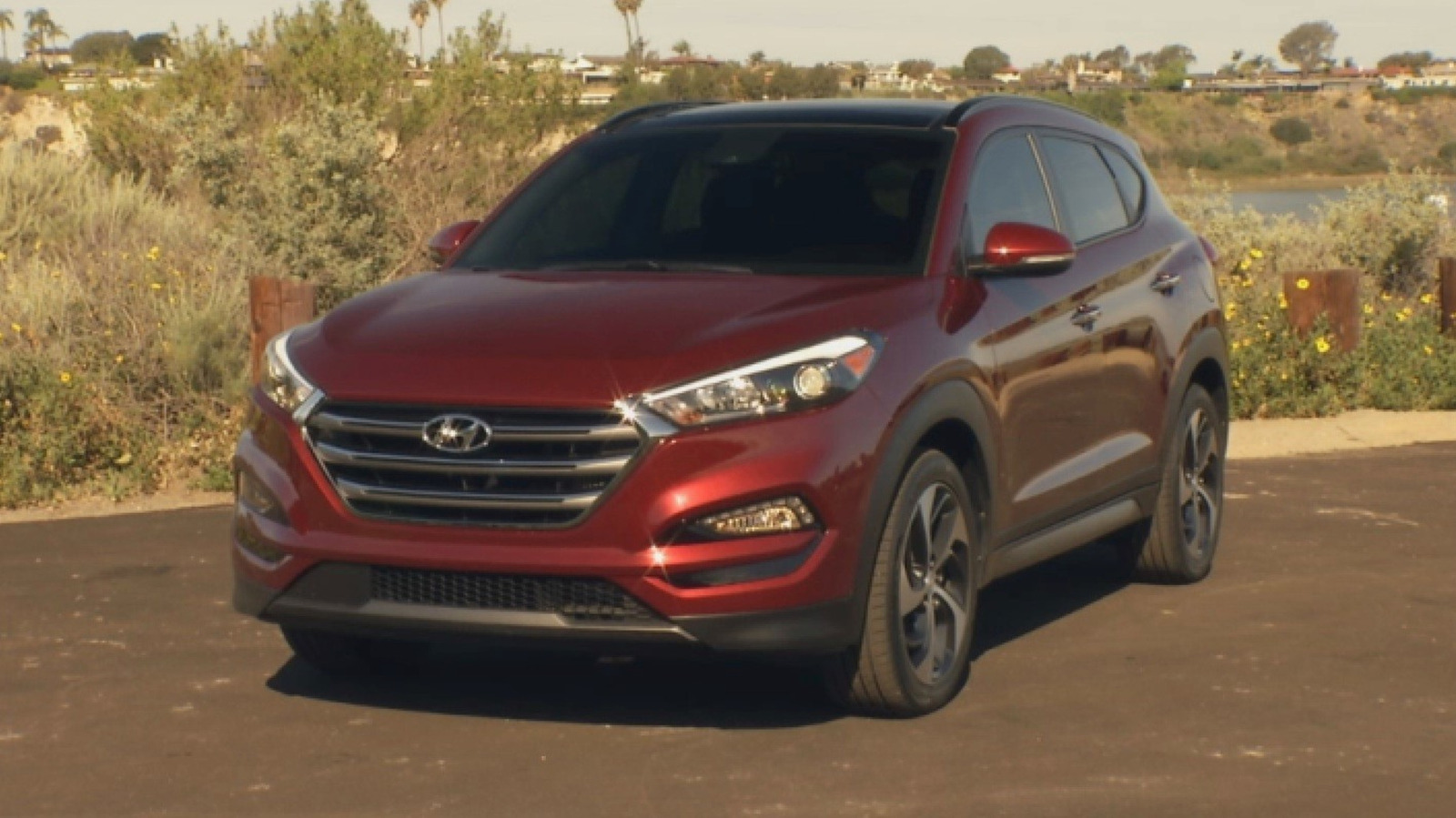
A Hyundai Tucson theft in the United States has exposed the human cost of car theft that goes far beyond insurance claims and replacement vehicles. The incident occurred when thieves stole a Tucson containing the cremated remains of both parents the night before their funeral service, transforming a family's period of grief into a crisis.
The theft underscores a broader epidemic affecting American drivers. Vehicle thefts have surged across the country over the past several years, with certain models becoming targets for organized theft rings. The Hyundai Tucson ranks among the most frequently stolen vehicles in North America, a distinction it shares with the Hyundai Elantra. Security researchers and law enforcement have linked this vulnerability to weak anti-theft protections in certain Hyundai and Kia models built between 2015 and 2021, which lack immobilizers in many variants. This design flaw has made these vehicles prime targets for thieves using relatively simple tools to bypass ignition systems.
Hyundai acknowledged these vulnerabilities and announced a software update in 2023 to address the issue. The company also offered extended warranties and free steering wheel locks to affected owners. However, patches and hardware additions cannot restore what was lost in cases like this theft.
For the family involved, the stolen Tucson represented far more than a vehicle. The cremated remains of both parents sat inside, intended to be laid to rest during a funeral service scheduled for the following day. The theft forced the family to navigate law enforcement agencies, insurance companies, and funeral arrangements while emotionally shattered. Police launched an investigation, though vehicle theft cases often go unsolved, particularly when organized rings operate across state lines or dismantle vehicles for parts.
This incident reflects a troubling pattern in American car theft. Organized theft rings operate with increasing sophistication, targeting specific models known for security weaknesses. These criminals sell stolen vehicles whole to export markets or break them down for parts sold through legitimate and illicit channels. Insurance data shows theft losses now exceed billions annually across the U.S., with some states and metropolitan areas experiencing crisis-level theft rates.
The Hyundai Tucson's theft vulnerability stems partly from cost-cutting measures during manufacturing. Immobilizers, which prevent engines from starting without the correct electronic key signal, represent proven anti-theft technology but add to production costs. Hyundai prioritized affordability over security in certain model years, a calculation that now costs the brand reputation and creates liability exposure.
Owners of vulnerable Hyundai and Kia models now face a choice: accept elevated theft risk, invest in aftermarket security, or migrate to brands with stronger baseline protections. Thieves exploit known weaknesses ruthlessly. In this case, a family's most precious cargo became collateral damage in a crime that reflects systemic failures in vehicle security standards and enforcement against organized theft operations.
The recovery of the ashes and vehicle remains unknown, leaving unanswered questions about whether the Tucson was recovered and under what conditions. What remains certain is that this theft represents a failure by manufacturers to prioritize security and a broader failure to stem organized vehicle theft in America.