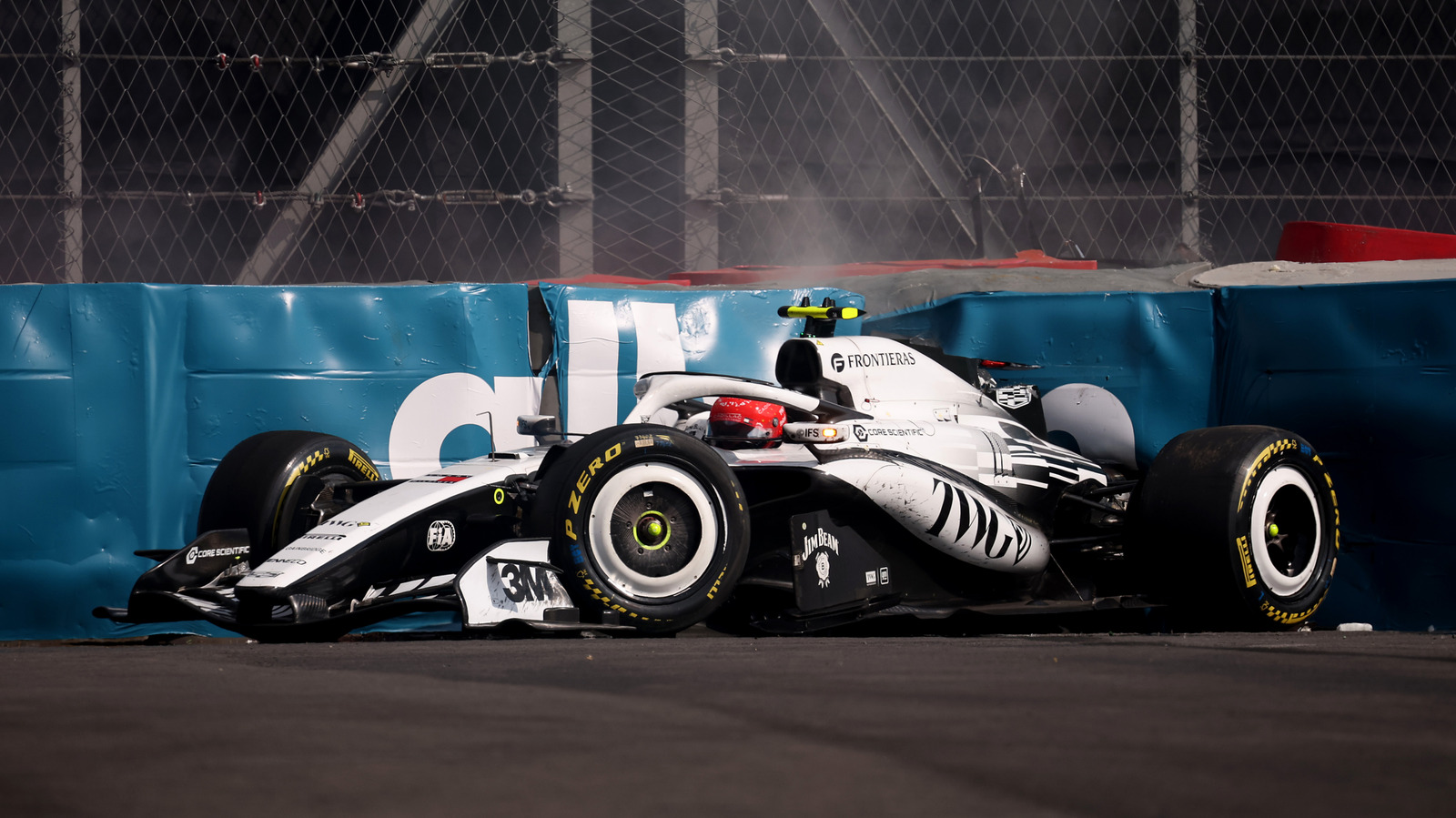
When Mark Walter's TWG Group purchased Andretti Global and its Formula 1 entry bid in 2024, it seemed like a watershed moment for American motorsport. A billionaire financier with proven success in professional sports—having purchased the Los Angeles Dodgers in 2012 for $2.15 billion—was finally bringing a factory team back to F1. The reality has proved far messier. Now, just one year after spending over $1 billion to launch the Cadillac F1 Team, with nearly half that total consumed by an anti-dilution fee, Walter is already looking to bail out at a $3 billion valuation. This isn't merely a business adjustment; it's a cautionary tale about what happens when personal financial trouble collides with sporting ambition.
The timing of Walter's sudden F1 exit cannot be separated from his legal predicament. According to The Wall Street Journal, the U.S. Department of Justice and the Securities and Exchange Commission are investigating how TWG-owned insurance companies lent billions of dollars to Walter's other enterprises. An internal review found that $20 billion in loans weren't disclosed to financial regulators. When you're facing that kind of federal scrutiny, a $1 billion+ racing team becomes expendable. Walter's August sale of the Los Angeles Lakers to Josh Kushner's Thrive Capital for $12.5 billion—a team he'd owned for less than a year after purchasing it for $10 billion—signals a man liquidating assets at speed.
The Cadillac team's operational failures have compounded Walter's exit strategy. The team has yet to score a single point in its maiden campaign. Team principal Graeme Lowdon was replaced in August. Perhaps most damaging: American driver Colton Herta, supposedly a cornerstone of this American team narrative, still hasn't secured his Super License, partly because Cadillac misreported his past results to the FIA after mistakenly trusting an error on an IndyCar website. This isn't the performance trajectory Walter likely envisioned when he was writing massive checks.
For Formula 1, the silver lining depends entirely on who buys the team. Fenway Sports Group, which owns the Boston Red Sox, Liverpool F.C., and RFK Racing in NASCAR, is the favorite among several bidders. FSG represents continuity—importantly, General Motors also owns a stake in the team and is developing its in-house F1 power unit program. A sale to FSG keeps that partnership intact and gives the American F1 project a chance to recover from its disastrous debut under Walter's chaotic stewardship.
Walter's impending departure from Formula 1 proves that money and sports ownership experience don't guarantee success in racing. Sometimes they mask deeper problems. The federal investigations, the frantic asset sales, the pointless maiden season—they all suggest that Walter treated F1 the way he treats everything else: as a financial play, not a long-term sporting commitment. Formula 1 deserves owners who understand that lesson.