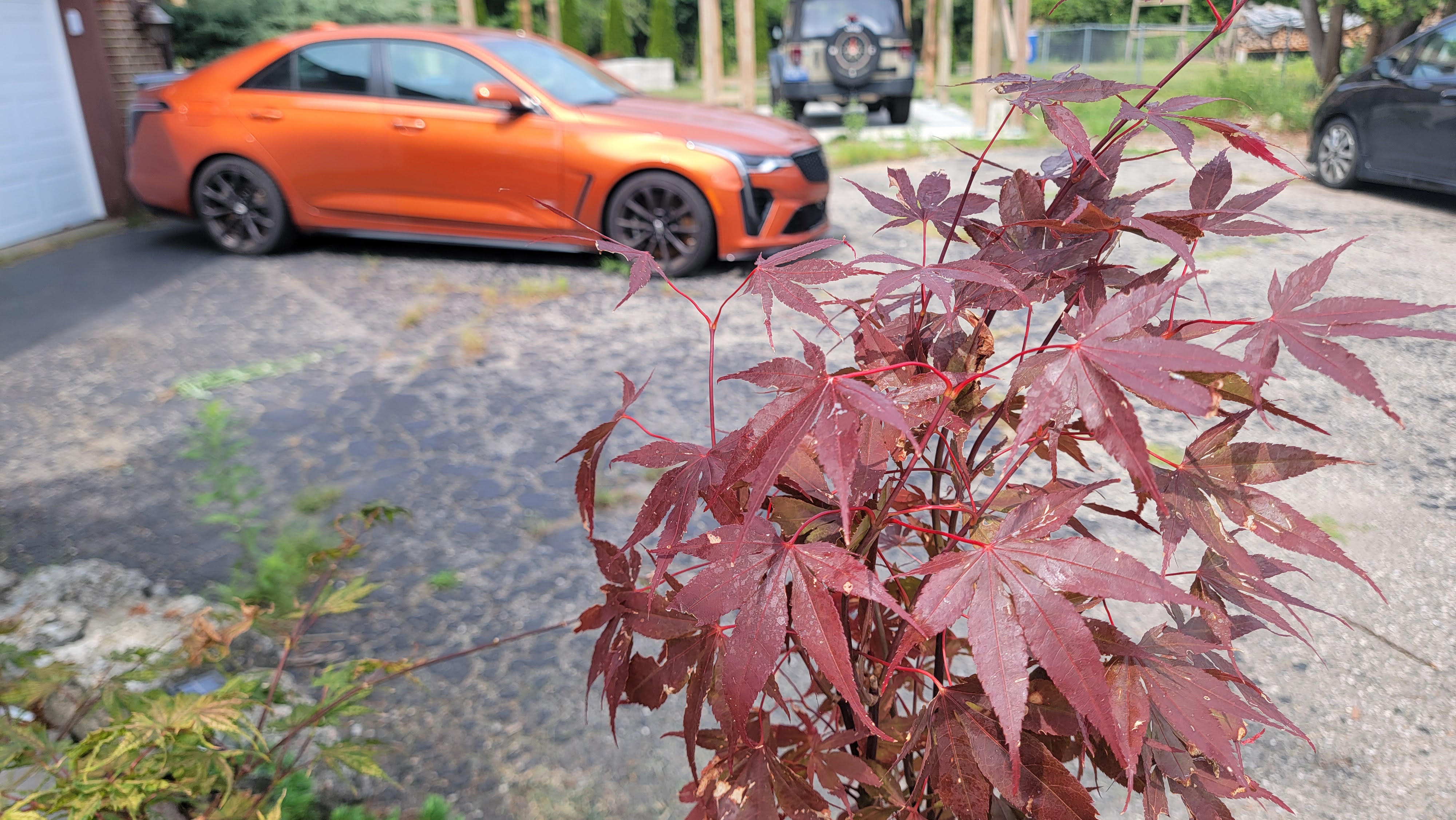
Automakers are pricing young buyers out of the enthusiast car market through aggressive markups and limited affordable options, threatening the future of the performance segment itself. The crisis mirrors a business lesson from unexpected quarters: a family tree nursery that built customer loyalty by offering starter plants at rock-bottom prices, knowing early adopters become lifetime buyers who spend significantly more as they mature.
Today's sports cars and performance models command premiums that make entry-level ownership impossible for the demographic that historically fueled the enthusiast movement. A used Dodge Charger or Challenger once represented an achievable dream for a 25-year-old gearhead. Now, dealer markups and inflated secondary market prices push these machines beyond reach. Meanwhile, manufacturers have largely abandoned the affordable, driver-focused coupe and sedan categories that created brand loyalty and spawned the next generation of buyers willing to spend big money on flagships and limited editions.
The Chevrolet Camaro's discontinuation, the Dodge Charger and Challenger's final model year, and Ford's pivot away from affordable performance vehicles illustrate the retreat. Manufacturers chase maximum profit per unit rather than market penetration. They've concluded that 500 Corvettes sold at $70,000 generates more revenue than 10,000 affordable sports cars at $35,000. The math works in the short term.
The damage compounds over decades. A 16-year-old today cannot aspire to own the car that defines her generation. She cannot build mechanical knowledge through ownership and modification. She cannot experience the community. By the time she enters the workforce earning real money, her formative automotive years have passed. She buys a crossover instead. The enthusiast pipeline breaks.
Manufacturers and dealers optimizing for today's margins are strangling tomorrow's market. The tree nursery understood that cheap entry products built an ecosystem of customers who eventually bought