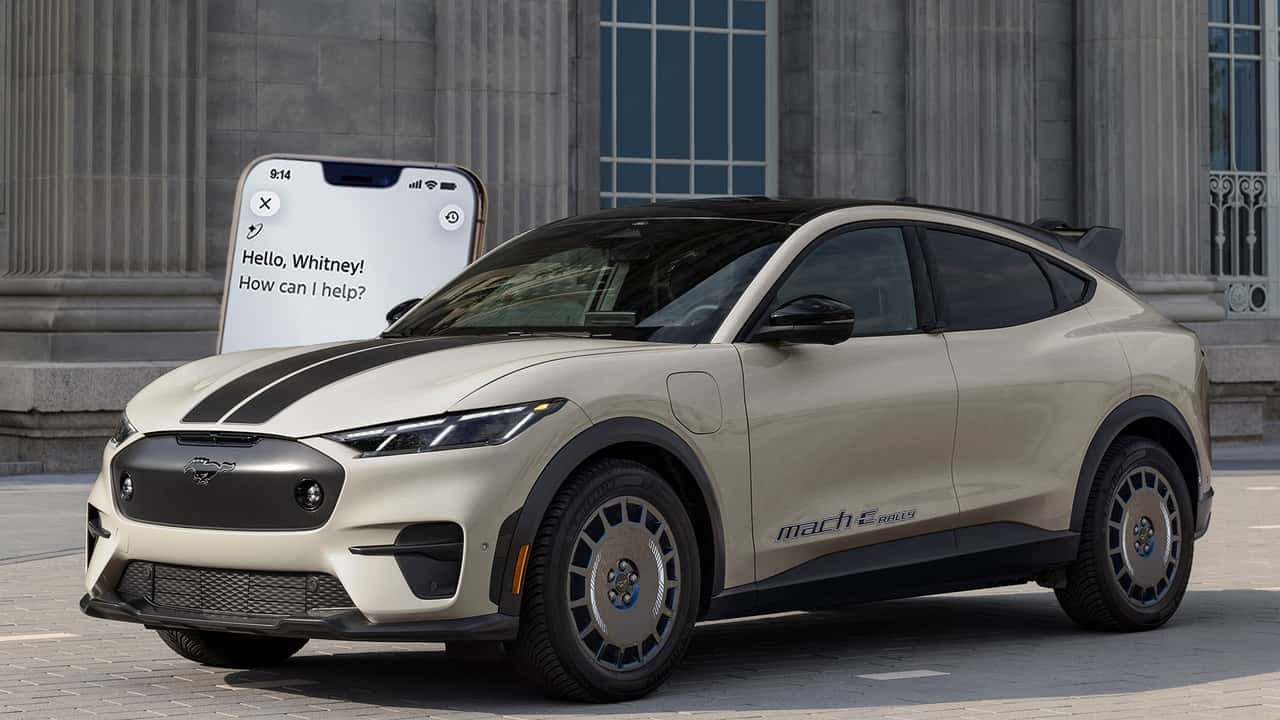
Ford is rolling out an AI assistant that lets owners interact with their vehicle's manual and diagnostic data through a chatbot interface. The system allows drivers to ask questions about specific features, maintenance procedures, and troubleshooting steps instead of hunting through physical manuals or menus.
The chatbot accesses a vehicle's diagnostic information, meaning it can potentially identify issues and suggest solutions based on what the car itself reports. Ford hasn't disclosed which models receive this feature first or a specific launch timeline, but the capability represents a practical application of generative AI in automotive ownership.
This move addresses a real pain point. Modern vehicles pack hundreds of features buried in dense digital manuals that most owners never fully explore. A voice or text query about "why is my check engine light on" or "how do I sync my phone" beats scrolling through a 400-page PDF. The diagnostic integration adds value by tapping data the vehicle already collects.
The competitive landscape matters here. Tesla's integrated software ecosystem already offers intuitive controls and centralized information. Traditional automakers lag in software sophistication, and Ford recognizes this gap. GM and other manufacturers are investing heavily in digital-first platforms, but Ford's AI assistant could differentiate its ownership experience without requiring complete hardware overhauls.
The real test comes down to execution. Does the chatbot actually understand context and deliver helpful answers, or does it default to generic responses from the manual? Voice recognition quality, response speed, and integration with existing Ford infotainment systems will determine adoption rates.
Ford faces pressure to improve customer satisfaction in the post-purchase phase. While this AI tool won't fix fundamental software or reliability issues, it removes friction from the ownership experience. Owners spend more time living with their cars than test driving them. Tools that make vehicle ownership simpler and less frustrating matter more than most automakers acknowledge.