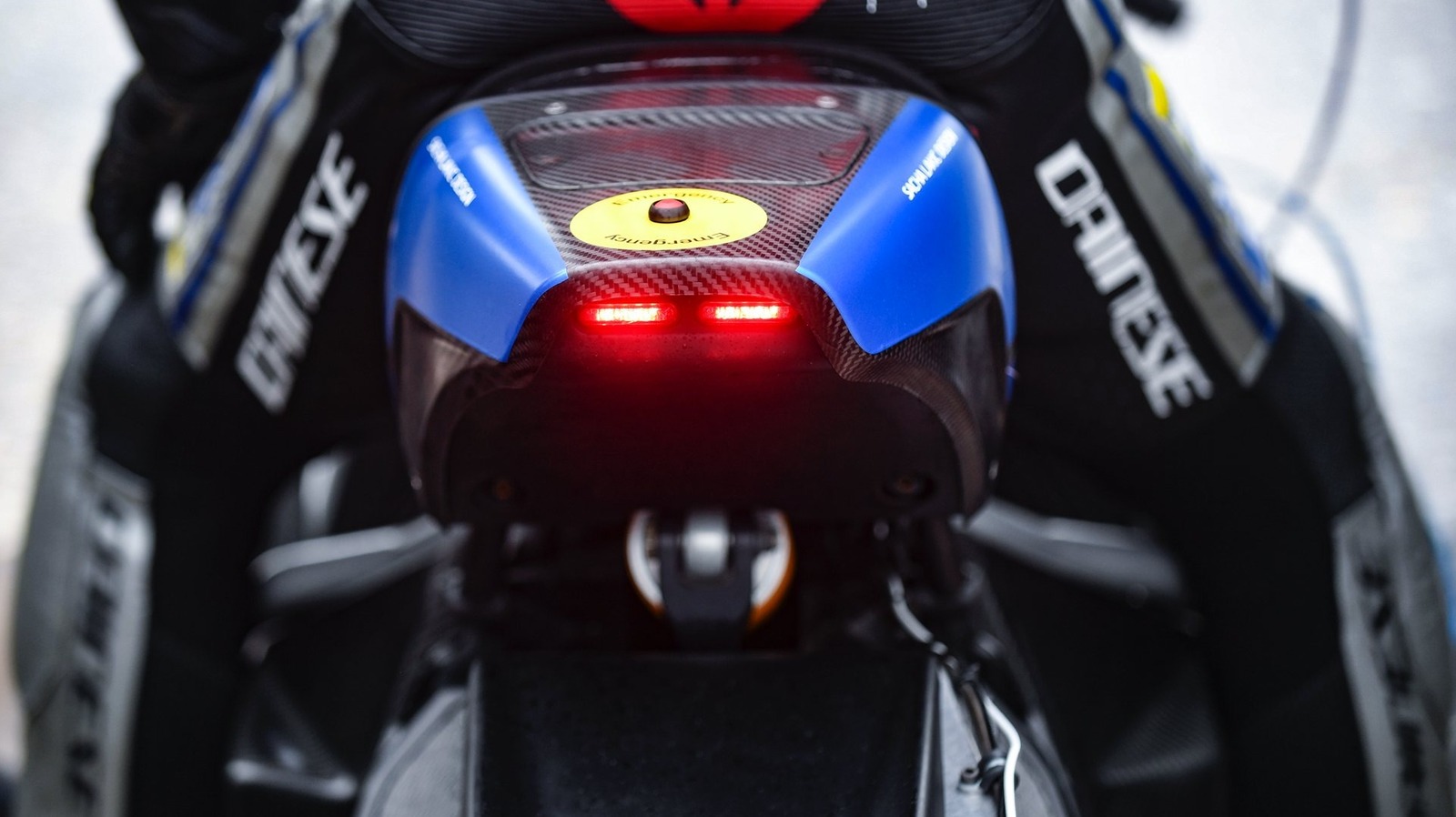
An electric motorcycle has eclipsed one of the automotive world's most celebrated speed records. The fastest electric bike on the planet now accelerates quicker and reaches higher velocities than the Koenigsegg Agera RS, the Swedish hypercar that holds multiple top-speed benchmarks.
The Koenigsegg Agera RS previously dominated straight-line acceleration comparisons with its 1,360-horsepower twin-turbo V8 engine and 278 mph top speed. That machine remains a pinnacle of internal combustion engineering. However, electric motorcycle technology has advanced to the point where battery-powered two-wheelers now surpass even that legendary performance envelope.
Electric motorcycles represent a fundamental shift in how manufacturers approach acceleration and top speed. Unlike traditional gasoline bikes constrained by mechanical gearing and RPM limits, electric motors deliver maximum torque instantly from standstill. No gear changes. No lag. No compromise.
The fastest electric bike achieves this through advanced battery technology, regenerative braking systems, and lightweight construction. These machines weigh substantially less than the Agera RS, which tips the scales at 1,330 kilograms. A lighter platform means acceleration translates more directly into motion. Battery packs now offer sufficient energy density and discharge rates to sustain high-speed runs without degradation.
This development underscores the broader transition occurring across the automotive and powersports industries. Electric propulsion no longer sacrifices performance for sustainability. Instead, the technology fundamentally rewrites what speed and acceleration mean.
The Agera RS remains a masterpiece of internal combustion design. Its aerodynamics, engine tuning, and transmission optimization represent decades of refinement from Koenigsegg, a manufacturer obsessed with precision and extremity. Yet even that expertise cannot overcome the inherent advantages electric motors possess in instantaneous power delivery and efficiency.
For the motorcycle industry, this record carries outsized significance. Motorcycles lack the weight penalty that burdens four-wheeled electric vehicles. A bike needs fewer batteries to achieve extraordinary performance. The power-to-weight ratio becomes almost absurd when engineers strip away combustion engine complexity and couple a lightweight frame with a high-output electric motor.
This does not mean gasoline bikes become obsolete tomorrow. Tradition runs deep in motorcycle culture. Range anxiety, charging infrastructure, and battery cost still matter to consumers. Yet the fastest-bike-on-Earth record now belongs to electricity, not petrol. That milestone changes narratives around electric performance.
Manufacturers from established brands to startups now race to claim speed records in the electric two-wheeler space. These efforts generate massive publicity and prove that electric drivetrains work for performance applications, not just commuter transport. A rider can experience genuine, visceral acceleration from a battery-powered machine.
The comparison to the Koenigsegg Agera RS matters precisely because it sits at the apex of gasoline performance. Beating that machine's top speed with a motorcycle, let alone an electric one, demands engineering excellence across every component. It proves electric propulsion has matured from novelty to legitimate competition against the very best internal combustion offers.