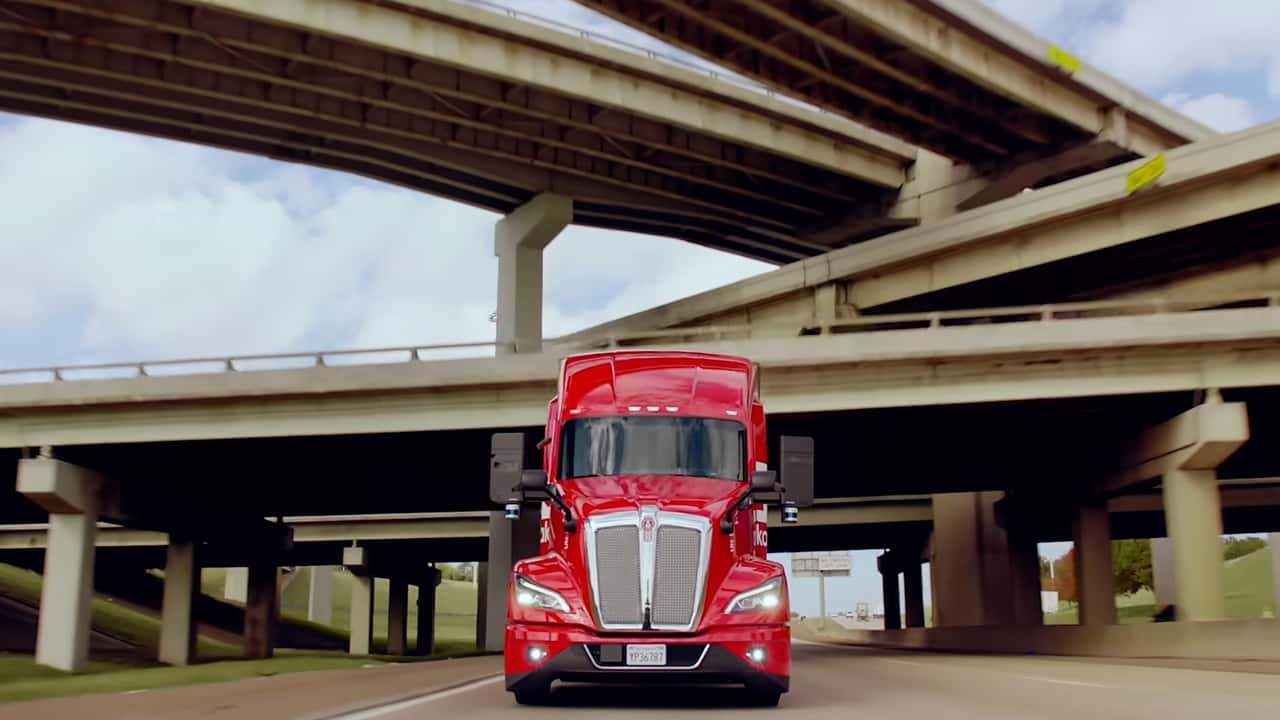
California's Department of Motor Vehicles has issued the first permits allowing companies to test heavy autonomous trucks on public roads. This marks a watershed moment for commercial autonomous vehicle deployment in the state.
The permits grant approval for autonomous heavy-duty vehicles, a category that includes Class 8 trucks weighing over 33,000 pounds. This distinction matters because autonomous trucking addresses a specific industry pain point: long-haul freight faces persistent driver shortages and rising labor costs. Companies pursuing this technology can now validate their systems in real-world conditions rather than closed tracks.
Several autonomous trucking startups operate in this space. Waymo Via, the Google-backed freight division, has been testing autonomous semis in Arizona and New Mexico. Aurora Innovation focuses explicitly on long-haul trucking with its flagship platform. Kodiak Robotics targets similar routes. These companies have invested billions developing Level 4 autonomous systems capable of handling highway driving without human intervention.
California's permit system differs from Arizona's lighter regulatory approach. The state requires detailed safety protocols, remote monitoring capabilities, and restricted testing zones. Companies must demonstrate their vehicles can handle California's dense traffic corridors, variable weather, and complex interchange scenarios. This rigor could slow deployment but builds confidence in the technology's readiness.
The timing aligns with industry consolidation. Uber Freight shut down its autonomous truck division in 2023, reallocating resources to startups like Aurora and Waymo. Tesla's Semi remains in limited production and focuses on conventional electric propulsion rather than full autonomy.
Insurance and liability frameworks remain unsettled. California's permits establish precedent but don't resolve broader questions about accident responsibility, data ownership, or platooning regulations. The trucking industry watches closely. Full autonomy could reshape logistics economics, but driver acceptance and regulatory clarity will determine adoption speed.
These California permits represent a transition from research to deployment validation.