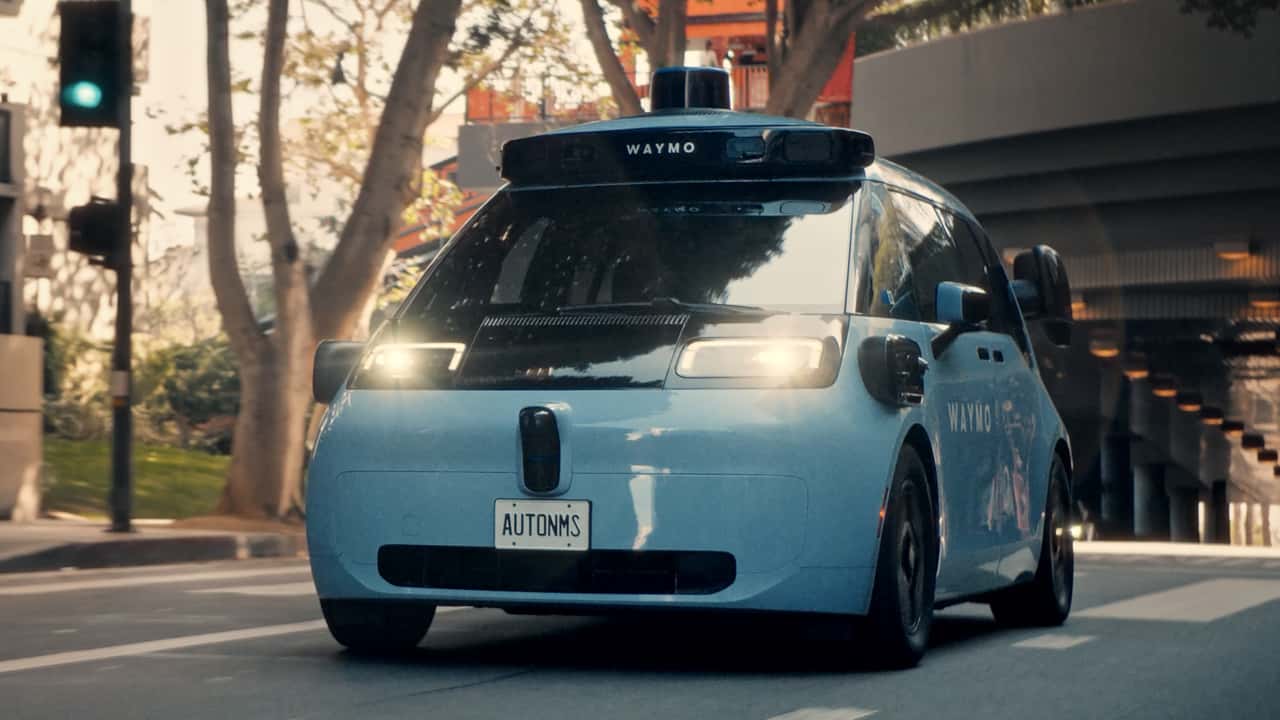
Waymo has deployed its robotaxi service using Zeekr minivans equipped with the company's sixth-generation autonomous driving hardware and software. The Chinese-built vehicles mark an expansion of Waymo's commercial robotaxi operations beyond its existing Jaguar I-PACE lineup.
The Zeekr vans represent a significant operational shift for Waymo. The minivan body style offers substantially more passenger capacity than the sedan platform Waymo previously relied on. This geometry allows the company to serve group trips and larger parties more efficiently, improving revenue per vehicle and expanding addressable use cases.
Waymo's sixth-generation stack handles the autonomous driving workload. The hardware suite includes advanced sensors, compute modules, and redundant safety systems designed to handle real-world urban environments. The software layer processes sensor data in real time to make routing, speed, and maneuver decisions without human intervention.
Partnering with Zeekr, the Geely-owned Chinese EV manufacturer, gives Waymo access to production capacity and vehicle platforms outside traditional Western automakers. Zeekr builds electric vehicles at scale across multiple segments. This relationship sidesteps traditional delays in partnering with Detroit or European OEMs, which face their own electrification demands and legacy product commitments.
The move reflects industry momentum toward robotaxi deployment. Cruise, Waymo's principal competitor, suspended autonomous ride-hailing operations in 2023 following a pedestrian incident. Waymo has used that window to expand service areas and build commercial viability. Multiple cities now host Waymo robotaxis accepting paying passengers.
Minivans present distinct operational advantages over sedans. Larger cargo space accommodates luggage. Higher ceiling clearance improves passenger comfort. The body style appeals to families and group travelers. However, minivans carry poorer public perception than cars in many Western