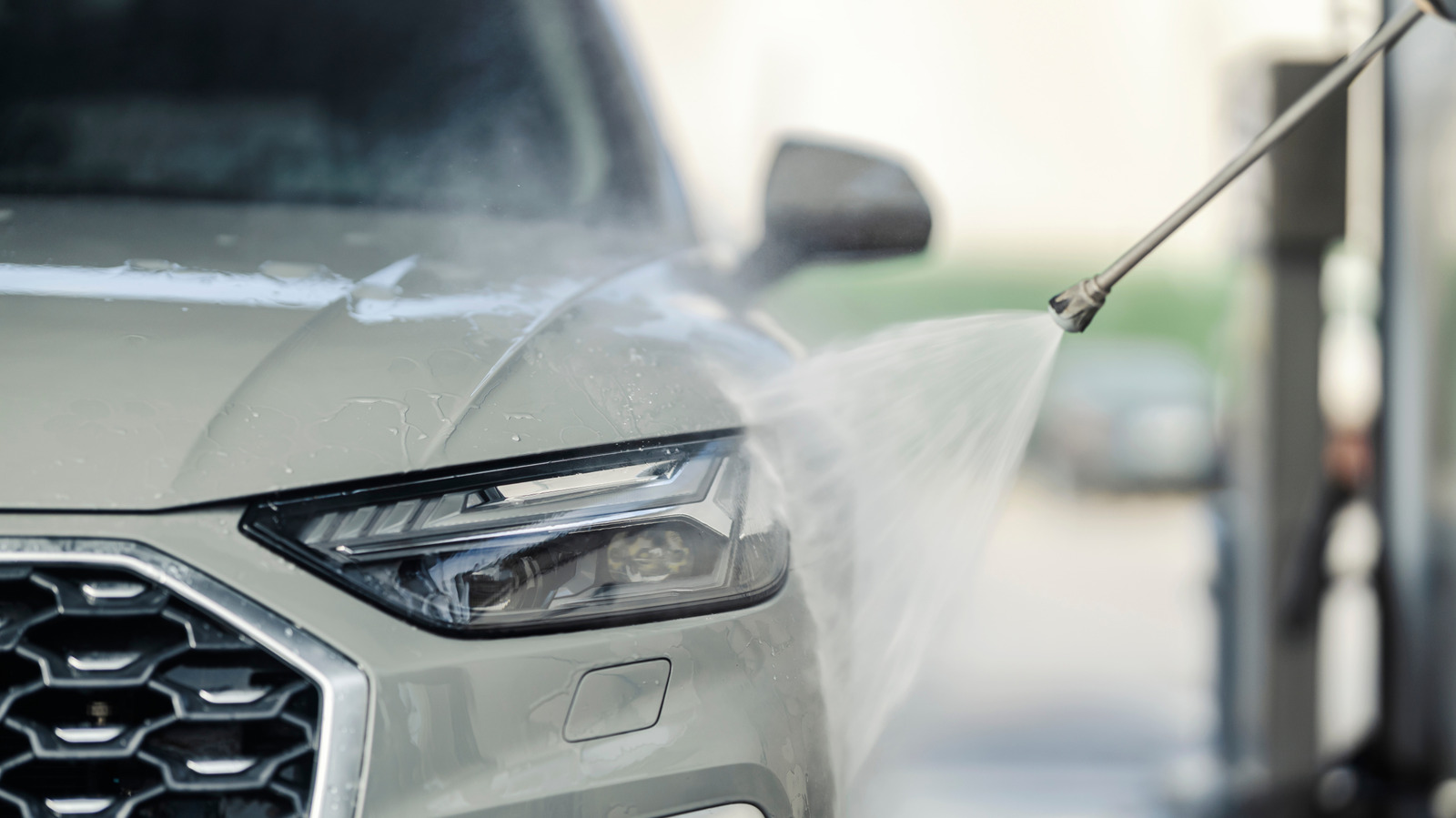
# The Right PSI for Pressure Washing Your Car: Finding the Balance
Pressure washing removes dirt, grime, and road salt from your vehicle's exterior. Too much force and you risk stripping clear coat or damaging paint. Too little and you waste time spinning your wheels without results. The answer lies in understanding how pressure washing actually works and what your car's finish can handle.
Most automotive experts recommend keeping pressure between 1,200 and 1,900 PSI when cleaning a car. This range cleans effectively without harming factory paint or clear coat. For reference, consumer pressure washers often range from 1,500 to 4,000 PSI, so the low to mid-range setting works best for vehicles.
The type of paint matters. Modern vehicles use a clear coat layer over base color paint. This protective layer is more durable than paint alone, but it still requires respect. Pressures above 2,000 PSI can strip clear coat, particularly on older vehicles or those with compromised finishes. Ceramic coatings and paint protection film can withstand slightly higher pressures, but manufacturers still recommend staying conservative.
Distance between the nozzle and the car's surface is equally important as PSI. Hold the nozzle 12 inches away minimum, preferably 18 inches or more. This spreads pressure over a wider area, reducing impact force. Angling the nozzle at 45 degrees rather than perpendicular also distributes force more safely across the surface.
Nozzle type changes everything. A 0-degree concentrated jet can inflict serious damage even at moderate PSI. A 25 to 40-degree fan pattern spreads water more gently across panels. Most detailers prefer 40-degree nozzles for general car washing because they balance cleaning power with safety.
Water temperature adds another dimension. Hot water cleans better than cold, especially for removing oil, wax buildup, and stubborn contaminants. However, hot pressure washers cost more and use more energy. Warm water, around 100 to 140 degrees Fahrenheit, provides a middle ground for most car owners.
Pre-rinsing matters as much as pressure settings. Spray dirt loose with low pressure before hitting it hard. This prevents pushing abrasive particles across your paint. After pre-rinsing, work methodically from top to bottom. Gravity helps water run downward naturally, preventing streaking and re-contamination.
Avoid pressure washing sensitive areas. Door seals, weatherstripping, and trim can trap water or suffer damage at high pressure. Wheels tolerate higher pressure better than paint, so focus power there. Use a separate cleaning approach for undercarriage work if needed.
Chemical pre-soakers and foam cannons change the equation. Many detailers spray a biodegradable cleaner or foam first, let it sit briefly, then use moderate pressure to rinse. This approach relies on chemistry rather than force, reducing water pressure needs significantly. Professional detailers often work at 1,000 to 1,500 PSI when using pre-soaks.
Your car's condition influences decisions too. Fresh paint tolerates lower pressures. Vehicles with oxidized or fading finishes need gentler treatment. If your clear coat is already compromised, even 1,200 PSI might be risky without chemical assistance.
For home car owners, renting a consumer pressure washer and using the 40-degree nozzle at 1,500 PSI while maintaining 18-inch distance delivers solid results without risk. Professional detailers often have equipment capable of much more, but they understand the nuances of pressure, distance, and chemistry. Your car's finish is too valuable to learn through mistakes.