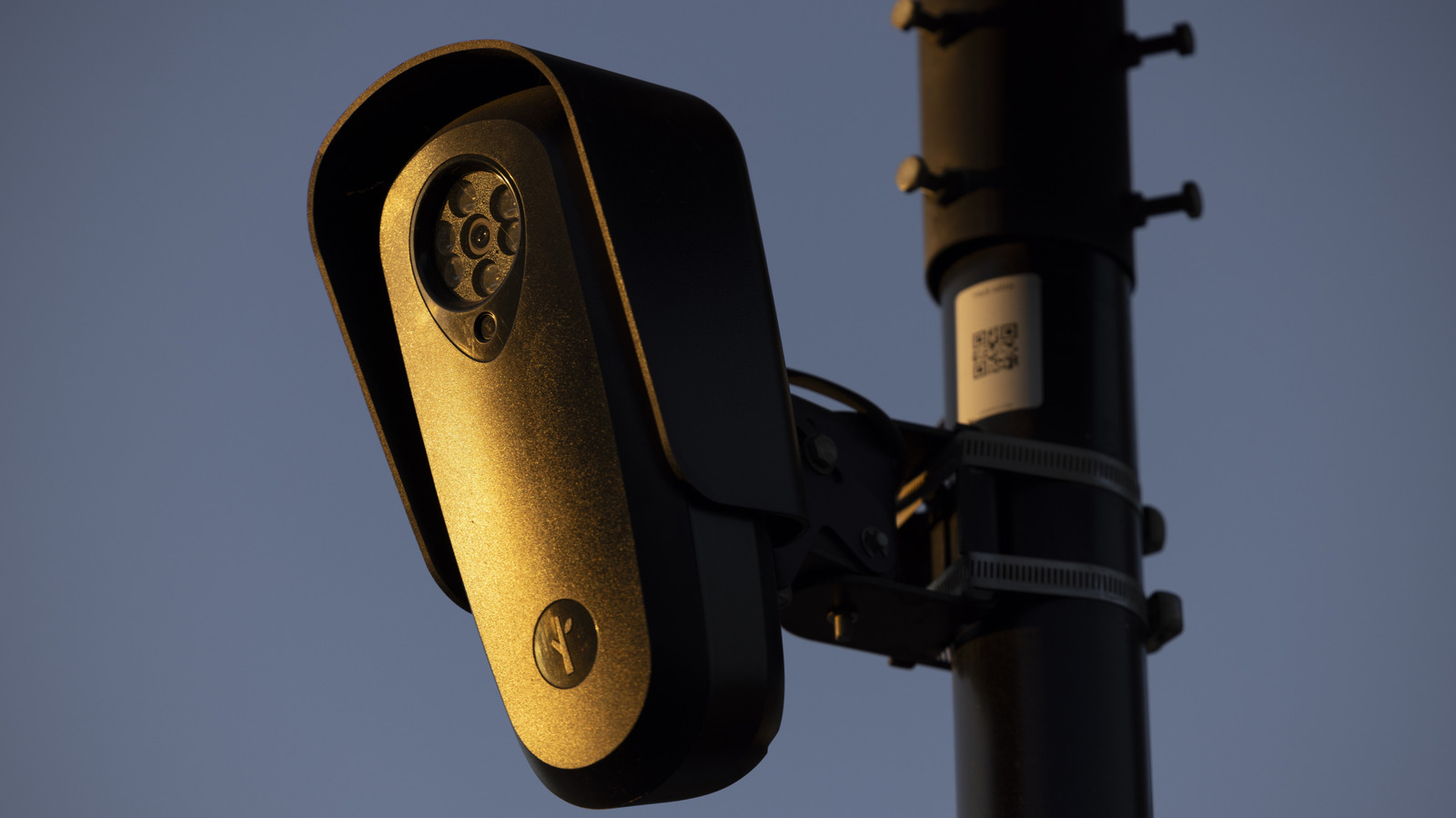
Flock Safety, the leading automatic license plate recognition (ALPR) camera manufacturer used by thousands of police departments across North America, is shortening its default data retention period from 30 days to 7 days. The company announced the change as part of a broader privacy-focused update affecting how law enforcement agencies store and access vehicle footage.
The shift reflects growing scrutiny over police surveillance infrastructure and data privacy concerns. ALPR cameras have become ubiquitous in American policing, mounted on patrol cars, fixed at intersections, and integrated into fixed cameras at traffic lights. These systems photograph every passing vehicle, capture license plates, and log timestamp and location data. Flock processes millions of plate reads daily, creating massive databases that police use for criminal investigations, but also raising privacy questions about mass surveillance of ordinary drivers.
By reducing the default retention window from 30 to 7 days, Flock gives law enforcement less time to store bulk data on non-suspects. The change means departments must actively choose longer retention periods if they want to keep video beyond a week. This represents a meaningful privacy improvement, though police agencies retain the option to extend storage periods for specific cases or general surveillance.
The announcement includes a second component: Flock's system will now flag abnormal activity detected by officers using ALPR data. The feature uses machine learning to identify unusual patterns, such as vehicles repeatedly photographed at the same location or moving in atypical patterns that might indicate criminal activity. This automation potentially helps departments focus investigative resources more efficiently, though it also introduces algorithmic bias risks inherent to AI-driven policing tools.
The caveat matters here. While shorter retention periods sound protective, police departments can still request extended storage for specific vehicles or investigations. Flock's default setting is not a hard limit. Departments with resources and sufficient suspicion can maintain longer records on targeted vehicles. This means privacy protection depends partly on individual department policies and training, not purely on Flock's technical defaults.
Law enforcement adoption of ALPR technology has accelerated over the past decade. Major departments in New York, Los Angeles, Chicago, and hundreds of smaller jurisdictions rely on Flock systems for everything from locating stolen vehicles to tracking suspects. Privacy advocates have long warned that ALPR data functions as a mass surveillance tool that disproportionately records data on innocent drivers going about their daily lives.
Flock faces competitive pressure from other ALPR providers and increasing public scrutiny from civil liberties organizations. The company markets itself as privacy-conscious relative to competitors, but operates in an industry fundamentally built on capturing and storing images of millions of drivers regardless of suspicion. Shorter retention periods and anomaly detection represent incremental privacy improvements rather than systemic overhauls.
The timing reflects broader tech industry trends toward privacy-by-design defaults and regulatory pressure. States including California have proposed limits on ALPR data retention. Privacy advocacy groups have sued departments over ALPR practices. These factors push vendors like Flock toward policy adjustments that appear privacy-protective while maintaining core surveillance functionality.
For drivers, the 7-day default offers modest reassurance that their routine vehicle photos won't linger indefinitely in police databases. Whether this represents meaningful privacy protection depends on how departments actually implement retention policies.