# Home Solar Systems Now Handle Generator Backup: What Homeowners Need to Know
A Reddit user recently asked a practical question that reflects growing consumer sophistication around residential energy independence. They wanted a solar panel and home battery system that could intelligently switch between solar power, grid electricity, and a backup gas generator during extended outages. Electrek tracked down home energy experts to answer whether such systems exist and how they work.
The answer is yes. Modern residential battery systems can integrate multiple power sources and manage them automatically. Systems like Tesla Powerwall, Generac PWRcell, Enphase IQ Battery, and LG Chem RESU all offer this capability, though with different levels of sophistication and cost.
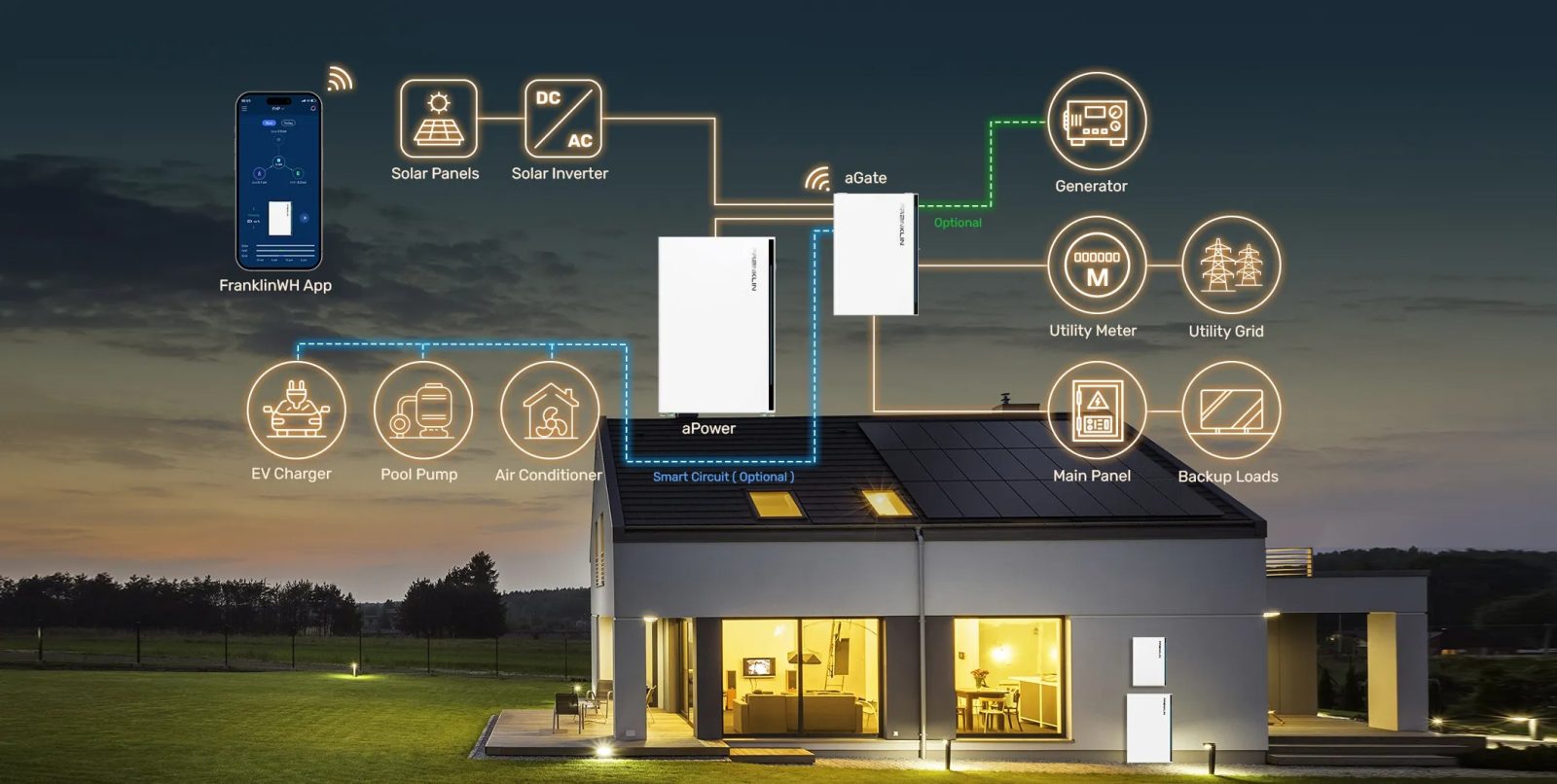
The core technology works like this. A hybrid inverter sits at the center of the system, converting DC power from solar panels and batteries into AC power for home use. The inverter monitors grid voltage constantly. When the grid fails, it detects the loss instantly and switches to battery power without interrupting critical loads. If batteries deplete during a prolonged outage, the system can accept power from an external generator, automatically recharging batteries or powering the home directly.
Generac PWRcell stands out for generator integration. Its modular battery design scales from 12 kWh to 18 kWh and accepts input from propane or gas generators rated 7.5 kW to 24 kW. The system prioritizes battery discharge first, then automatically activates the generator if needed. Owners can set thresholds for when the generator kicks in, balancing fuel consumption against backup runtime.
Tesla Powerwall takes a different approach. Each Powerwall holds 13.5 kWh of usable capacity and can stack up to 10 units for larger homes. The system accepts generator input but requires a specific configuration and often needs professional installation to handle the electrical complexity. Powerwall focuses on solar optimization and rate arbitrage (charging during cheap grid hours, discharging during expensive periods) as primary benefits, with outage protection as secondary.
Enphase IQ Battery operates at the microinverter level, with 3.8 kWh or 5.8 kWh modules that connect directly to the company's microinverters on each solar panel. This distributed architecture offers redundancy. If one component fails, others continue functioning. Generator integration works but requires careful setup by certified installers.
LG Chem RESU comes in 10 kWh and 13 kWh models and pairs well with LG's hybrid inverters. The system handles generator input but is less common in the U.S. market compared to its competitors.
Costs vary dramatically. A basic 10 kWh system with installation runs 10,000 to 15,000 dollars. Adding solar panels, battery modules, and professional generator integration easily reaches 30,000 to 50,000 dollars. Federal tax credits offset 30 percent of battery costs through 2032 under the Inflation Reduction Act, but state and local incentives vary widely.
The Reddit user's question touches on a real trend. Supply chain stability concerns, aging grid infrastructure, and extreme weather events push homeowners toward energy self-sufficiency. Generators alone offer no fuel efficiency or cost savings. Solar plus batteries tackle those problems. Adding generator capability handles the worst-case scenario without forcing homeowners into off-grid mythology.
Installation quality matters enormously. Poor integration between solar, battery, and generator systems wastes money and creates dangerous situations. Reputable installers certified by manufacturers handle interconnection properly, ensuring seamless switching and safe generator operation.
The market continues evolving. Manufacturers are adding AI-powered forecasting to predict outages and storm impacts, automatically charging batteries before problems hit. Bidirectional chargers may soon let electric vehicles power homes during outages, converting cars into backup systems.
For homeowners serious about this setup, starting with a solar assessment makes sense. Determine actual usage patterns and peak loads. Size the battery accordingly. Then integrate generator capability with professional help. The Reddit user's question represents not edge-case thinking anymore, but mainstream consumer demand.