# Understanding BCI Battery Group Numbers: Why That Code On Your Car Battery Matters
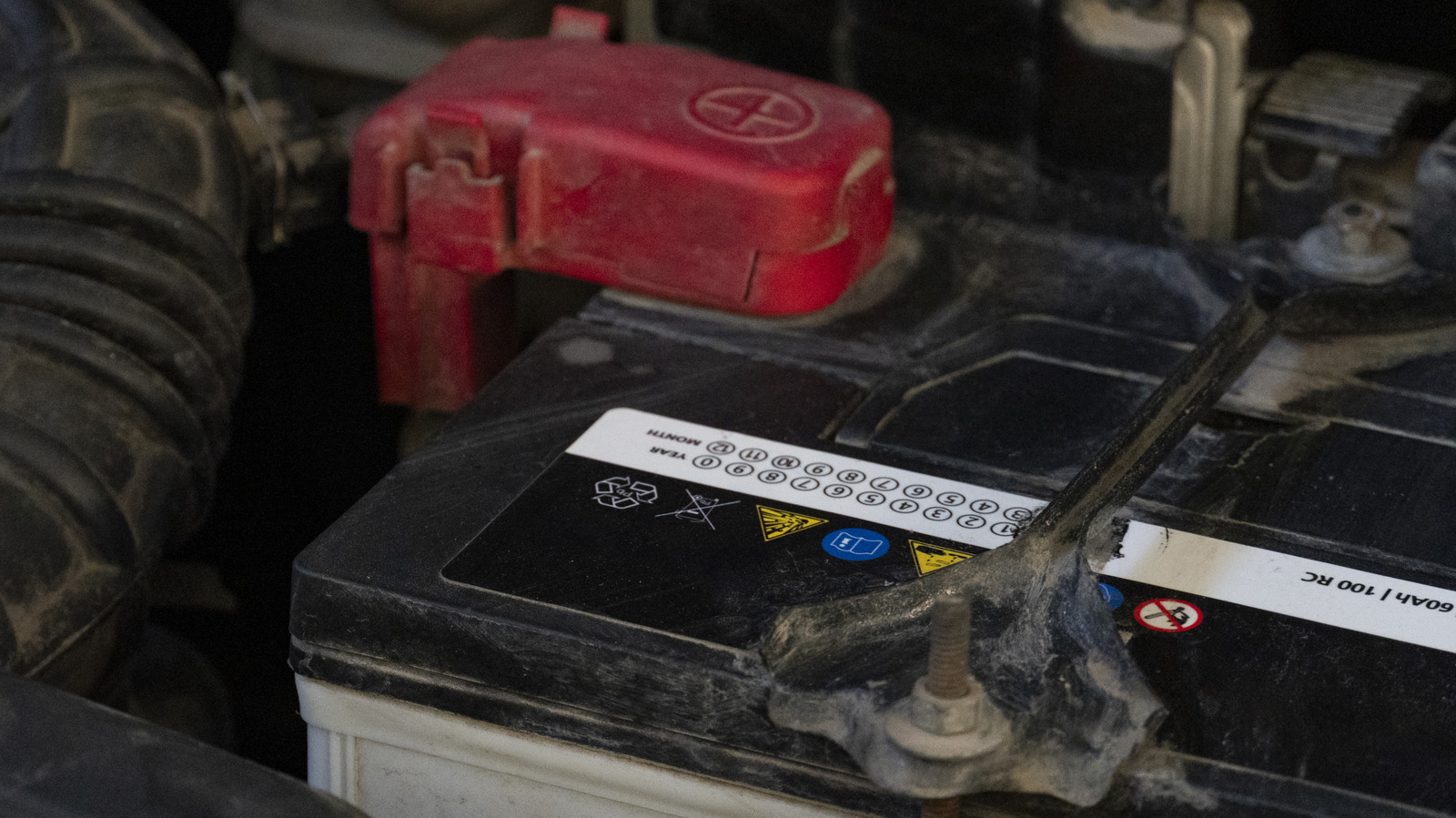
That cryptic number printed on your car battery label isn't marketing jargon. The BCI Group Size designation tells you four critical specifications that determine whether a replacement battery will actually fit and function in your vehicle. Ignore it, and you risk expensive installation problems or a battery that fails prematurely.
The Battery Council International established the BCI Group Size system to standardize battery dimensions, terminal configurations, polarity, and reserve capacity across the automotive industry. A Group 24 battery looks nothing like a Group H6, yet both can power four-cylinder engines. The difference matters when you need a replacement.
The first specification encoded in the BCI number is physical size. Group 24F measures roughly 10.25 inches long by 6.8 inches wide by 8.9 inches tall. Group 48 measures 10.25 by 6.8 by 7.75 inches. Those two-tenths of an inch differences matter in tight engine bays. Subarus famously use tight battery boxes. A Group 25 won't squeeze into a space engineered for a Group 24. Mechanics have to remove brackets or modify mounting hardware, turning a 30-minute job into a two-hour ordeal.
Terminal location and polarity make up the second critical factor. A Group 24F has terminals on the top. A Group 24R has terminals on the side. The "F" and "R" designations mean you cannot swap them without rewiring. Some manufacturers also reverse polarity between models. Hybrid vehicles and luxury cars frequently use non-standard configurations. Putting a standard Group 24 into a Toyota Prius that expects a custom hybrid battery causes electrical gremlins that no shop wants to troubleshoot.
Cold cranking amps, or CCA, represent the third specification. This number indicates how many amps the battery delivers at zero degrees Fahrenheit for 30 seconds. A Group 24 might carry 630 CCA while the same physical size offers 700 CCA under a different designation. Installing a 630 CCA battery in a diesel truck designed for 800 CCA won't prevent starting in summer, but Canadian winters become problematic. Electronics drain power faster in cold weather. Undersized batteries age prematurely when pushed beyond their rating.
Reserve capacity is the fourth factor. This measures how many minutes a fully charged battery can supply 25 amps before dropping below 10.5 volts. A battery rated at 155 minutes reserve capacity lasts longer in a dead-alternator scenario than a 120-minute battery, even if both claim the same group size.
The automotive industry fragments battery specifications across thousands of vehicle configurations. Toyota uses different BCI sizes across its Camry lineup depending on transmission type and engine. Nissan Altimas from 2019 come with either Group 24 or Group 25, and mixing them causes starting failures. Luxury marques like BMW and Mercedes use proprietary battery housings that only accept OEM replacements.
Auto parts retailers profit from selling "universal fit" batteries that claim compatibility with multiple group sizes. These oversimplified claims ignore the engineering reality that your battery box was designed for one specific configuration. A battery that physically fits may have reversed polarity. A battery with correct terminals may lack sufficient cold cranking amps.
Before purchasing a replacement, check your owner's manual or the existing battery label. Match the BCI Group Size exactly. Request the part number from your dealer if aftermarket options seem unclear. Your mechanic can identify the correct battery in minutes. Guessing costs time, money, and leaves you stranded.