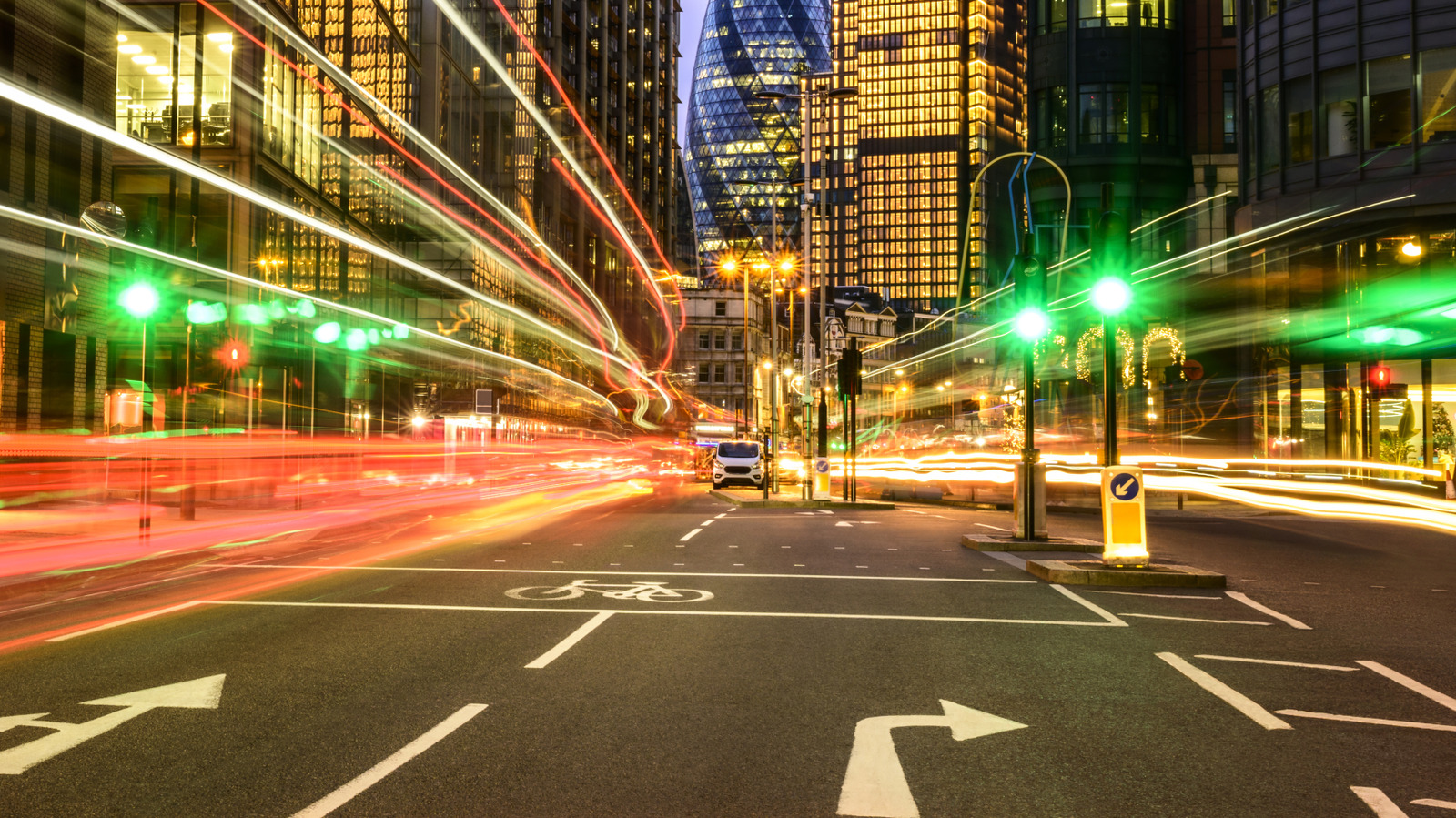
# City's Green Light Program Cuts Speeds and Crashes by Rewarding Safe Driving Behavior
A municipality has launched an unconventional traffic safety experiment that turns the traditional red light penalty on its head. Instead of punishing speeding and reckless driving, the city rewards drivers who maintain safe speeds with continuous green lights, creating a powerful incentive structure that has already produced measurable results in collision rates and vehicular speeds.
The program operates on a straightforward principle. Drivers who maintain posted speed limits and follow traffic laws trigger sensors or algorithms that extend green lights through consecutive intersections. The reward feels immediate and tangible. Safe driving directly translates to smoother traffic flow, zero stops, and faster average trip times, even though individual speeds remain lower.
Early data shows the approach works. Both speeding violations and accident rates have dropped dramatically in participating zones. The mechanism exploits basic driver psychology. Most motorists speed to save time, not from malice. When they discover that safe driving actually gets them through town faster, the incentive structure flips. Aggressive acceleration and hard braking become counterproductive.
This inverts conventional traffic engineering, which has historically relied on enforcement, fines, and speed cameras to discourage violations. Police departments spend considerable resources on speed enforcement that generates revenue but rarely changes behavior long-term. Drivers treat fines as a tax on speeding rather than a behavioral nudge. The green light reward system bypasses that resistance entirely.
The technology behind this typically involves speed sensors at intersections that detect whether approaching vehicles exceed limits. Alternatively, connected vehicle systems can communicate directly with traffic infrastructure. Either way, the city gains real-time data on driver compliance while creating a live feedback loop that encourages safer choices.
Broader implications matter here. Rising vehicular fatalities have plagued American roads for years, with speed playing a role in roughly 30 percent of fatal crashes. Most interventions, from automated enforcement to public safety campaigns, have shown modest results. A system that makes safe driving objectively rewarding, rather than merely penalizing violations, represents a different category of solution.
Traffic congestion also improves. Constant acceleration and braking creates phantom traffic jams where no physical bottleneck exists. When drivers maintain steady speeds and flow continuously through intersections, throughput increases even with lower average speeds. Fuel consumption drops. Emissions fall. Urban air quality improves.
The rollout raises questions about scalability and fairness. Older vehicles without modern connectivity might struggle to participate. The system requires substantial municipal infrastructure investment. Privacy concerns exist around comprehensive speed monitoring. Cities adopting this approach will need to address equity issues and ensure the program serves all residents fairly.
Other municipalities watching this pilot will likely test similar systems. Insurance companies might eventually offer premium discounts to drivers using connected vehicle systems that prove their compliance. The approach aligns with broader trends in gamified behavior change and data-driven urban planning.
What started as a simple question, "Would continuous green lights change driving habits?" appears to have a clear answer. Yes. The city has found that removing friction from safe driving while making violations literally and visibly costly in time loss reshapes driver behavior at scale. That discovery could reshape urban traffic management nationally.