# The Evolution of Police Car Lights: From Red Beginnings to Blue Standardization
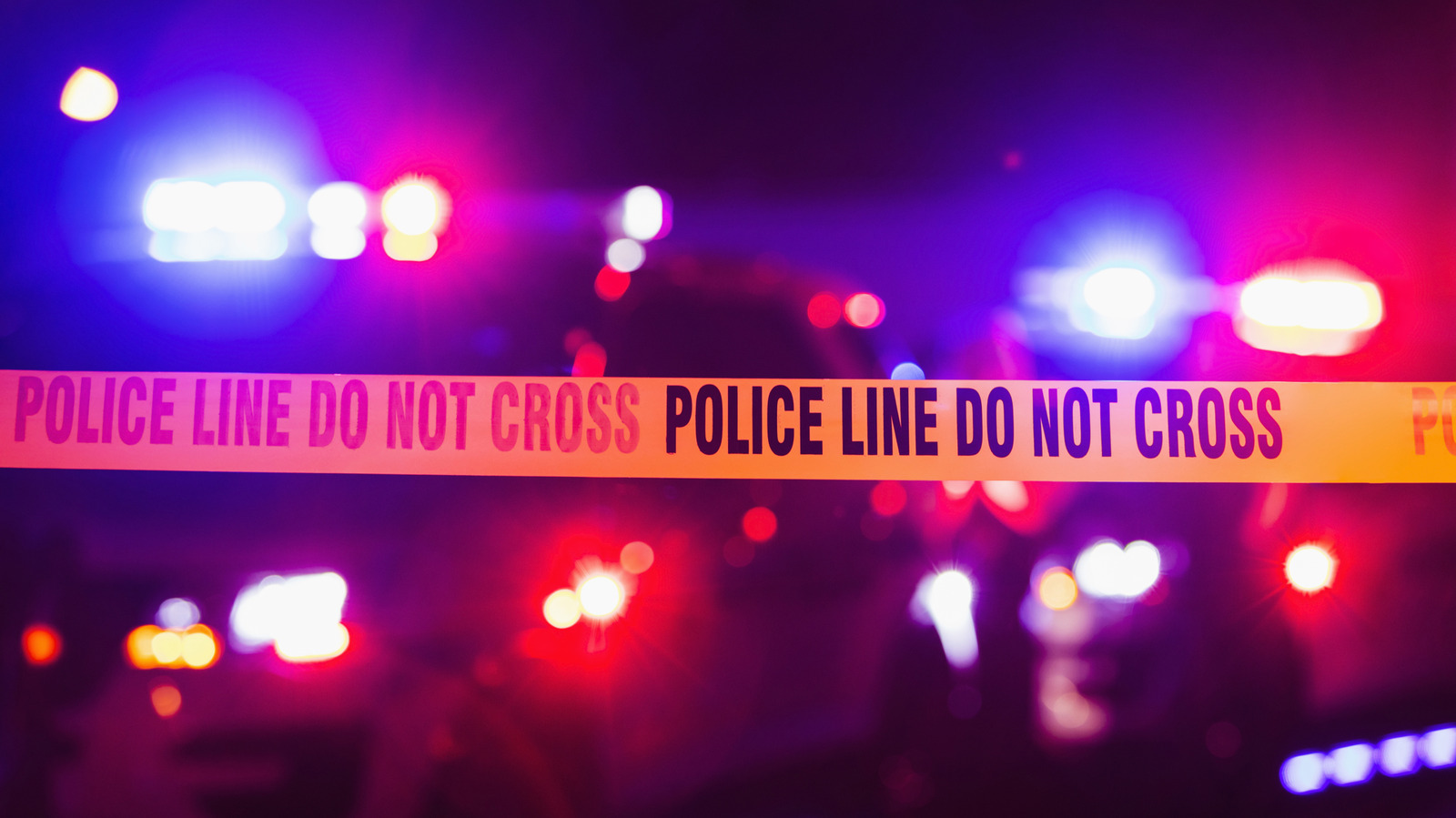
Police vehicles today sport the familiar red and blue light bars that drivers instantly recognize and dread. Yet this color combination represents decades of evolution driven by visibility, psychology, and practical law enforcement needs.
The earliest police lights emerged in the 1930s. Before flashing LED technology, officers relied on rotating red lights mounted atop their vehicles. Red became the default choice for a straightforward reason: it carried psychological weight. Red signals danger, warning, and authority. Police departments adopted it early because the color commanded attention on roadways packed with vehicles that lacked the electronic aids modern drivers take for granted.
During the 1930s and 1940s, red remained the sole color in police arsenals. Officers would activate these spinning lights when responding to emergencies or pursuing suspects. The effectiveness was immediate. Drivers noticed red. Traffic parted. The system worked within its technological limitations.
The blue lights arrived later, gaining traction during the 1960s and 1970s. Police departments discovered that blue provided better visibility at night and in adverse weather conditions. Where red sometimes blended into neon signs or brake lights, blue cut through darkness distinctly. Departments began experimenting with dual-color setups. The combination proved superior to either color alone. Red and blue together achieved greater recognition at distance while reducing confusion with other red emergency vehicles like ambulances and fire trucks.
By the 1980s, red and blue became standardized across American police departments, though regulations varied by state. Some jurisdictions preferred more red, others emphasized blue. Federal guidelines eventually helped standardize the ratio, though no universal mandate emerged across all fifty states.
The technology itself underwent radical transformation. Early rotating lights used incandescent bulbs mounted in reflective housings. Officers manually activated them during emergency calls. Modern light bars employ LEDs with programmable patterns, allowing departments to customize flash sequences and color ratios for maximum effectiveness.
Before automated lighting systems, police stops worked differently. Officers would position their vehicles strategically, use hand signals, and rely on sirens to alert nearby traffic. The visible presence of the marked police car itself signaled authority. Traffic codes and common driving practices meant most motorists already knew when a police vehicle wanted them to yield.
Red light cameras and traffic enforcement changed how police interact with violators. Now, cameras at intersections capture license plates automatically. Police respond to summons and tickets in the mail rather than conducting immediate roadside stops. This shift reduced direct police-public contact for minor violations, though high-speed pursuits and emergency responses still demand the eye-catching light shows modern drivers know.
Modern research supports the red-blue combination's effectiveness. Studies show that red attracts attention in daylight conditions while blue performs better in darkness. The combination covers both scenarios, making the technology genuinely practical rather than merely traditional.
Today's police vehicles carry multiple light configurations. Some departments use light bars, others employ smaller deck lights or grille-mounted systems. The colors remain relatively consistent, though variations persist. Some jurisdictions add white lights for additional illumination. The fundamental principle stays unchanged: make the police vehicle impossible to miss.
The evolution from red-only to red-and-blue reflects how enforcement priorities and technology intersect. What started as simple psychological signaling evolved into a sophisticated visibility system refined by decades of real-world testing and technological advancement.