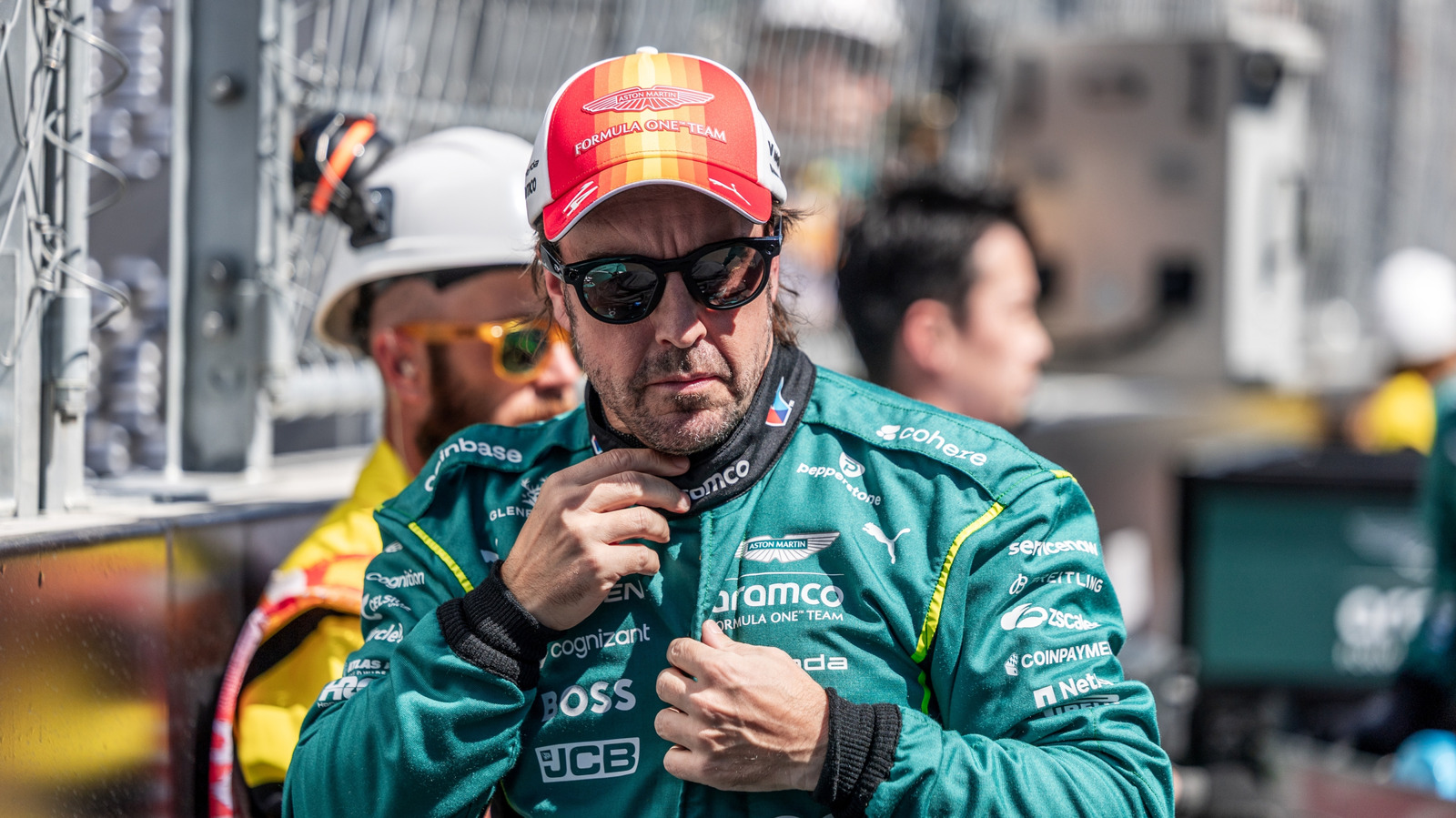
Fernando Alonso, now 45 years old, will continue driving for Aston Martin in Formula 1 after FIA President Mohammed Ben Sulayem reportedly encouraged the veteran Spanish driver to remain in the sport. The decision comes during a difficult campaign for the British constructor, which has accumulated just three championship points across 15 races with 16 retirements plaguing its performance this season.
Alonso's commitment to Aston Martin extends a career that has already spanned decades at the highest level of motorsport. The two-time world champion, who won his titles in 2005 and 2006 with Renault, brings unmatched experience and marketability to a team struggling to find consistency. At an age when most drivers have long retired, Alonso remains competitive and capable, demonstrating the physical and mental durability required for F1's demanding schedule.
Aston Martin's 2024 season has proven frustrating by any measure. The team's reliability issues, evidenced by the high retirement count, have prevented it from capitalizing on moments when the car performed competitively. With only three points collected, the squad ranks near the bottom of the constructors' championship and faces pressure to reverse course immediately. Retaining Alonso provides stability at a moment when the organization needs continuity in both driver talent and team leadership.
The involvement of FIA President Ben Sulayem in encouraging Alonso to stay reveals the value placed on veteran drivers by motorsport's governing body. Alonso's presence elevates the grid's profile and provides a link to F1's modern history. His experience navigating technical regulations, vehicle development, and high-pressure competition offers invaluable feedback to engineers and strategists working to improve Aston Martin's package.
Alonso has proven adaptable across multiple teams and eras of F1 regulations. His tenure at McLaren, Ferrari, Alpine, and now Aston Martin demonstrates versatility and resilience. He has competed against and outlasted multiple generations of rivals, won races in every decade he has competed, and developed a reputation for providing acute technical feedback that helps teams accelerate development cycles.
For Aston Martin specifically, retaining Alonso provides a face and voice for the brand during a rebuilding phase. The team, owned by billionaire Lawrence Stroll, has invested heavily in infrastructure, facilities, and personnel to challenge for championships. Alonso's endorsement of the project and his willingness to continue carries weight with sponsors, partners, and potential recruits.
The decision also reflects realistic assessment of the driver market. At 45, Alonso recognizes fewer opportunities remain, and Aston Martin offers a competitive machinery platform backed by substantial resources. The team's trajectory suggests improvement is forthcoming, making continuation rational for both parties.
Alonso's return for another season underscores the unique position veterans hold in elite motorsport. Unlike most professions, aging drivers can remain competitive at the sport's pinnacle if their physical condition permits. Alonso's continued participation benefits F1 through the credibility and entertainment value his presence provides, justifying the FIA's behind-the-scenes support for his continuation.