Toyota's Supra has evolved dramatically across five generations, with acceleration improving significantly from its Celica-based origins to its modern BMW-derived form. Jalopnik ranks each generation by 0-60 performance, tracing the sports car's development from a modest variant into a dedicated performance machine.
The Supra's first generation emerged as a Celica offshoot, delivering modest acceleration figures typical of 1970s Japanese sports cars. Subsequent generations progressively refined the platform and powertrain, each iteration bringing faster sprint times.
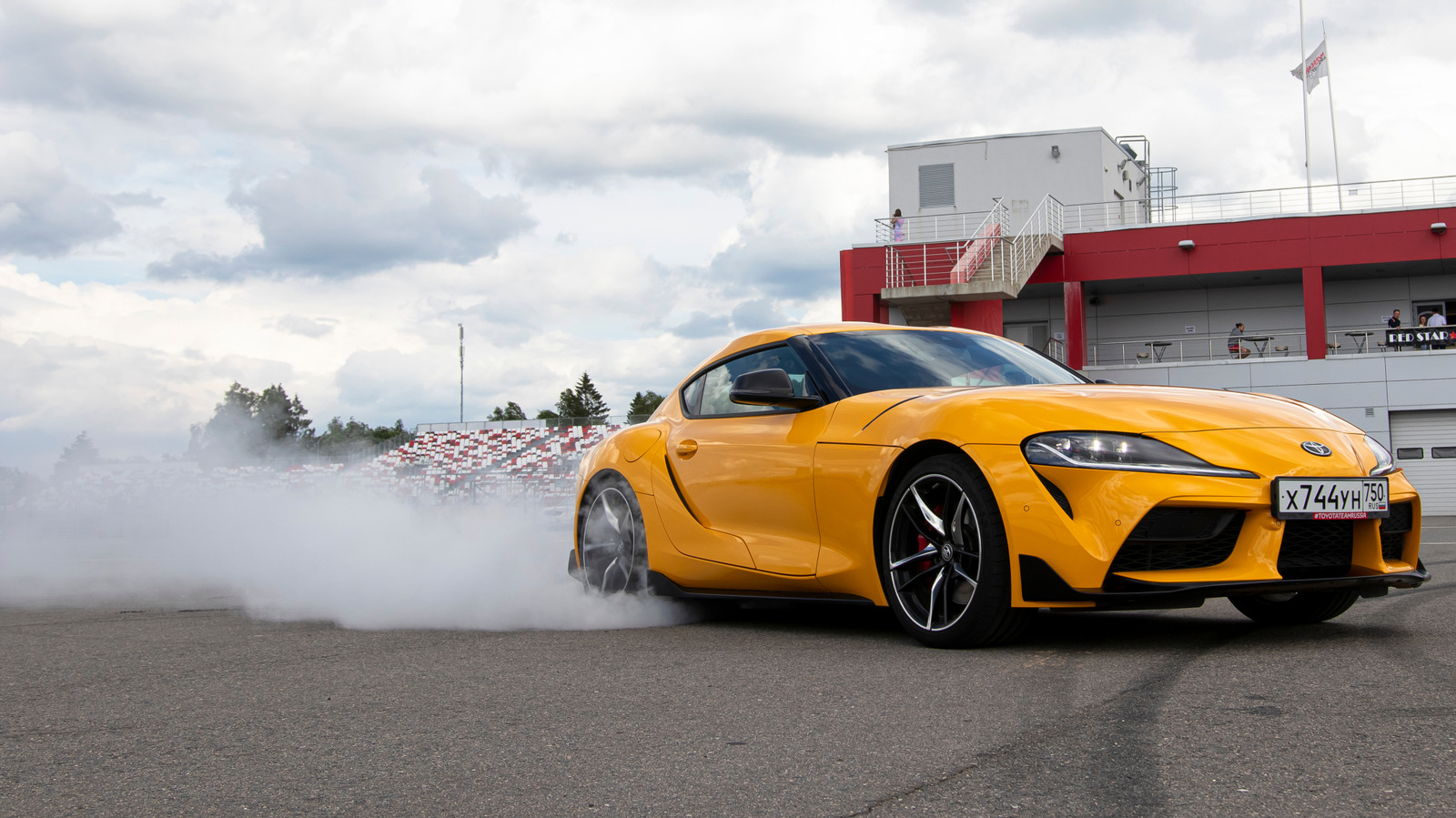
The fifth-generation Supra, introduced in 2019, represents the most dramatic acceleration improvement in the nameplate's history. This version uses a BMW-sourced turbocharged inline-six engine paired with an eight-speed automatic transmission, fundamentally changing the car's performance envelope compared to earlier generations.
The ranking reveals how automotive technology and engineering philosophy shifted across five decades. Earlier Supras prioritized balanced driving dynamics and reliability over raw speed. Modern iterations emphasize acceleration and power delivery, reflecting current performance car expectations and advancements in turbocharging and electronic control systems.
The Supra's 0-60 progression underscores broader industry trends. Japanese manufacturers increasingly adopted turbocharged powerplants and collaborated with European partners to enhance performance capabilities. The BMW partnership for the fifth generation marked a departure from Toyota's traditional in-house development, yielding faster acceleration and refined handling characteristics.
This ranking serves as a performance history of the Supra nameplate, documenting how each generation responded to market demands and technological capabilities of its era. The improvements in 0-60 times reflect not just engine development, but advances in transmission efficiency, turbocharging technology, and electronic systems management.