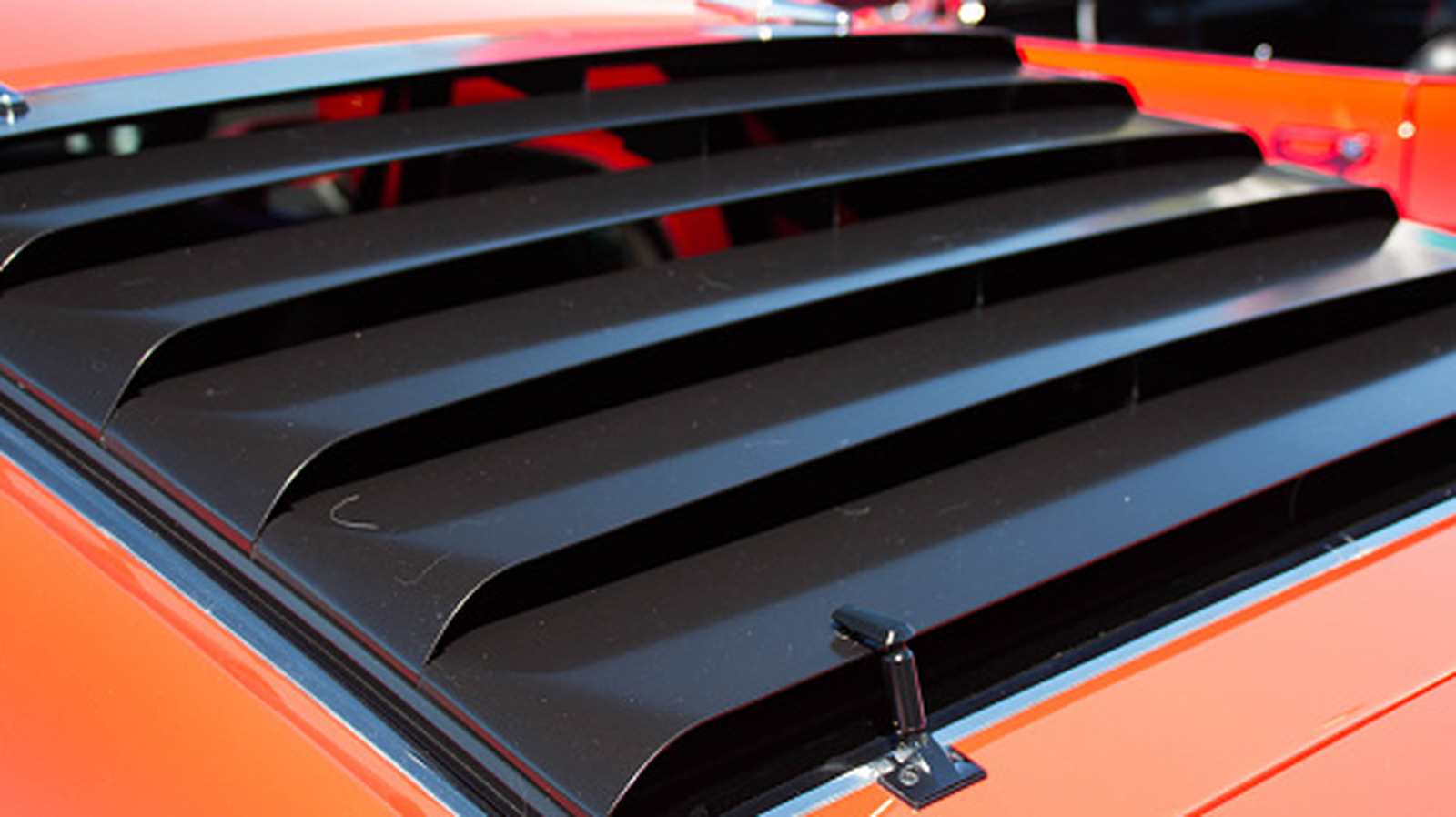
Window louvers sit at the intersection of form and function in automotive design, a styling element that divides enthusiasts sharply. Most applications miss the mark entirely, creating a gaudy aftermarket aesthetic that screams 1990s mall parking lot. Yet certain classic coupes possess the proportions, heritage, and design language to wear louvers not just acceptably, but as a defining visual signature that elevates their presence.
The appeal of louvers transcends pure aesthetics. Originally engineered to reduce interior heat and sun glare in an era before effective air conditioning, they served a practical purpose. Modern louvers remain functional, blocking direct sunlight from the side windows and rear glass, lowering cabin temperatures and reducing cooling load. However, their resurgence stems almost entirely from nostalgia and styling conviction rather than necessity.
Classic American muscle cars and European grand tourers of the 1960s and 1970s pioneered the louver look with genuine design intent. The Plymouth Road Runner, Dodge Charger, and Chevrolet Chevelle wore them as period-correct equipment that suited their aggressive, purposeful stance. These vehicles possessed enough visual mass and body-side sculpting to absorb such a bold accent without appearing overwrought.
European coupes handled the treatment with particular finesse. Models like the Ferrari Daytona and Jaguar E-Type benefited from the louvers as a design element that broke up large glass areas and reinforced their wedge-shaped profiles. The louvers created visual rhythm and emphasize the side glass as a distinct architectural feature rather than a transparent void.
The contemporary aftermarket louver renaissance stems from Instagram culture and automotive social media, where retro-mod styling commands significant engagement. Builders apply louvers to everything from Fox-body Mustangs to modern Dodge Challengers, with mixed results. The problem lies in execution. Modern cars lack the proportional harmony and intentional design language that made period louvers work.
The best modern applications come from manufacturers who respect heritage and proportional logic. Dodge's recent Challenger and Charger revivals incorporated louver options that echo their 1970s ancestors, with proper scale and positioning that references the original cars rather than imitating them crudely. This distinction matters. Context and restraint separate homage from parody.
Thermal considerations receive less attention than aesthetics but influence real-world functionality. Window louvers reduce solar heat gain by up to 30 percent in direct sunlight, a measurable benefit in hot climates. They also minimize interior reflections that compromise visibility for following traffic, a subtle but genuine safety advantage for rear glass applications.
Collectors and enthusiasts pursuing authenticity source correct louver sets for restoration projects, ensuring period-appropriate materials, thickness, and finish. Quality matters tremendously. Cheap plastic louvers yellow and warp with UV exposure, while properly manufactured aluminum or fiberglass units maintain their appearance for decades.
The stylistic evolution continues across the collector car market, where subtle retrograde design elements gain traction among buyers seeking personality without excess. Window louvers represent one anchor point in this broader aesthetic movement toward intentional, deliberate styling choices that communicate automotive history and design appreciation.