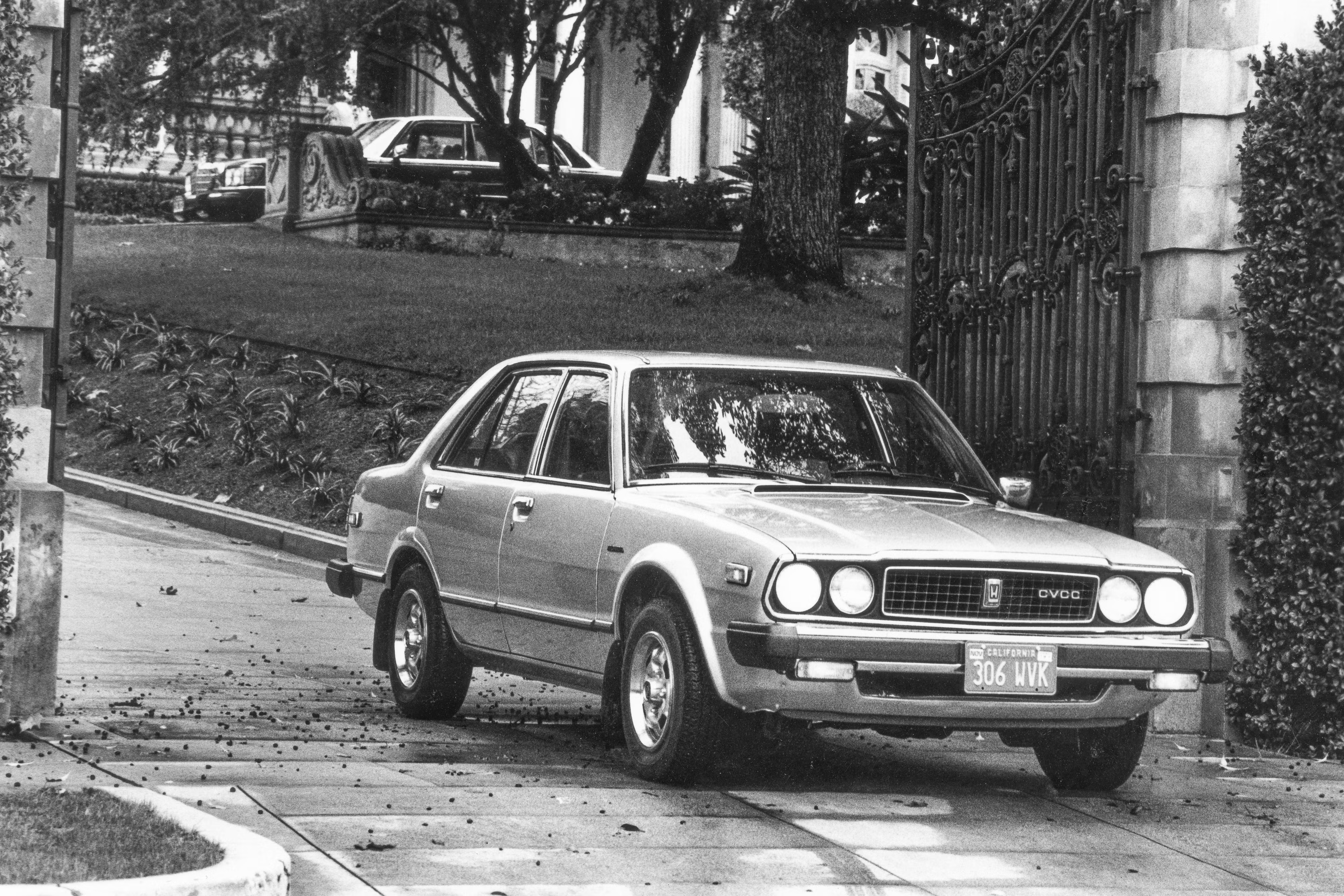
# 1979 Honda Accord 4-Door: The Car That Started Honda's American Dominance
The 1979 Honda Accord 4-Door represents a turning point in automotive history. This model marks Honda's push into the family sedan segment with a practical, efficient, and genuinely competent machine. The four-door configuration arrived as Honda recognized that American buyers wanted sedan practicality without sacrificing the engineering integrity that defined the brand.
When Honda launched the first-generation Accord in 1976, it came as a two-door coupe. By 1979, the market had spoken. Buyers wanted rear-seat space and four doors. Honda delivered exactly that with surgical precision. The 1979 4-door Accord maintained the same fundamental formula that made its two-door sibling successful. A 1.6-liter four-cylinder engine producing 80 horsepower sat under the hood. That doesn't sound like much by today's standards, but in 1979, it meant real-world fuel economy around 25 miles per gallon combined. The Japanese manufacturers were eating Detroit's lunch on efficiency.
The exterior design stays true to Honda's philosophy of function over flash. Squared-off body lines. Minimal chrome. Upright stance. Nothing wasted on aerodynamic theater. The interior matches this practical mindset. Simple dashboard. Straightforward controls. Materials that feel honest rather than fancy. This approach separated Honda and Toyota from American competitors who loaded cars with gadgetry and soft plastics that would crack within a decade.
The 1979 Accord 4-Door arrived at precisely the right moment. The second oil crisis had triggered a genuine hunger for fuel economy. Domestic automakers struggled to respond quickly. Their existing platforms were too heavy, their engine technology too outdated. Honda, along with Toyota and Datsun, filled that void. The Accord proved that Japanese manufacturers could build sedans that Americans actually wanted to own, not just tolerate.
By the early 1980s, the Accord was already becoming a phenomenon. Waiting lists stretched months. Owners kept them for 200,000 miles routinely. Resale values stayed high. Mechanics understood them. Parts availability was straightforward. This reliability established Honda's reputation as a serious automaker, not a niche player.
The 1979 4-door specifically mattered because it validated Honda's strategy. They weren't chasing American design trends. They built what made engineering sense. The four-door configuration proved buyers would accept this unadorned approach if it meant dependability and efficiency. That calculation launched Honda toward becoming one of the world's largest automakers.
Today, the 1979 Accord 4-Door serves as a historical touchstone. It shows what a competent, honest car looks like before marketing departments convinced buyers that cars needed sculpted body panels and aspirational branding. The Accord line that followed this template would become Honda's sales engine. The formula still works. Current Accords maintain that same DNA: straightforward engineering, fuel efficiency, and stubborn reliability that makes owners keep paying the insurance bill.