# The Thirstiest Vehicles Ever Built: Seven Automotive Monuments to Excess Fuel Consumption
The automotive industry has produced thousands of efficient vehicles over the decades, but the reverse is equally true. Some of history's most powerful, largest, and most absurdly engineered machines have delivered fuel economy figures so poor they read like parody. Seven vehicles stand out as particularly egregious offenders in the battle against gasoline consumption.
These vehicles share common traits. They prioritize raw power, massive displacement, or sheer bulk over any consideration for filling station budgets. They exist in a realm where fuel economy barely registers as a concern during design phases. Manufacturers knew their buyers cared far more about horsepower, towing capacity, or status than monthly gas bills.
The list likely includes legendary gas-guzzlers like the Hummer H1. The original H1, based on the military Humvee, delivered roughly 10 miles per gallon when driven on highways. Its 6.2-liter diesel engine and 5,300-pound curb weight made efficiency mathematically impossible. The vehicle consumed fuel at rates that would shock modern drivers accustomed to crossovers achieving 25-30 mpg routinely.
Other contenders probably include the Chevrolet Suburban of the 1970s and 1980s, which managed single-digit MPG in city driving. The Lincoln Navigator and Ford Excursion, both massive three-row SUVs from the late 1990s and 2000s, registered similarly dismal numbers. These vehicles prioritized interior space and towing capacity, accepting fuel economy as collateral damage.
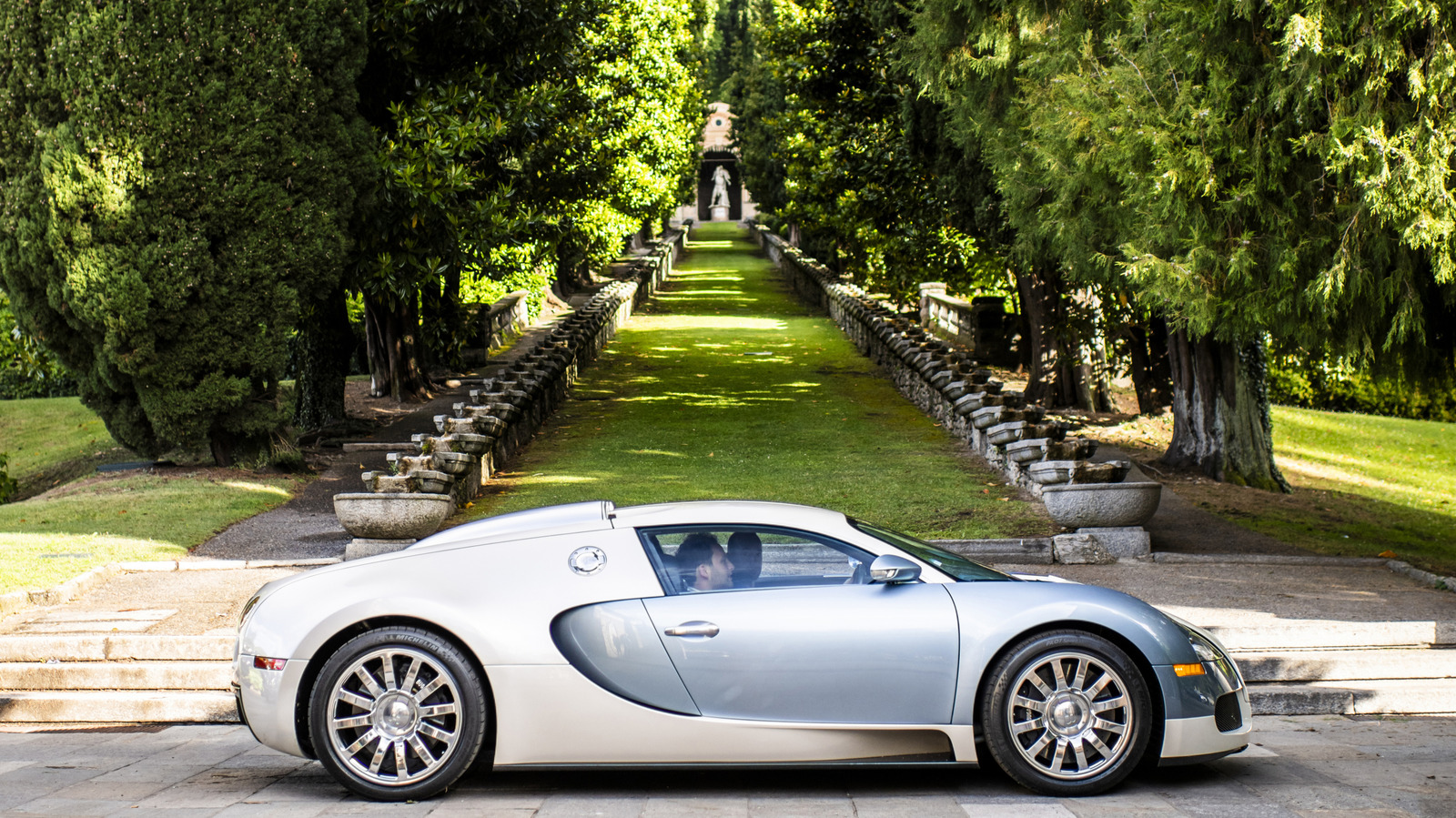
Exotic supercars with massive twin-turbo V12 engines also dominate this list. The Bugatti Veyron, capable of 253 mph, achieved approximately 10 mpg overall despite over 1,000 horsepower requiring premium gasoline. Performance vehicles of this caliber never chase efficiency figures. Engineers tune them for acceleration and top speed, leaving fuel economy as an afterthought.
The modern era has largely eliminated truly terrible fuel economy. EPA regulations, Consumer Reports visibility, and buyer awareness have transformed industry behavior. A truck today achieving 20 mpg represents legitimate progress compared to 1990s standards. Hybrid technology, turbocharging, and lightweight materials have fundamentally altered what manufacturers can produce.
Yet nostalgia for these automotive dinosaurs persists. Enthusiasts and casual observers appreciate vehicles that embodied different priorities. Before crossovers dominated showrooms and efficiency ratings influenced purchasing decisions, manufacturers built machines that did one thing supremely well. The Hummer H1 conquered any terrain. The Bugatti Veyron shattered speed records. The Suburban hauled entire families across continents.
These seven vehicles represent a automotive era that has largely vanished. Modern regulations make their existence impossible in most developed markets. A new vehicle with 10 mpg rating would face such fierce criticism and commercial failure that no manufacturer would attempt it. Consumer expectations have shifted. Environmental concerns have intensified. Fleet average requirements have tightened.
For collectors and historians, however, these machines remain fascinating artifacts. They represent the zenith of excess, the moment when horsepower and capability triumphed completely over practical considerations. They remind observers that automotive priorities shift constantly. Yesterday's acceptable fuel consumption becomes tomorrow's embarrassment. Today's efficiency achievements will appear quaint by 2040. These seven vehicles serve as monuments to a different era of automotive thinking.