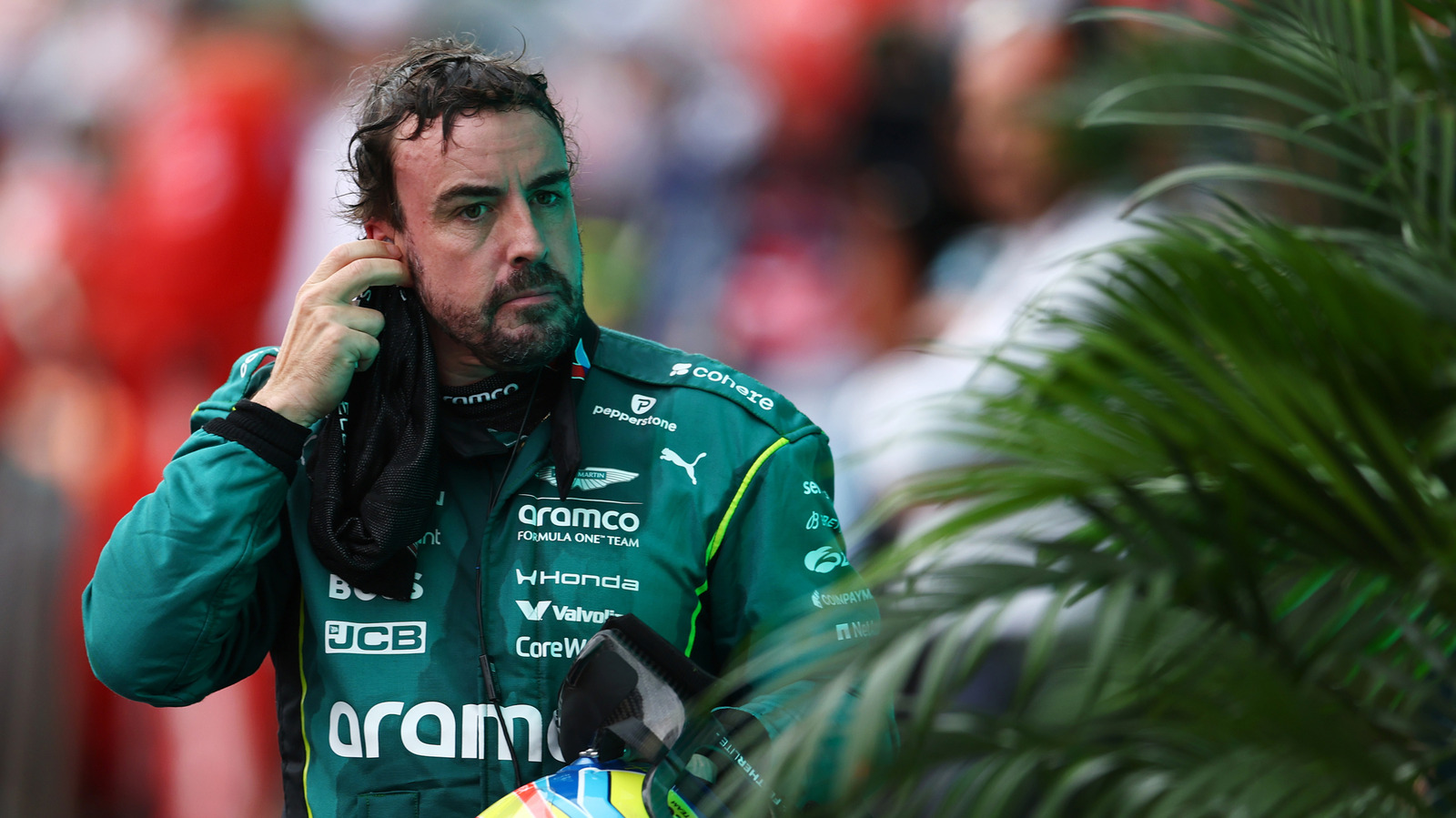
Fernando Alonso did not hold back after a first-lap incident at the United States Grand Prix left his Aston Martin unable to score points. The two-time Formula 1 world champion blamed rival drivers for what he characterized as "low quality" racing, following a collision that damaged his car early in the race at Circuit of the Americas in Austin, Texas.
Alonso's frustration stemmed from contact during the opening lap, when multiple cars jostled for position through the opening corners. The incident forced his Aston Martin out of contention for championship points, a costly blow in a season where every finishing position carries weight in the constructor and driver standings.
The Spanish driver's criticism reflects a broader tension in modern F1. First-lap chaos at high-profile races like the USGP has become increasingly common, with drivers pushing hard in the opening meters when car control remains unpredictable and tire temperatures have not yet reached operating range. Alonso has experienced dozens of first-lap incidents across his 24-year F1 career, giving him perspective on racing standards across eras.
His "low quality" assessment targets not specific drivers but the overall standard of racecraft he witnessed. Alonso has been vocal before about what he views as excessive aggression and poor positioning discipline among his peers. At 43 years old, competing for Aston Martin, he brings decades of experience racing against Schumacher, Hamilton, Vettel, and Verstappen. By his measure, some current drivers operate without the positioning awareness and car control that separates elite racers from the pack.
Aston Martin sits fourth in the constructor standings, chasing McLaren, Ferrari, and Red Bull. Every race matters in that battle. A first-lap retirement or damage-limited finish represents lost momentum when the team pursues its most competitive season in years. Alonso's DNF (did not finish) status at USGP particularly stung given the team's upgrade trajectory and his own recent performances.
The incident also highlights a recurring FIA conversation. Race stewards must decide whether first-lap contact constitutes deliberate foul play worthy of penalties or simply aggressive but acceptable racing. Alonso's criticism suggests he believes the FIA has allowed standards to slip, permitting contact that previous eras would have punished more severely.
Alonso has proven willing to race hard himself. His aggressive style has generated penalties, collisions, and controversy throughout his career. Yet his perspective here carries weight. When a driver of his caliber and experience complains about low-quality racing, it often signals that something in the competitive environment has shifted.
The USGP result likely motivates Aston Martin heading into the remaining races of the season. Alonso and the team will push for stronger finishes. His public criticism serves notice that he expects better racing standards from his competitors and, implicitly, stricter enforcement from race control.