# The Forgotten Quest to Save Pedestrians: From 1930s 'Catchers' to Modern Safety
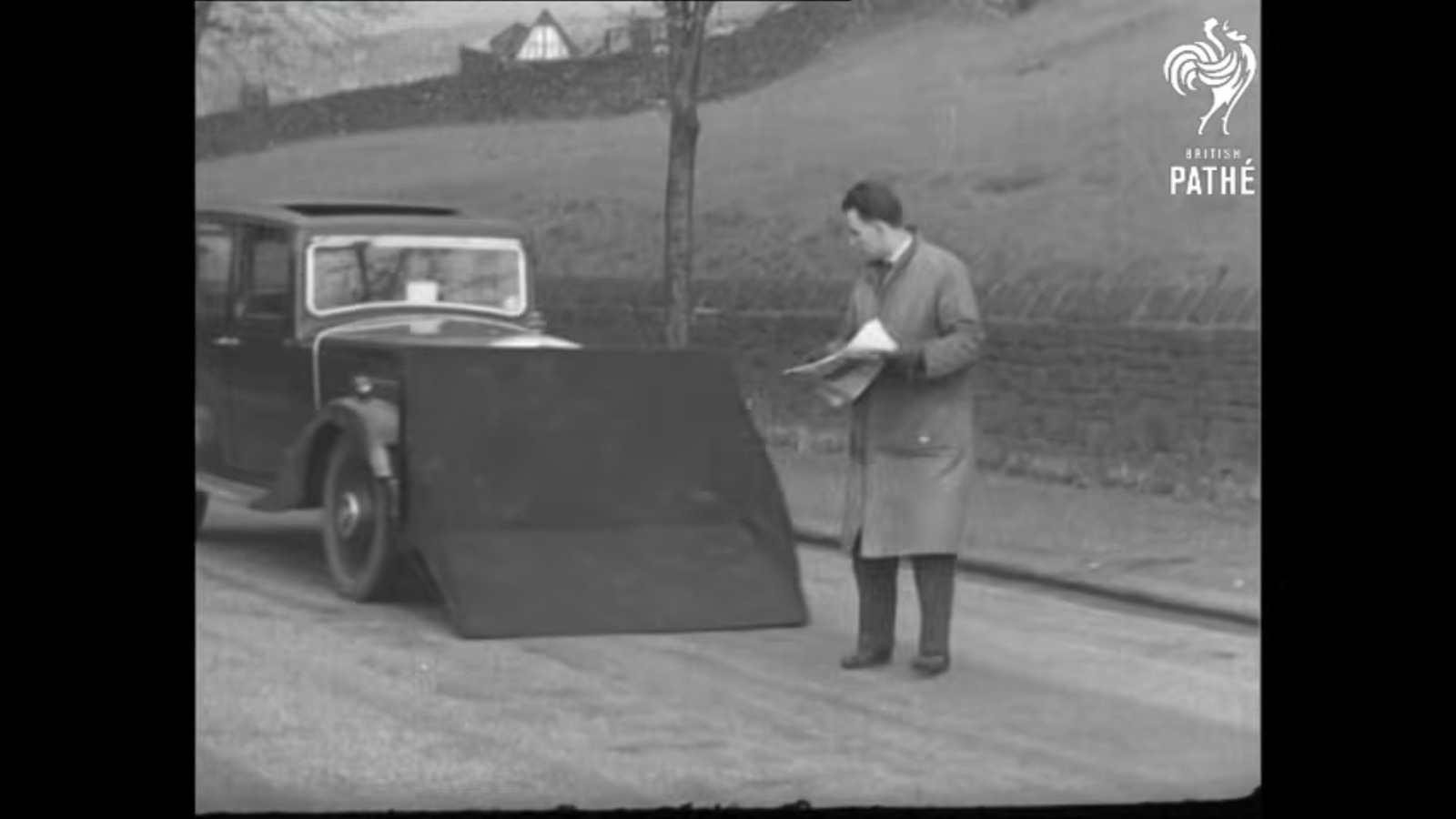
The tension between speed and safety has defined automotive design for nearly a century. In the 1930s, when pedestrian deaths surged alongside the explosion of mass-produced automobiles, engineers proposed one of the most absurd solutions ever attempted: the "Catcher."
The Catcher was a simple mechanical device mounted to the front of a vehicle. Its purpose sounds like dark comedy. Rather than preventing impact, it would catch pedestrians on the bumper and carry them along the hood instead of throwing them to the ground. The logic was twisted but internally consistent for the era. If you cannot save someone from being hit, perhaps you can at least spare them the additional trauma of being flung onto pavement. The device never gained traction. Regulatory frameworks did not mandate it. Manufacturers did not embrace it. Drivers ignored it.
What the Catcher episode reveals is automotive culture's historical ambivalence toward pedestrian protection. Automakers wanted speed, power, and thrills. Society wanted those things too. But nobody wanted to confront the body count. The Catcher represents that denial in mechanical form.
Modern safety engineering took a radically different approach. Instead of bizarre bumper attachments, manufacturers invested in crumple zones, airbags, electronic stability control, and now autonomous emergency braking. These systems work. U.S. roadway fatalities per vehicle mile traveled have fallen sharply since the 1970s, despite population growth and increased driving.
Yet the fundamental question persists unchanged: how do you build fast, fun cars without killing pedestrians? Contemporary answers involve active safety systems, improved visibility, lower hood lines, and softer front-end designs. European regulations now mandate pedestrian protection standards. Vehicles must absorb impact energy differently. Hoods cannot be rigidly affixed to frames.
The streaming content Jalopnik references likely documents this history. Entertainment platforms have increasingly picked up automotive history content. YouTube channels, documentaries, and specialty streaming services explore industrial design failures, safety evolution, and the messy relationship between human desire for speed and the collateral damage of fulfilling that desire.
Pedestrian deaths in the United States remain stubbornly elevated. The National Highway Traffic Safety Administration recorded over 7,500 pedestrian fatalities in 2022. That number climbs year after year. Modern vehicles weigh more, sit higher, and have worse forward visibility than their predecessors. SUVs and trucks dominate sales. These factors combine to create what some safety advocates call a regression.
So the 1930s Catcher deserves consideration not as a joke, but as a window into how societies rationalize speed and safety trade-offs. The device failed because it treated the symptom, not the disease. You cannot catch your way to safety. You cannot engineer around the fundamental physics of kinetic energy meeting flesh.
The question facing automotive engineers today remains the same one posed ninety years ago. The answers have improved. But the underlying tension between velocity and protection never fully resolves.